


Badamdar Kanyon reimagines hillside living with modular homes, green public spaces, and walkable, transit-friendly neighborhoods inspired by local and European urban textures.

Badamdar Housing Baku
Baku, Azerbaijan
2021
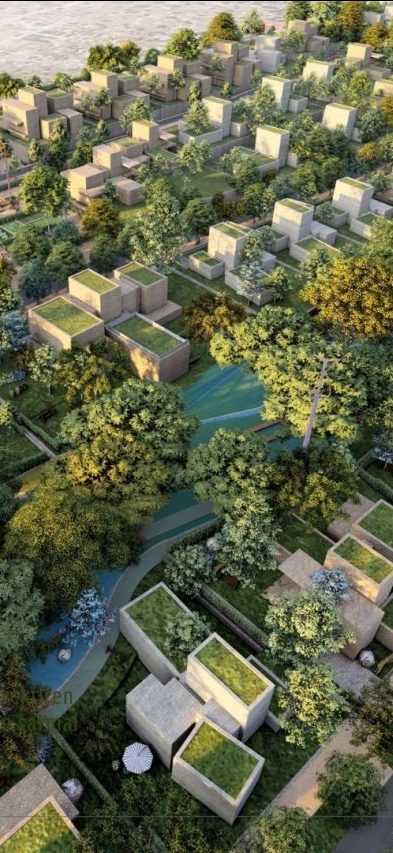
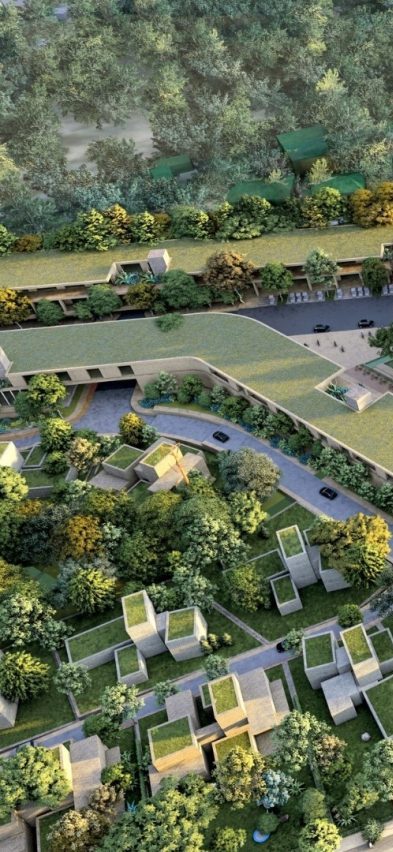
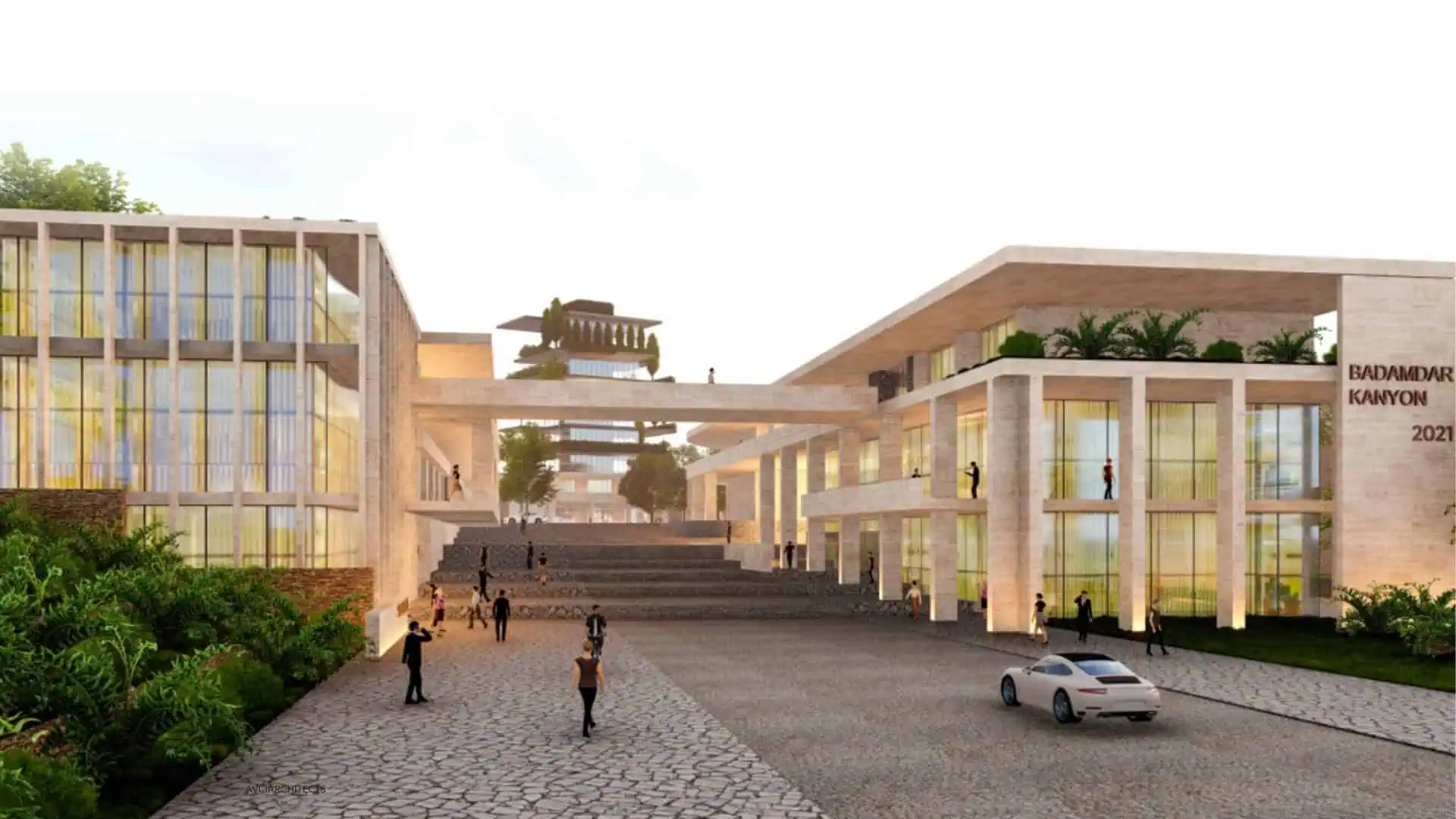
Badamdar Kanyon is a future-forward district in Baku that reimagines urban living through ecological design, slow mobility, and modular housing. Structured around a central valley and marketplace, the project integrates townhouses, villas, gardens, and renewable energy systems into a living, breathing cityscape.
Project Detail
Client
Hüner Group
Sector
Residential, Master Planning, Mixed-Use
Status
Unbuilt
Discipline
Architecture, Urban Design, Sustainable Design
Area
212,150 m²
Scope
Masterplanning, Architecture, Landscape, Sustainability Systems









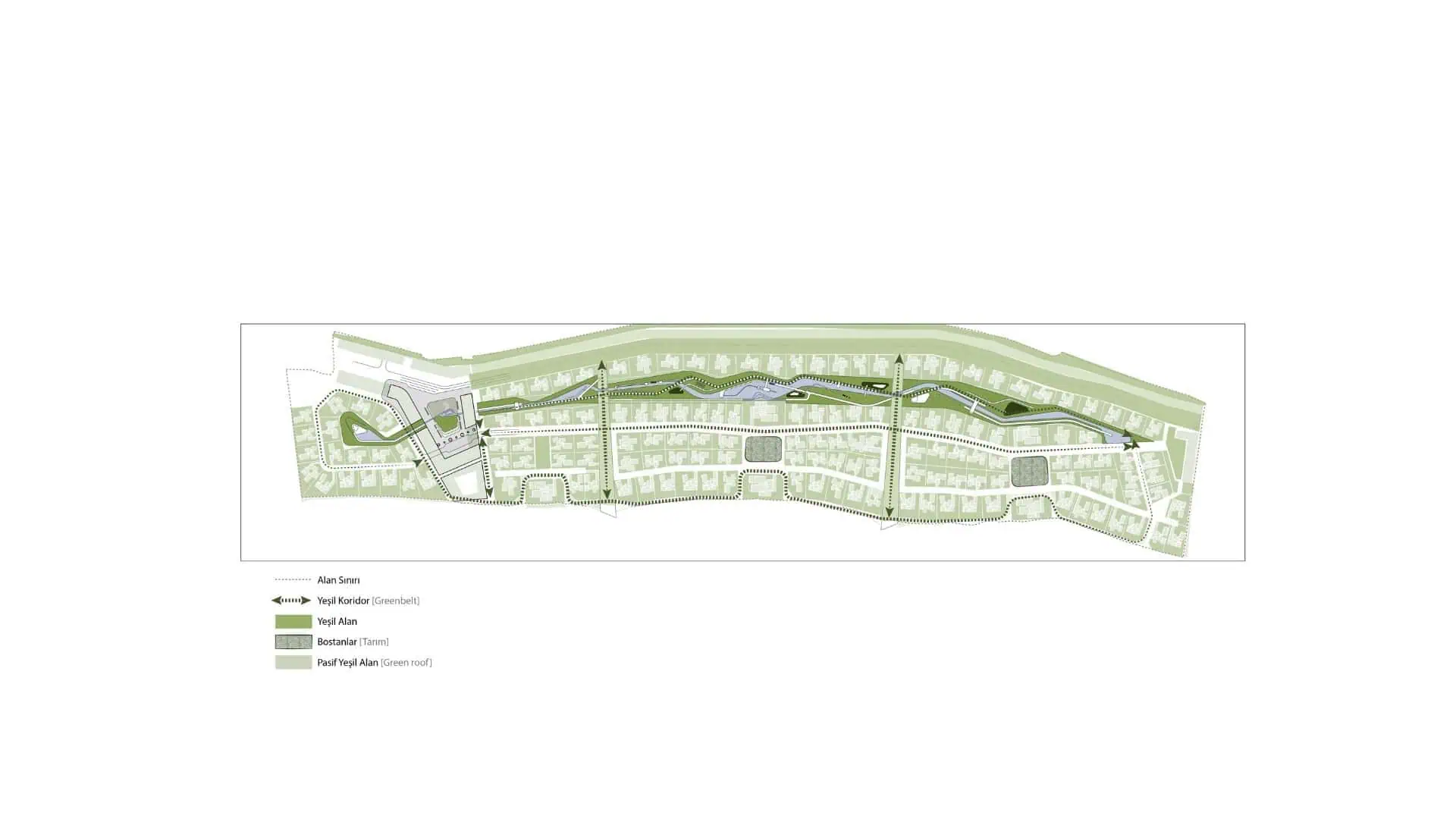
2021
Set between Baku’s cliffs and coastal winds, Badamdar Kanyon offers more than housing—it envisions a 21st-century way of living, rooted in landscape, climate, and community-driven resilience.
What If a City Could Grow Like a Garden?
At the edge of Baku’s urban fabric, nestled between cliffs and sea winds, Badamdar Kanyon proposes a provocative question: “What would it be like to live here — not just to reside, but to thrive?” This is not just a housing development. It is a 21st-century neighborhood vision, where architecture is shaped by topography, wind, water, and memory — and where living means staying close to food, shade, community, and self-reliance.
A New Kind of Neighborhood — Where the City Breathes Like a Garden.
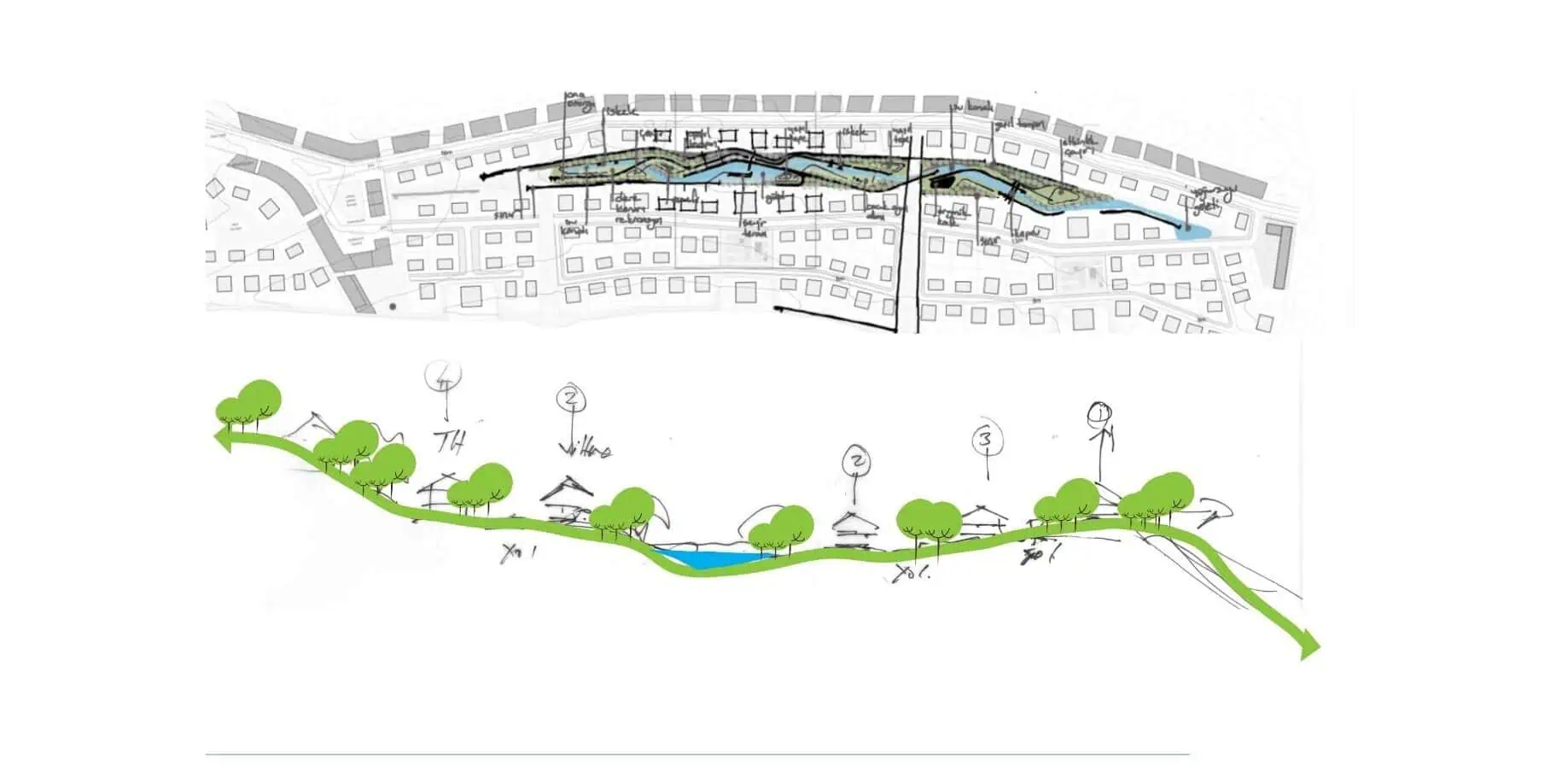
Diagramming the Vision
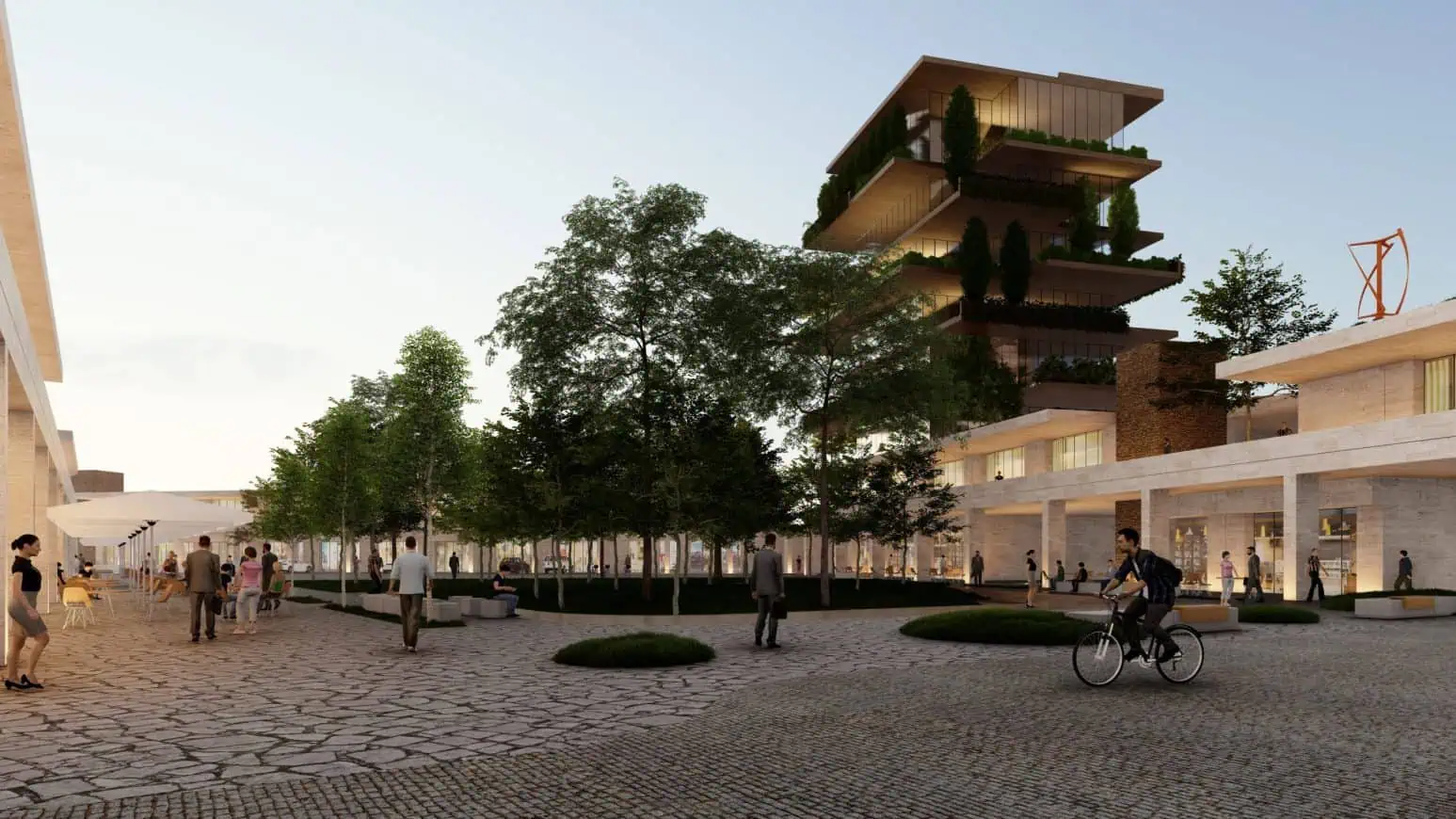
A Garden City, Rooted in Culture
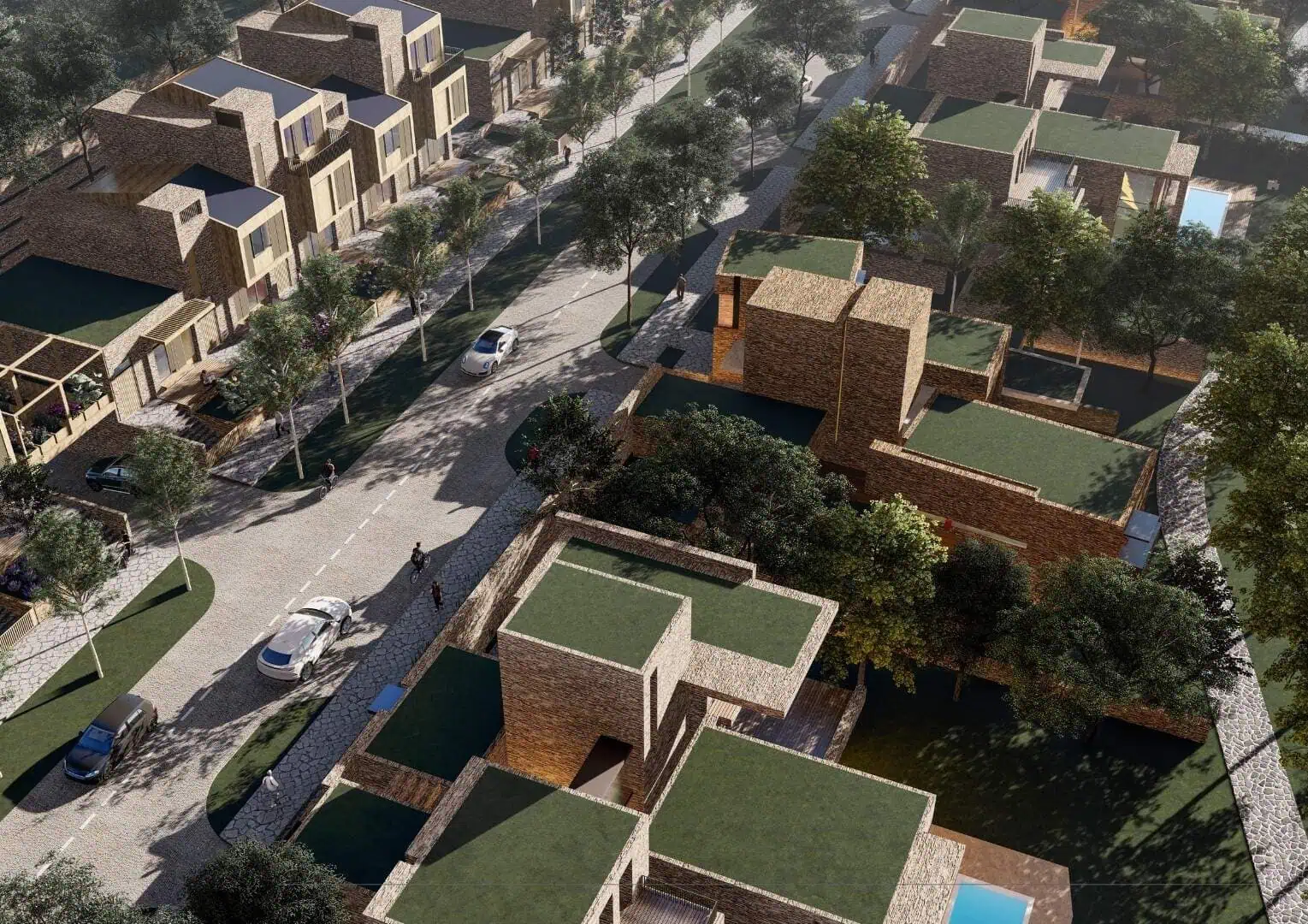
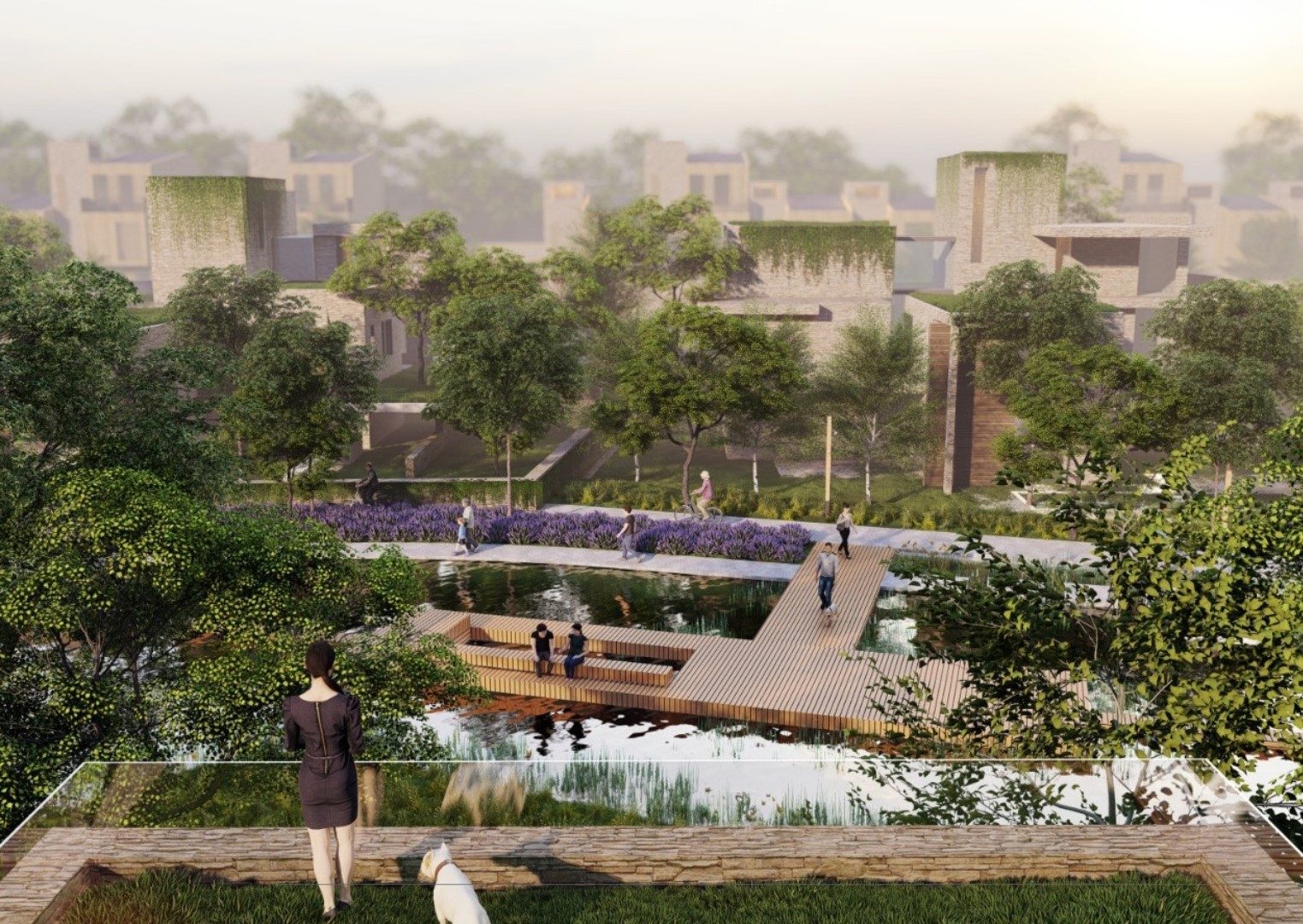
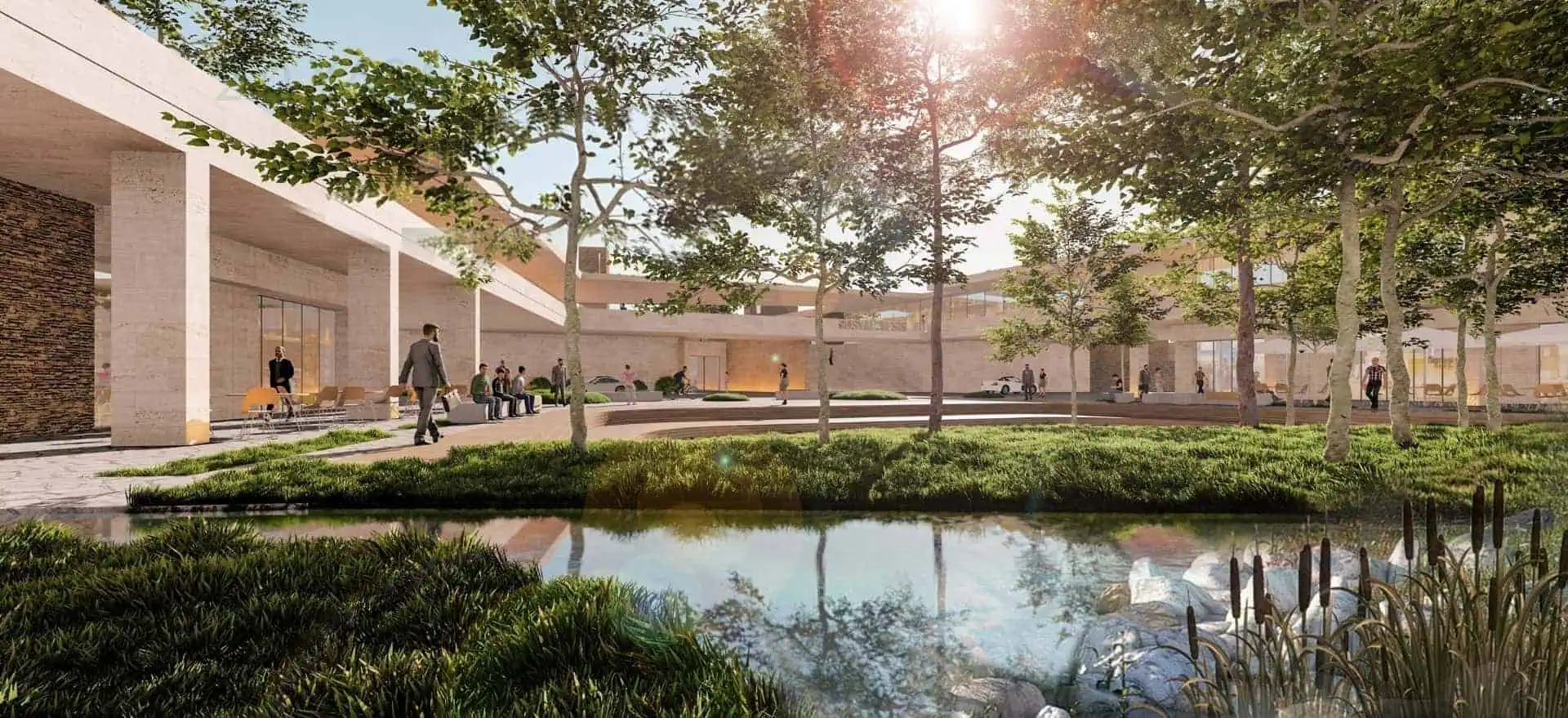
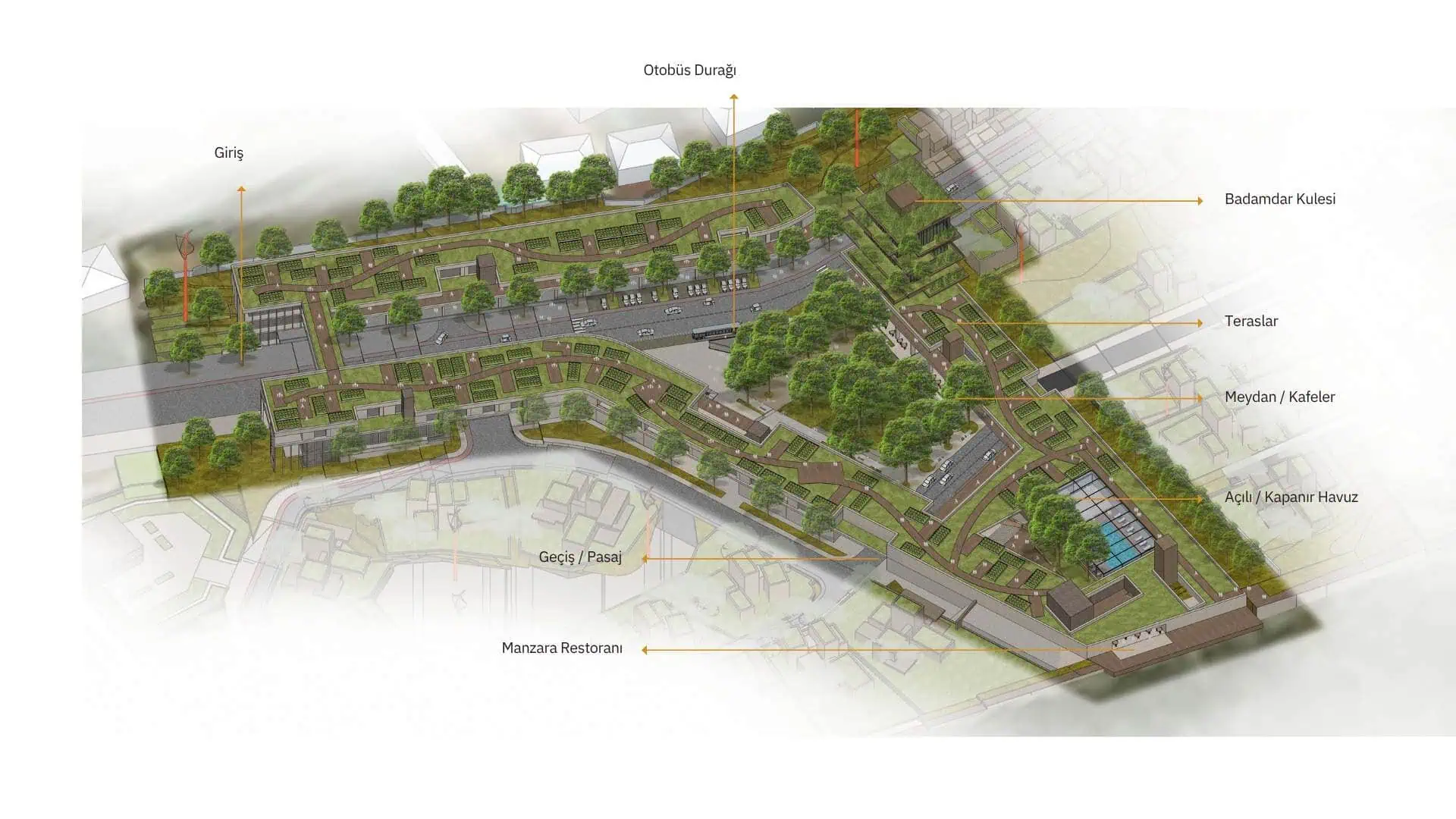
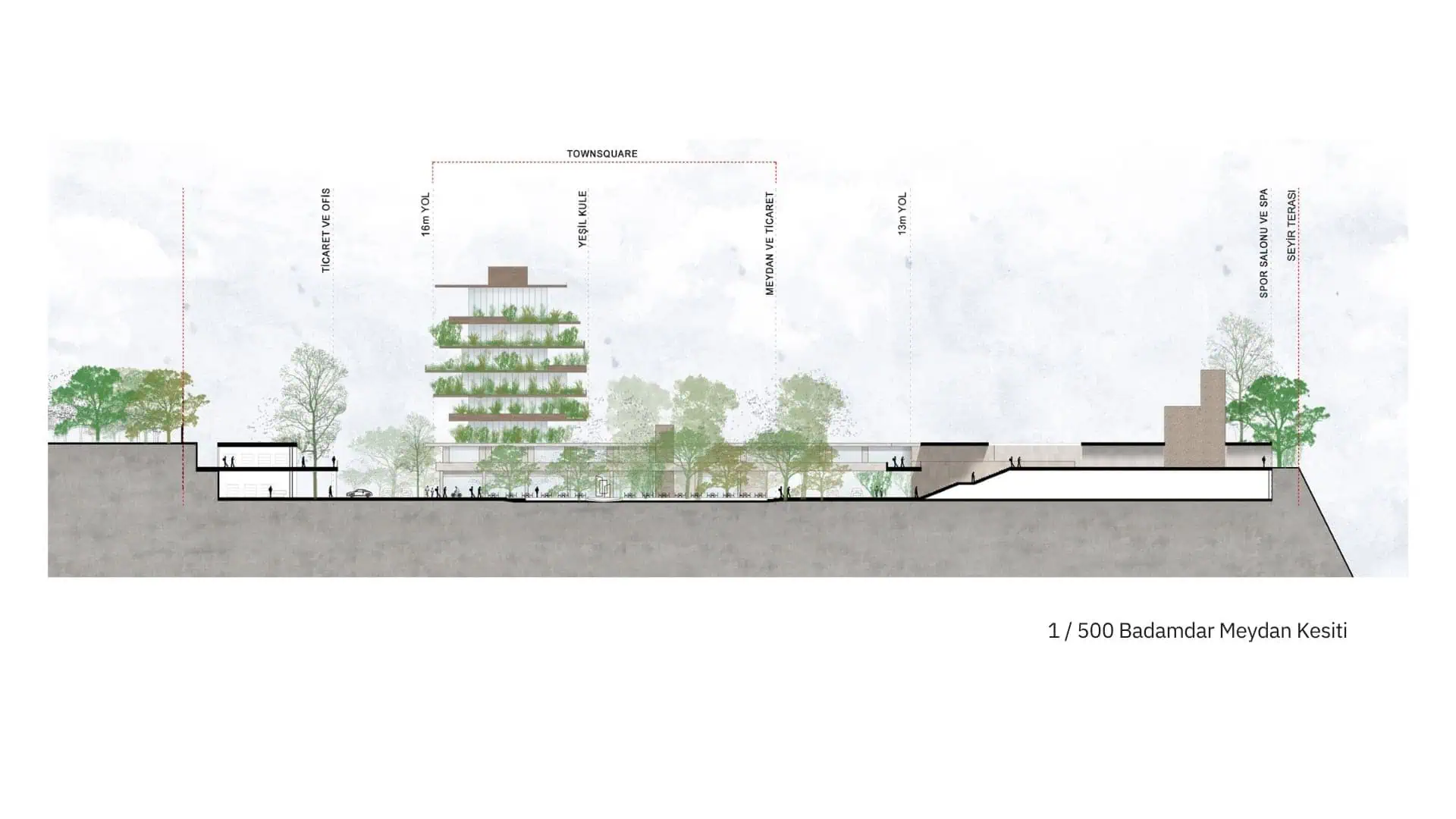
Inspired by both Azerbaijan’s old city textures and European hill towns, Badamdar Kanyon blends: Modular villas and townhouses arranged along pedestrian axes, A vibrant market square framed by cafes, studios, and rooftop gardens, A central park valley (Yeşil Vadi) with bioswales, terraces, orchards, and sport areas, Sustainable transit systems: golf carts, electric minibuses, walkable distances, A grid of neighborhood units, each designed around a 5-minute walking radius.

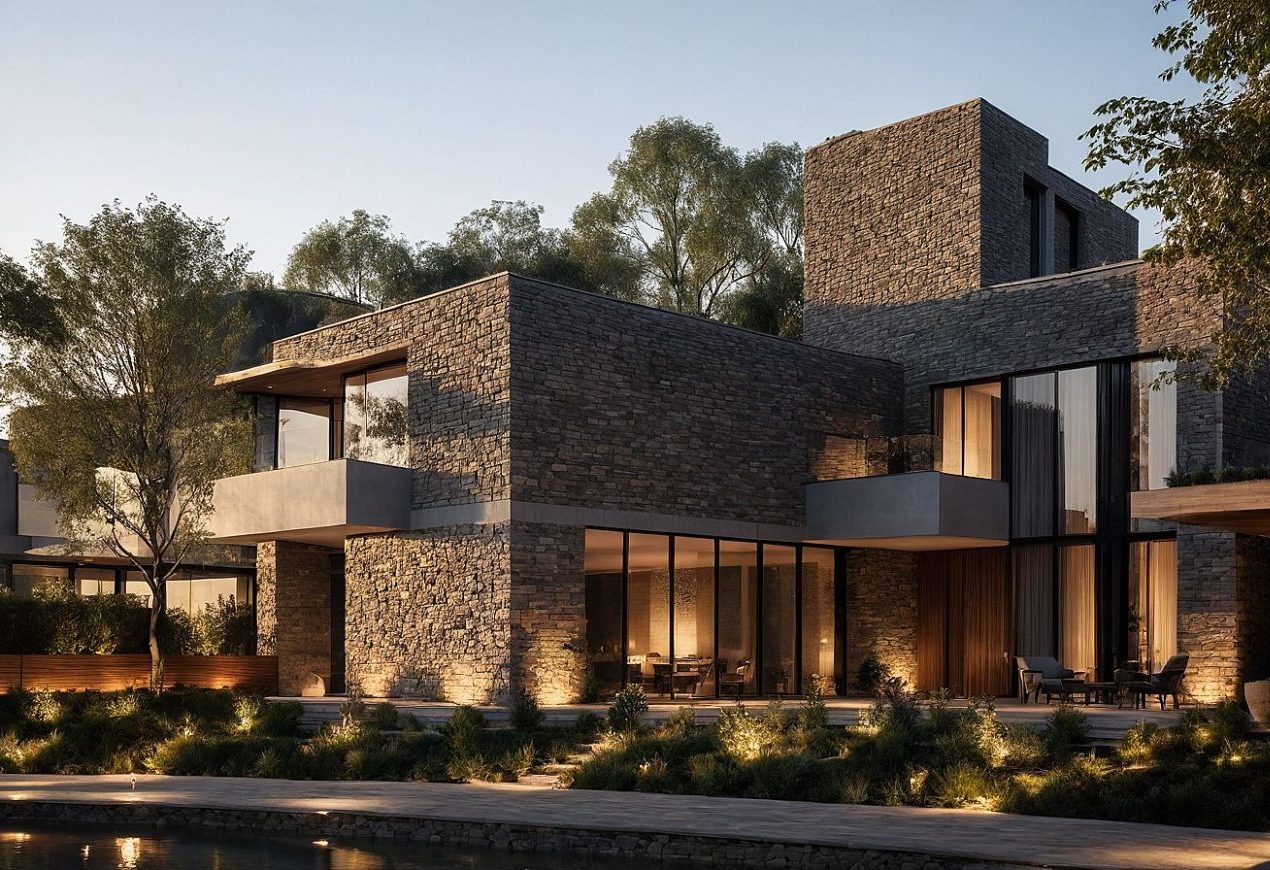
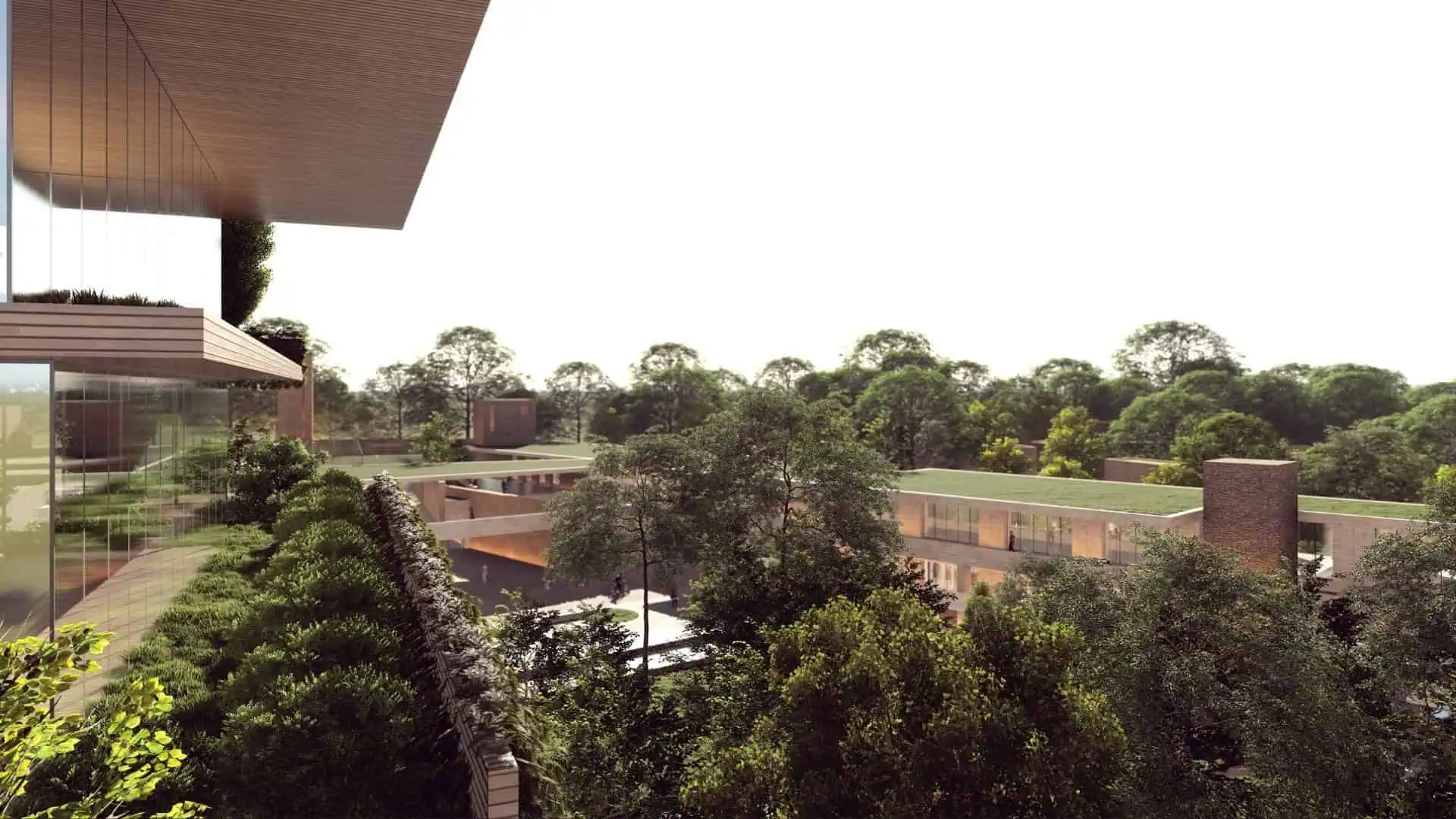
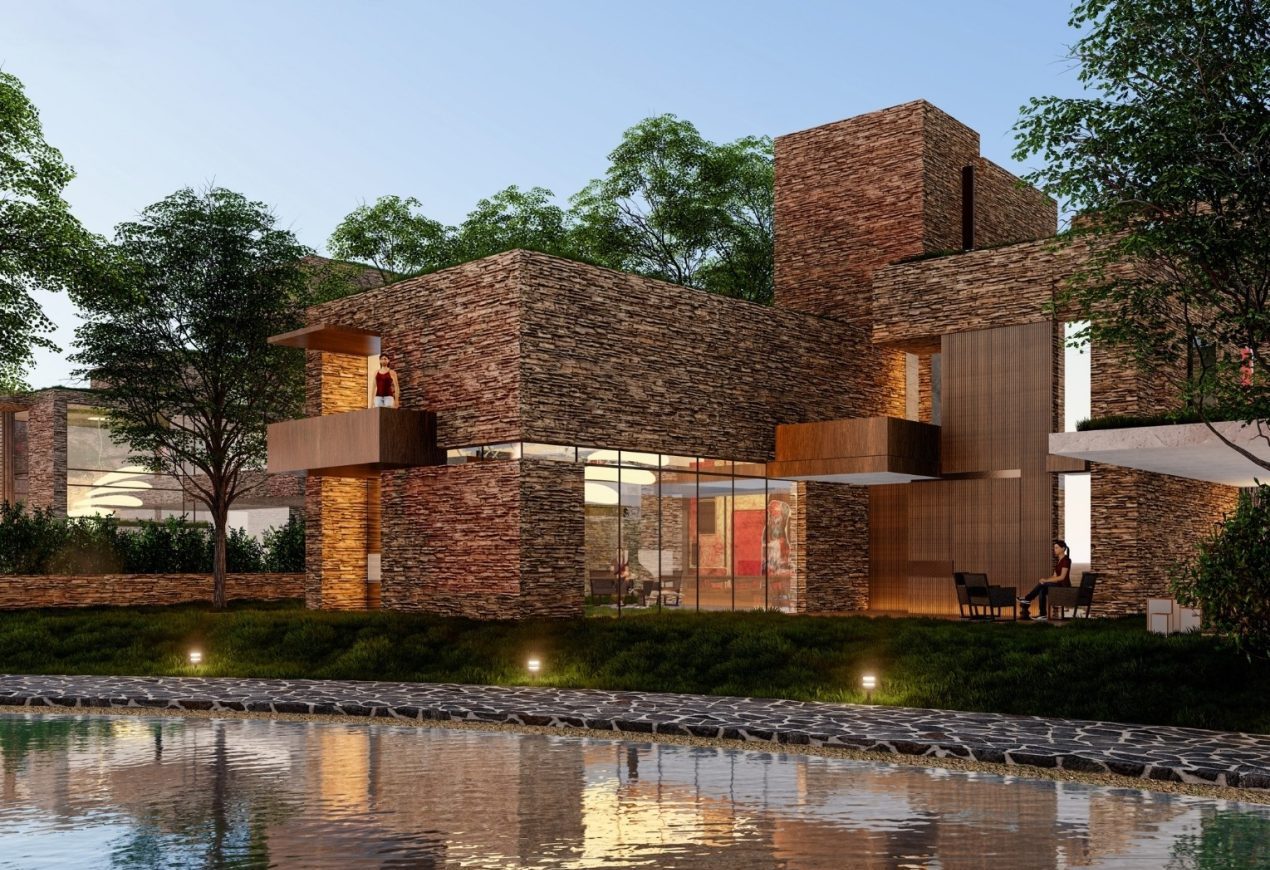
Blending into the terrain, the architecture combines passive design, natural materials, and modular living—culminating in a distinct yet understated sense of place.
Architecture That Belongs to Its Land
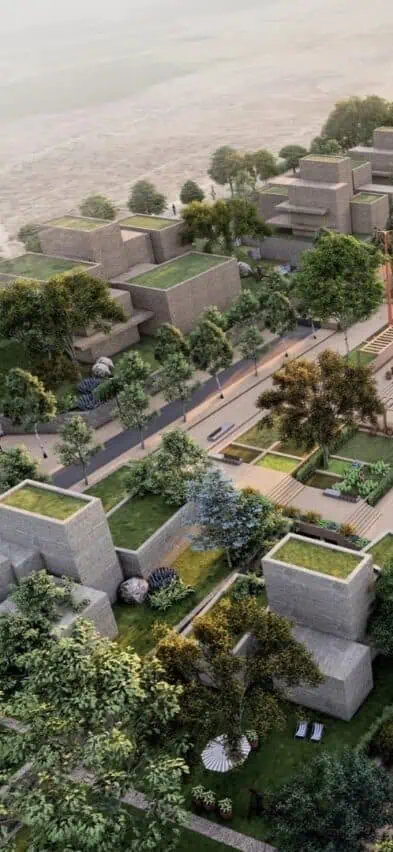
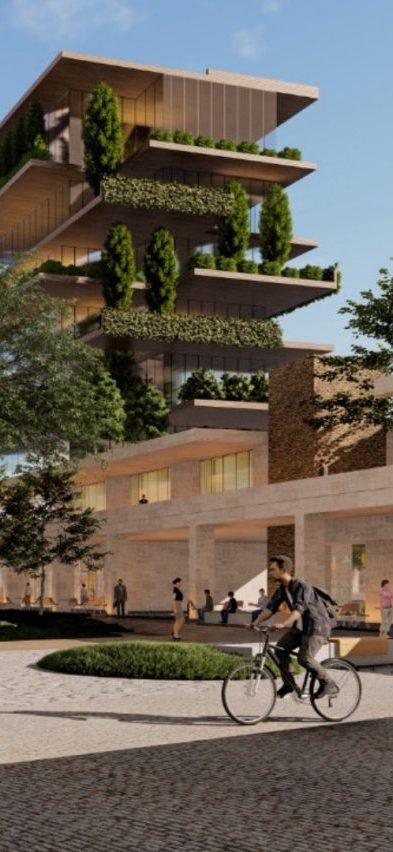
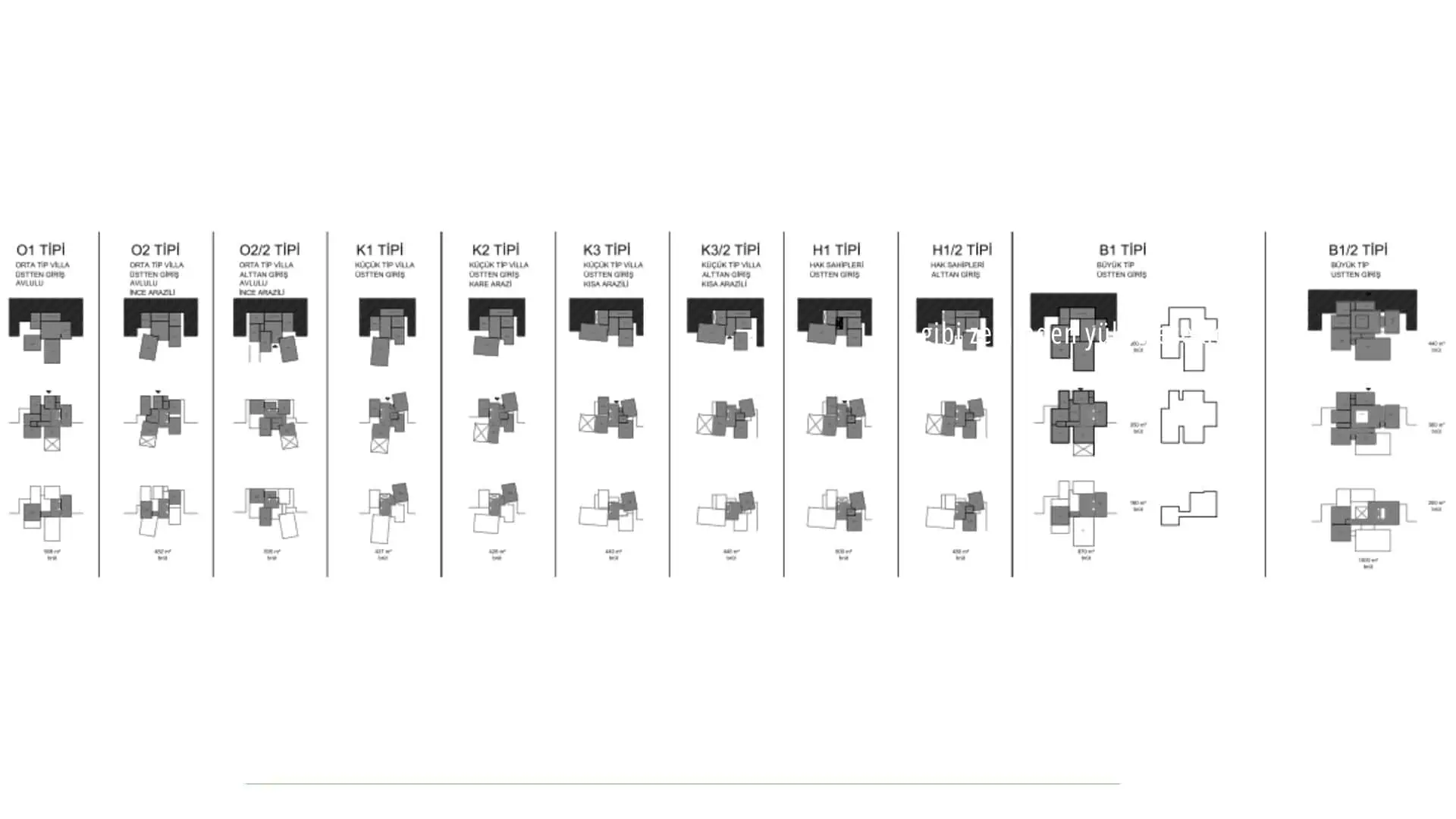
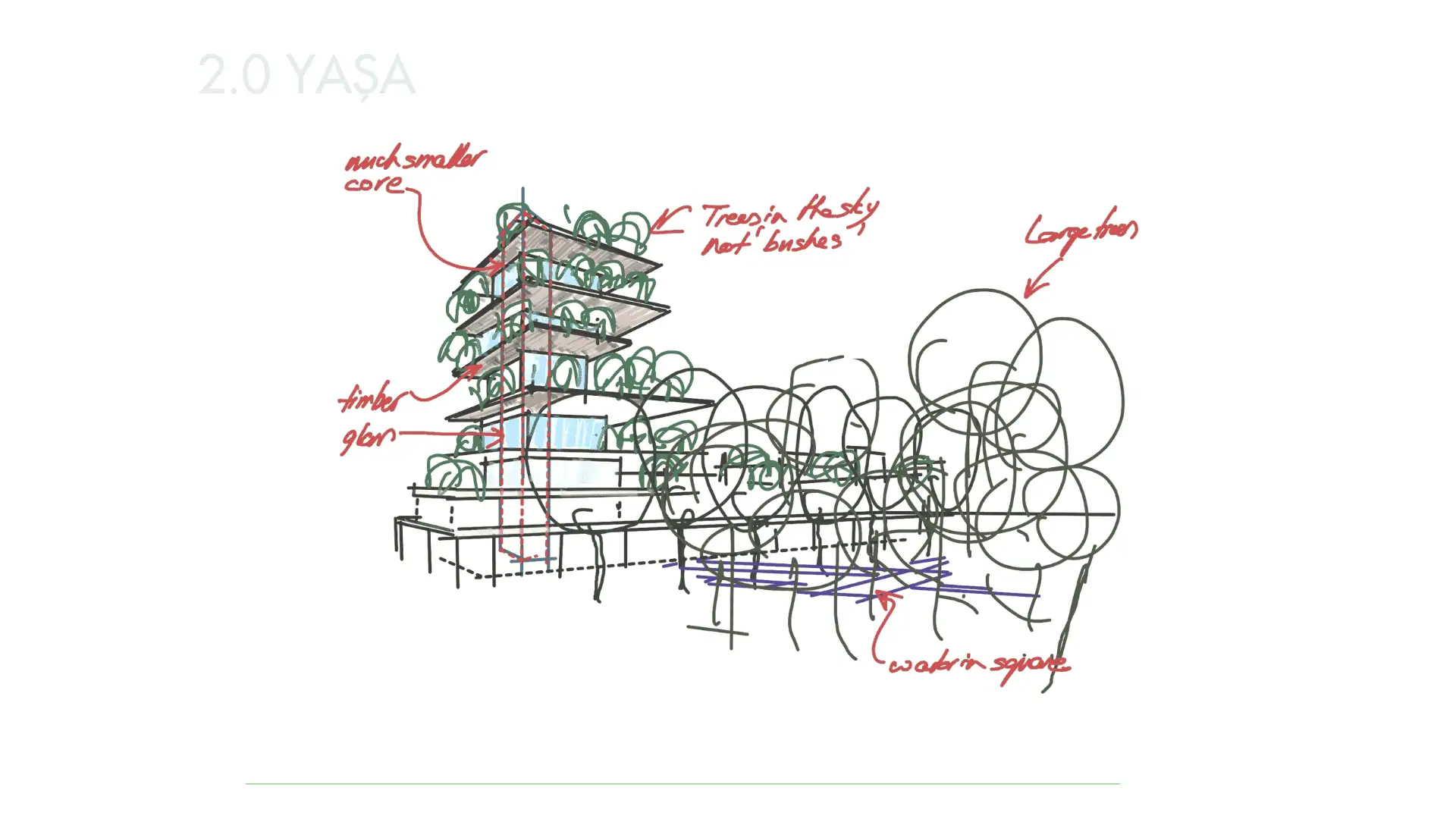
Homes and public spaces rise as if carved from the terrain: Villas mimic the slope with stone bases and green roofs, Townhouses vary in size — from 1+1 to 3+1 — with private gardens and wind towers, All units feature passive cooling systems, solar access, and flexible modularity, Materials include climate-treated wood, lime plaster, and local stone, A proposed timber tower stands as a bold landmark and sustainable icon. The architecture speaks softly — but it resonates deeply with place.
In Badamdar, the city doesn’t dominate nature — it grows with it.
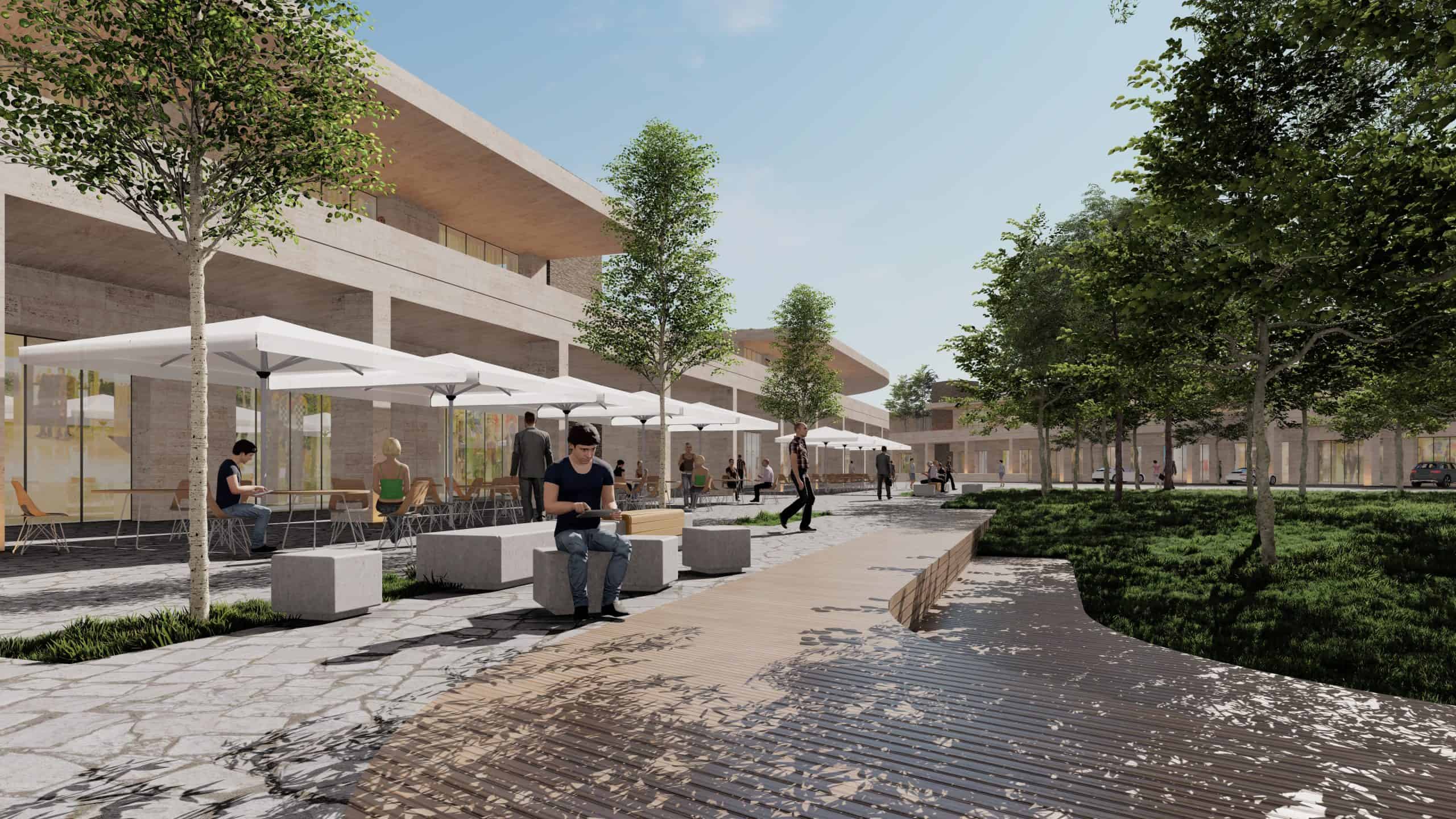
Badamdar functions as a resilient micro-city—where local food systems, shared infrastructure, and passive design come together in a self-sufficient, creative community.
A New Economy of Living
Badamdar is designed as a self-sufficient, circular system: Local produce from community gardens is sold in the weekly Bazaar Square ; Public art, craft studios, co-working spaces bring in creative and remote workers, A culture of shared infrastructure replaces isolated ownership, Wind towers double as ventilation and symbolic markers, Passive housing standards minimize energy demand. This isn’t just a neighborhood. It’s a resilient micro-city, ready for the uncertainties of our time.
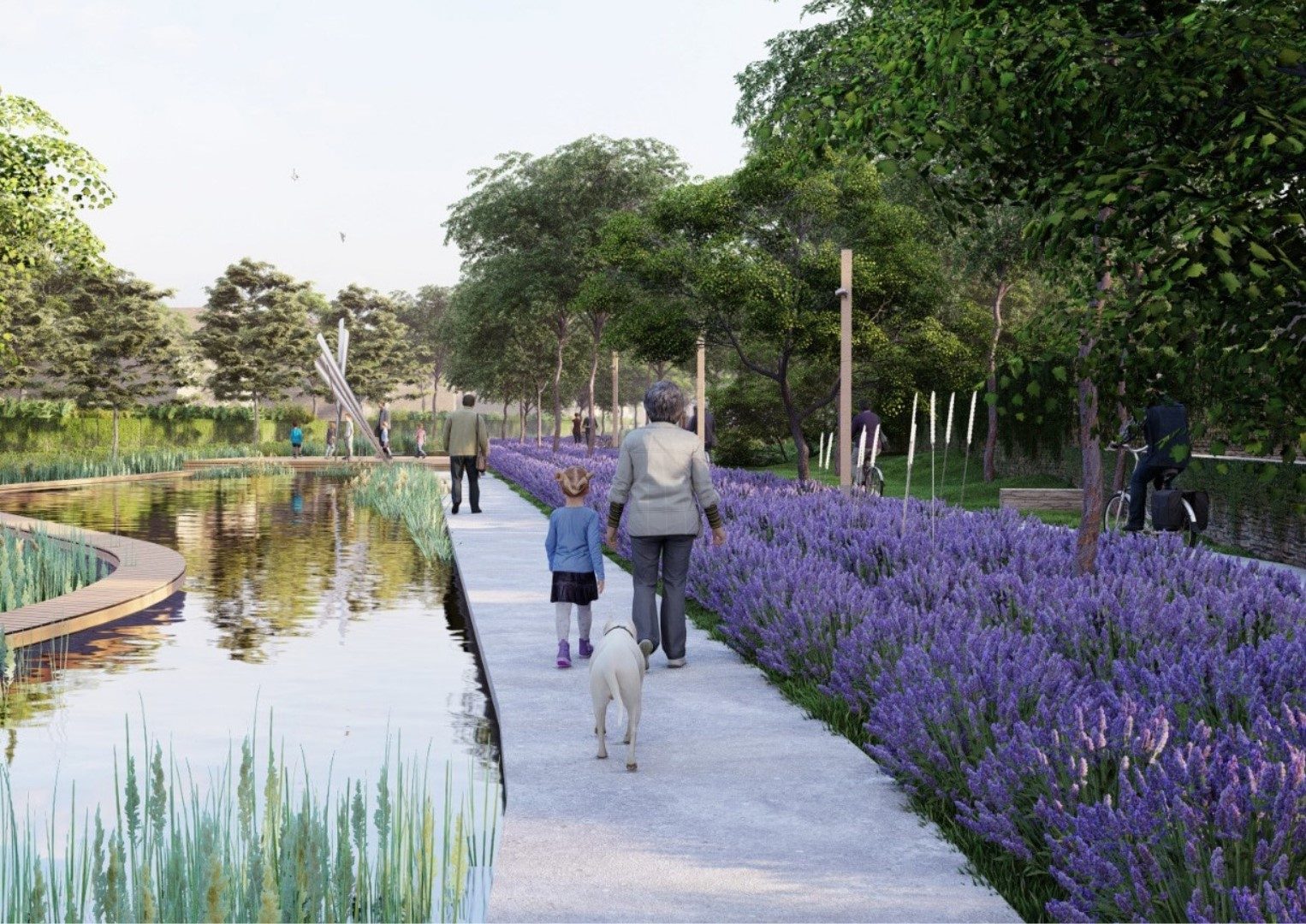
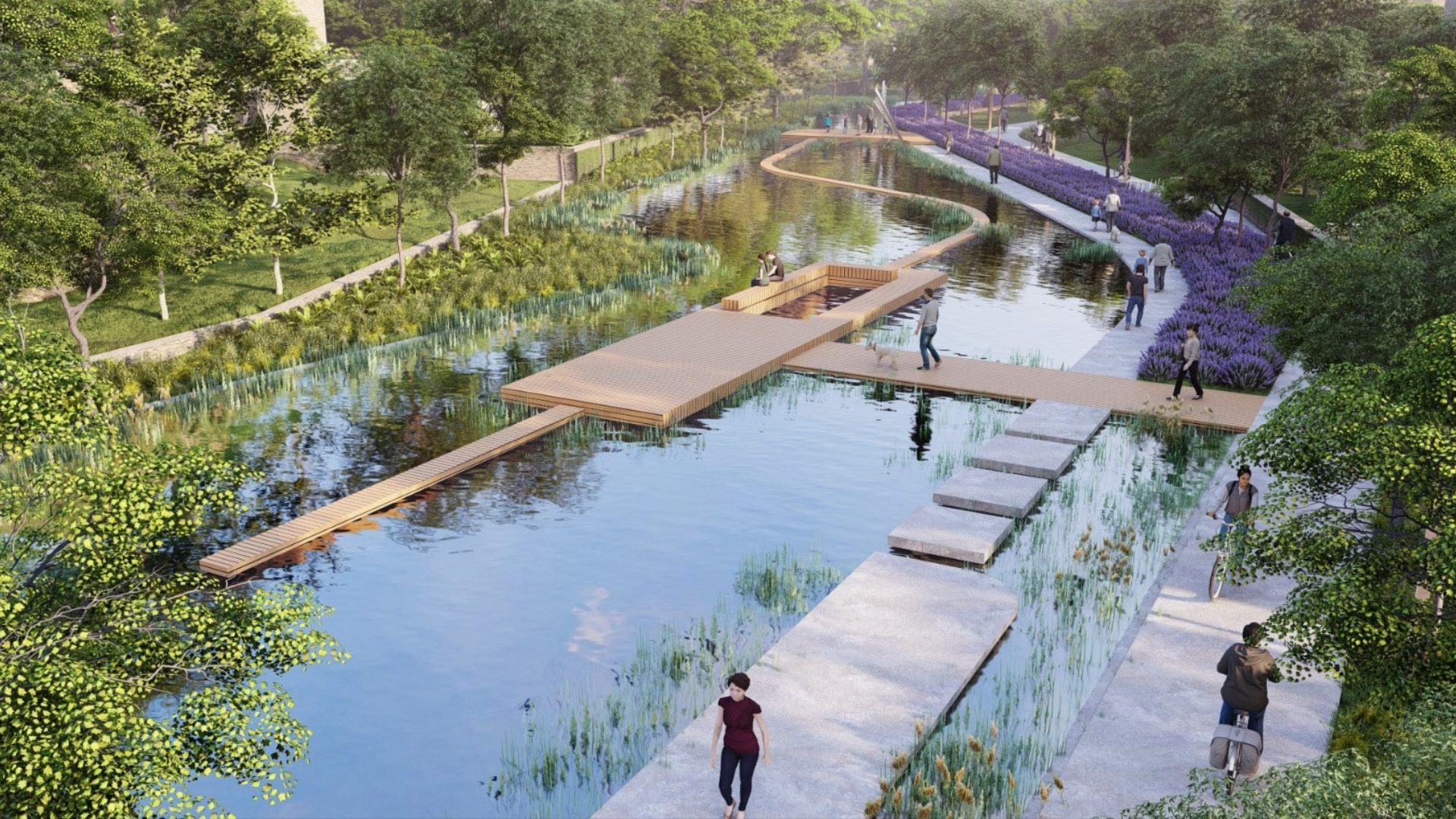
An immersive landscape experience shaped by layered gardens and pedestrian flow.
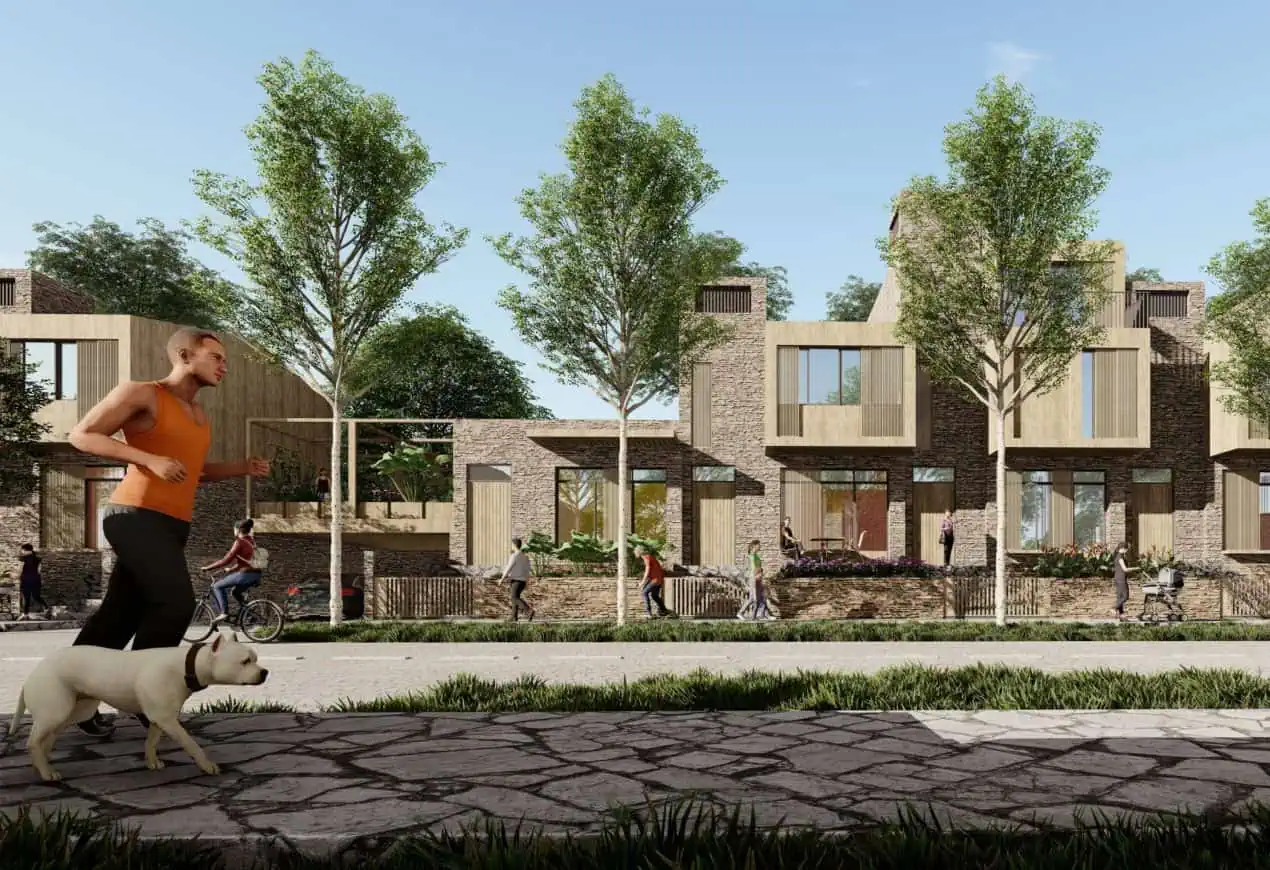
In Badamdar, ecology shapes urban logic—where water, energy, food, and waste systems are integrated into the landscape to create a self-sustaining and climate-responsive environment.
Ecology as Urban Logic
Every design move answers to nature: Bioswales and water terraces collect and redistribute rain, Vegetation bands control strong northern winds, Solar roofs, vertical turbines, and geothermal loops support energy independence, Edible landscapes allow residents to harvest vegetables, herbs, and eggs, Waste management is reimagined with community compost hubs and underground recycling points.
Next project
Gabon International Congress Center
