


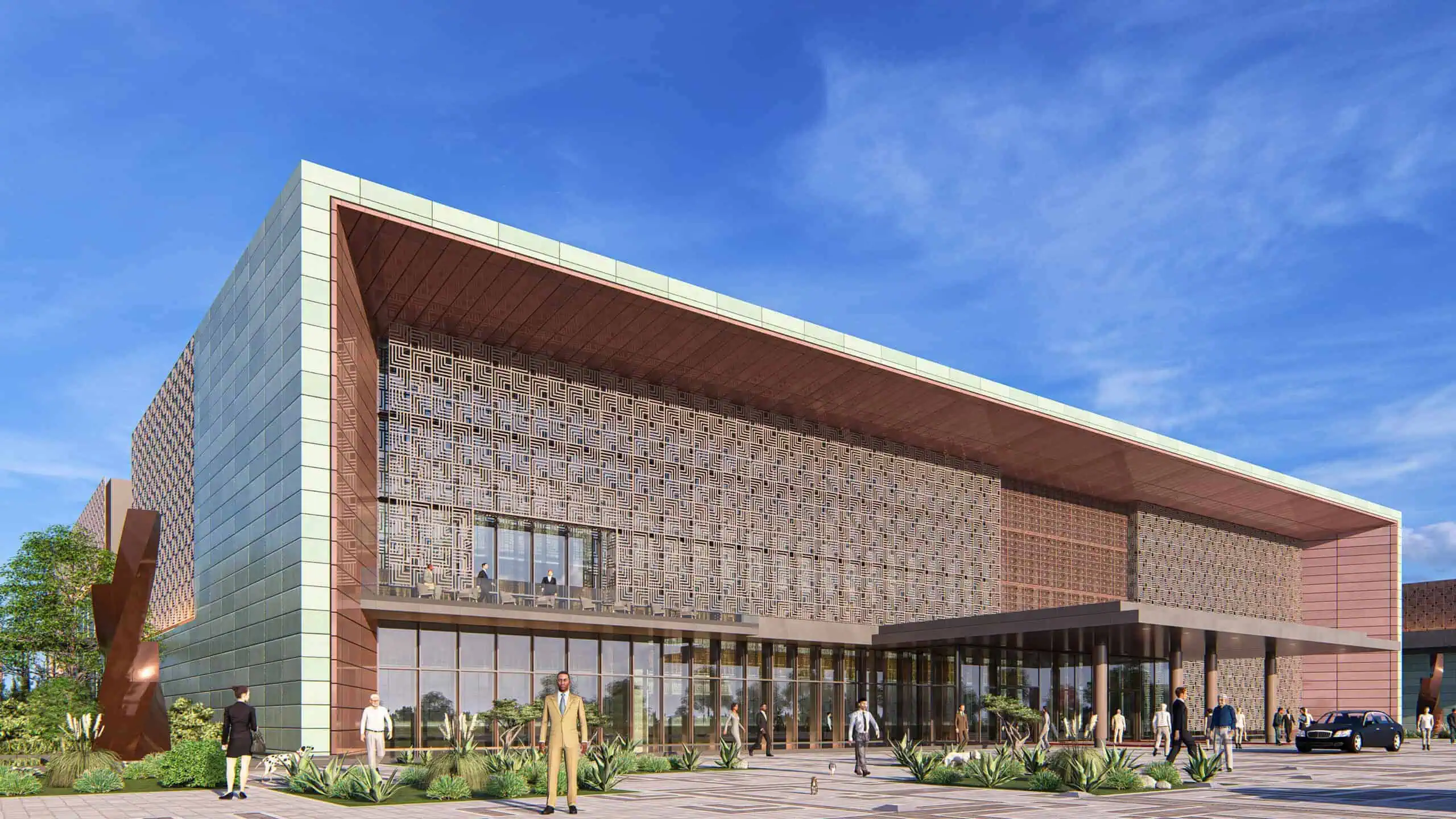
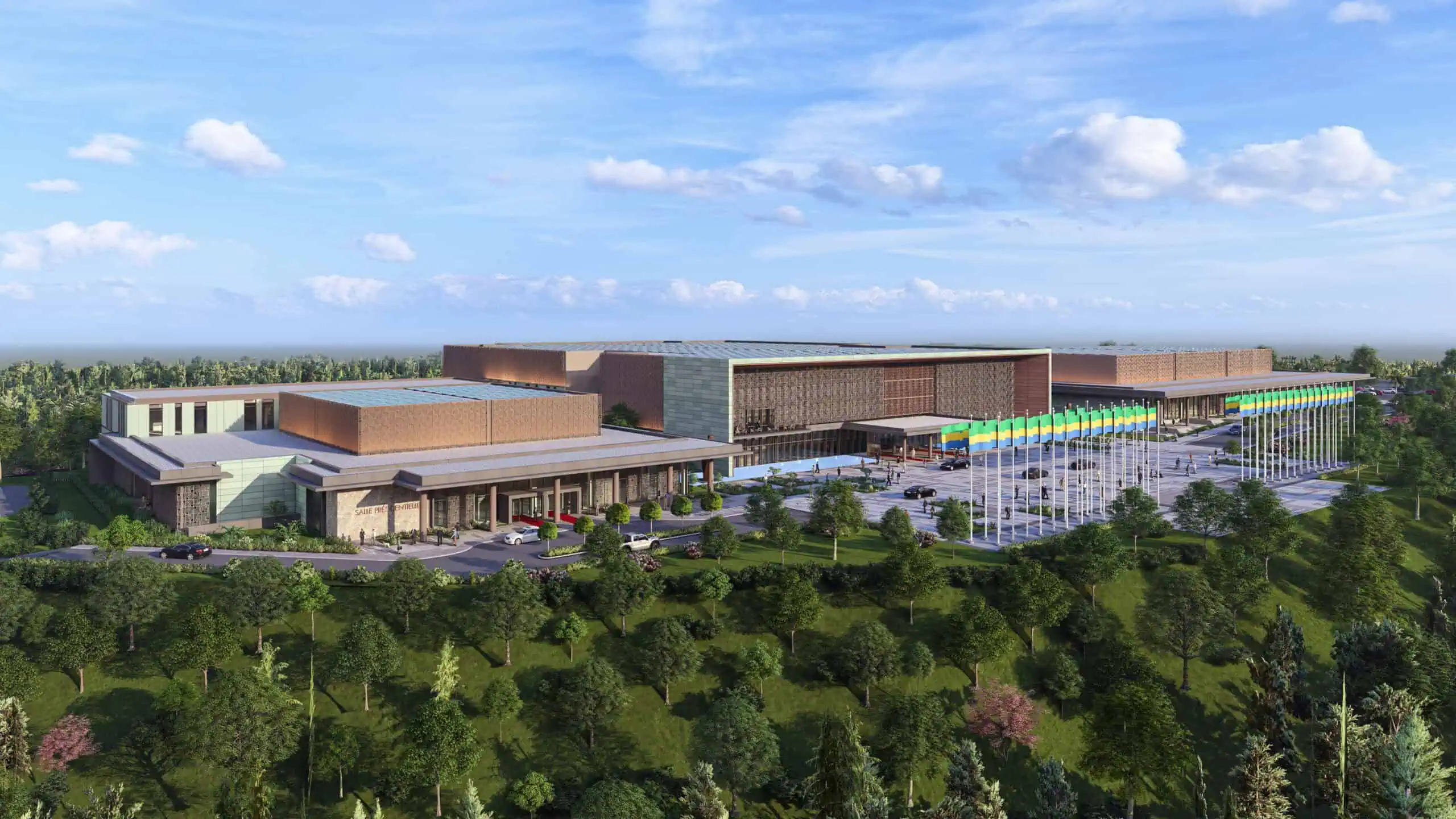
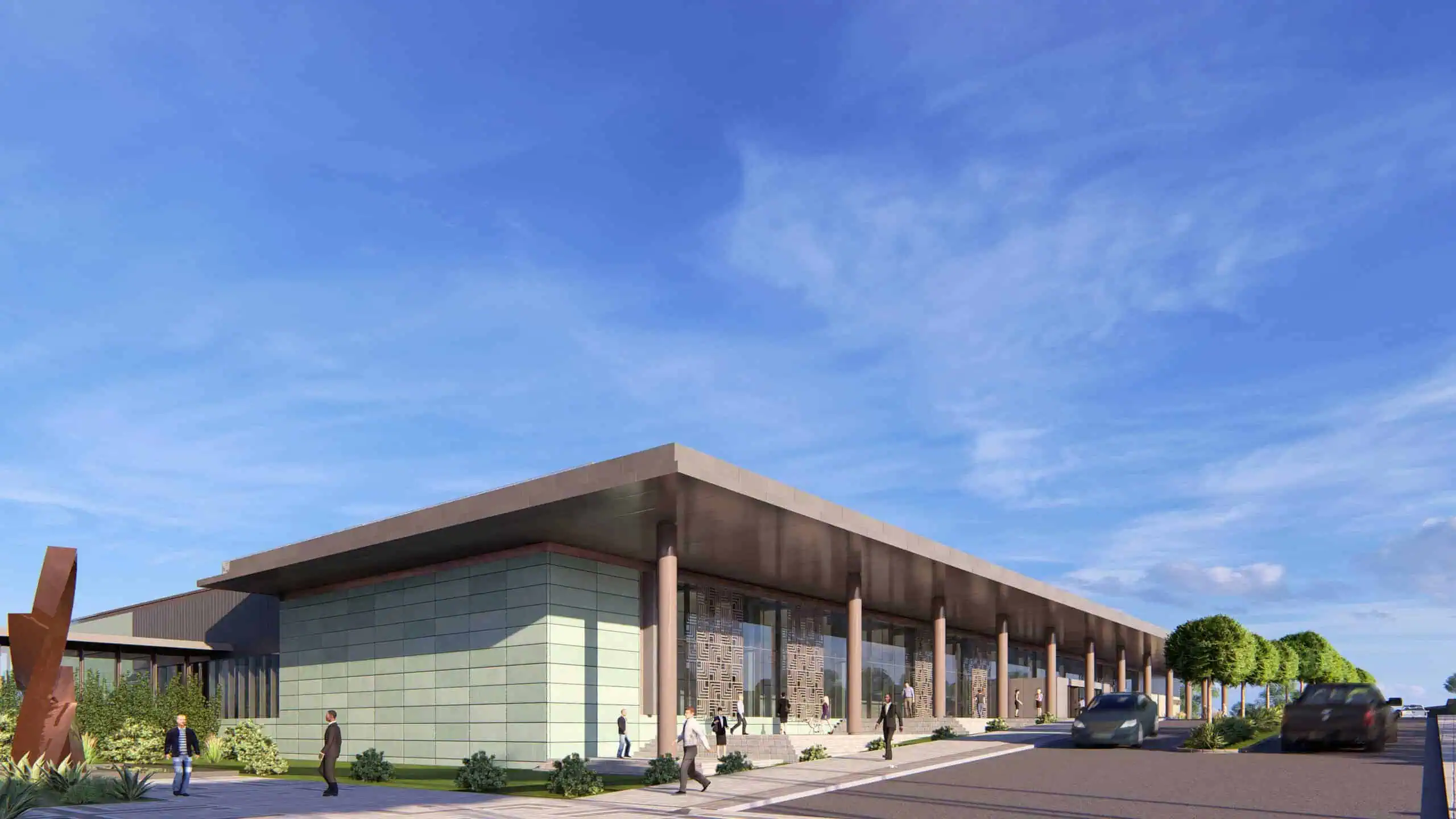
The Libreville International Congress Center, as the civic heart of Gabon’s City of Democracy, is both a landmark of national identity and a symbol of dialogue with the world.

Gabon International Congress Center
Libreville, Gabon
2024
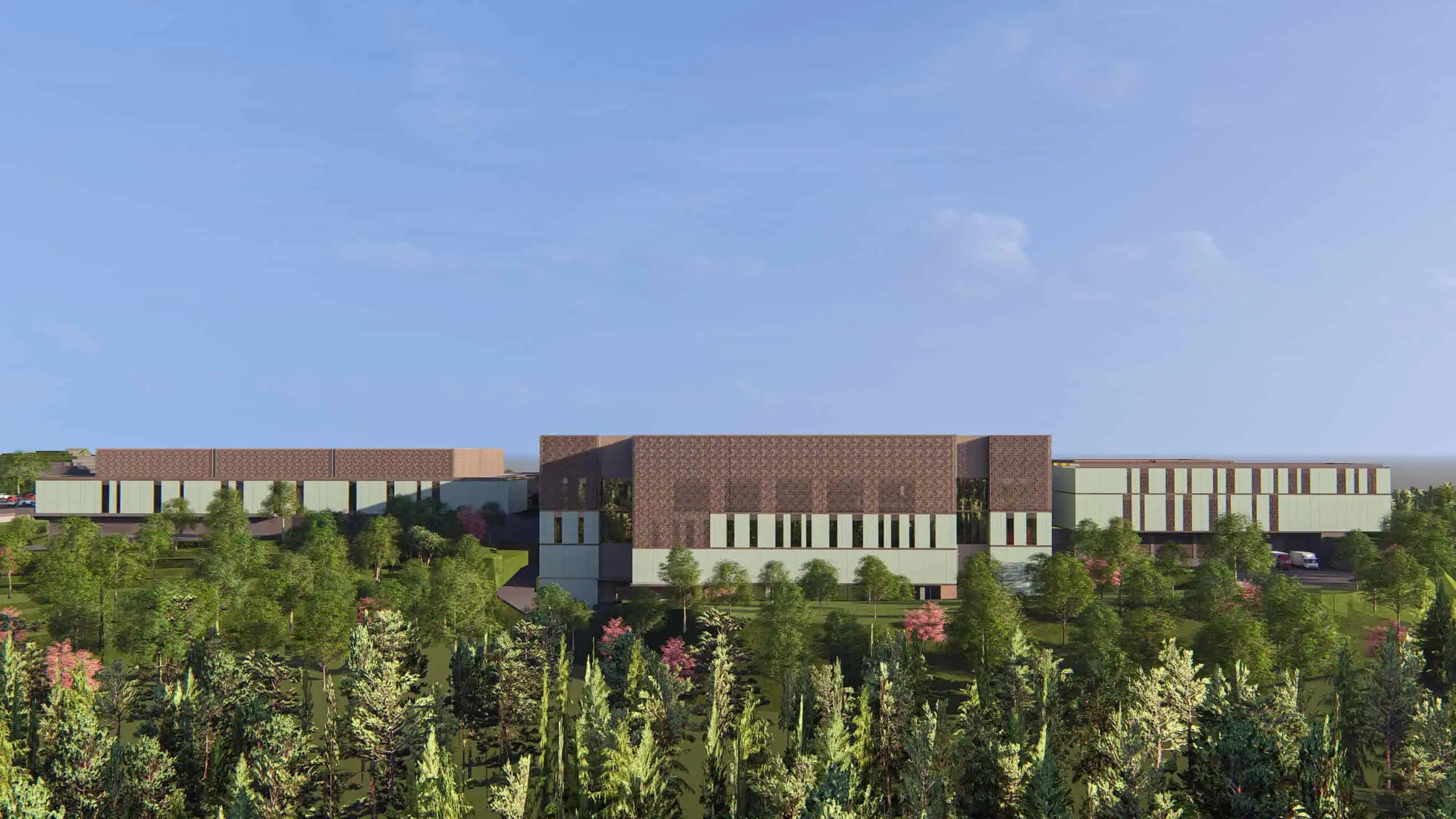
Set atop Libreville’s highest peak, the International Congress Center acts as a contemporary monument to unity, diplomacy, and openness. With sweeping views, a fluid spatial experience, and a monumental piazza, it reimagines what civic architecture means in the 21st century.
Project Detail
Client
Summa
Status
Ongoing
Sector
Civic, Mixed Use
Discipline
Architecture, Interior Design
Landscape Design
Skab
2024
The Architecture of Representation
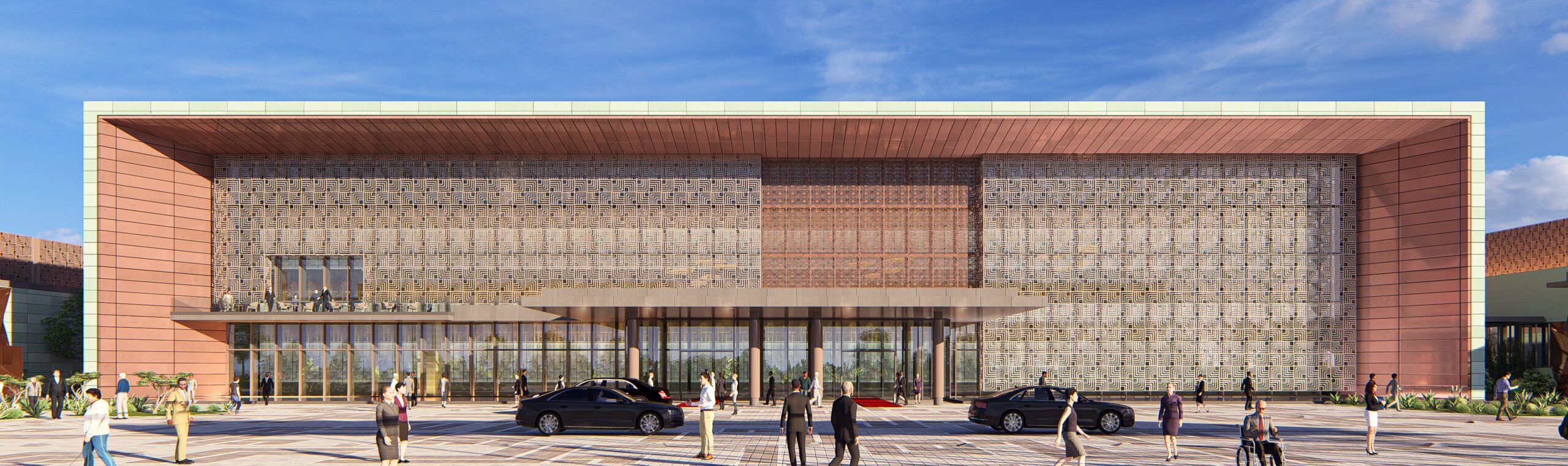
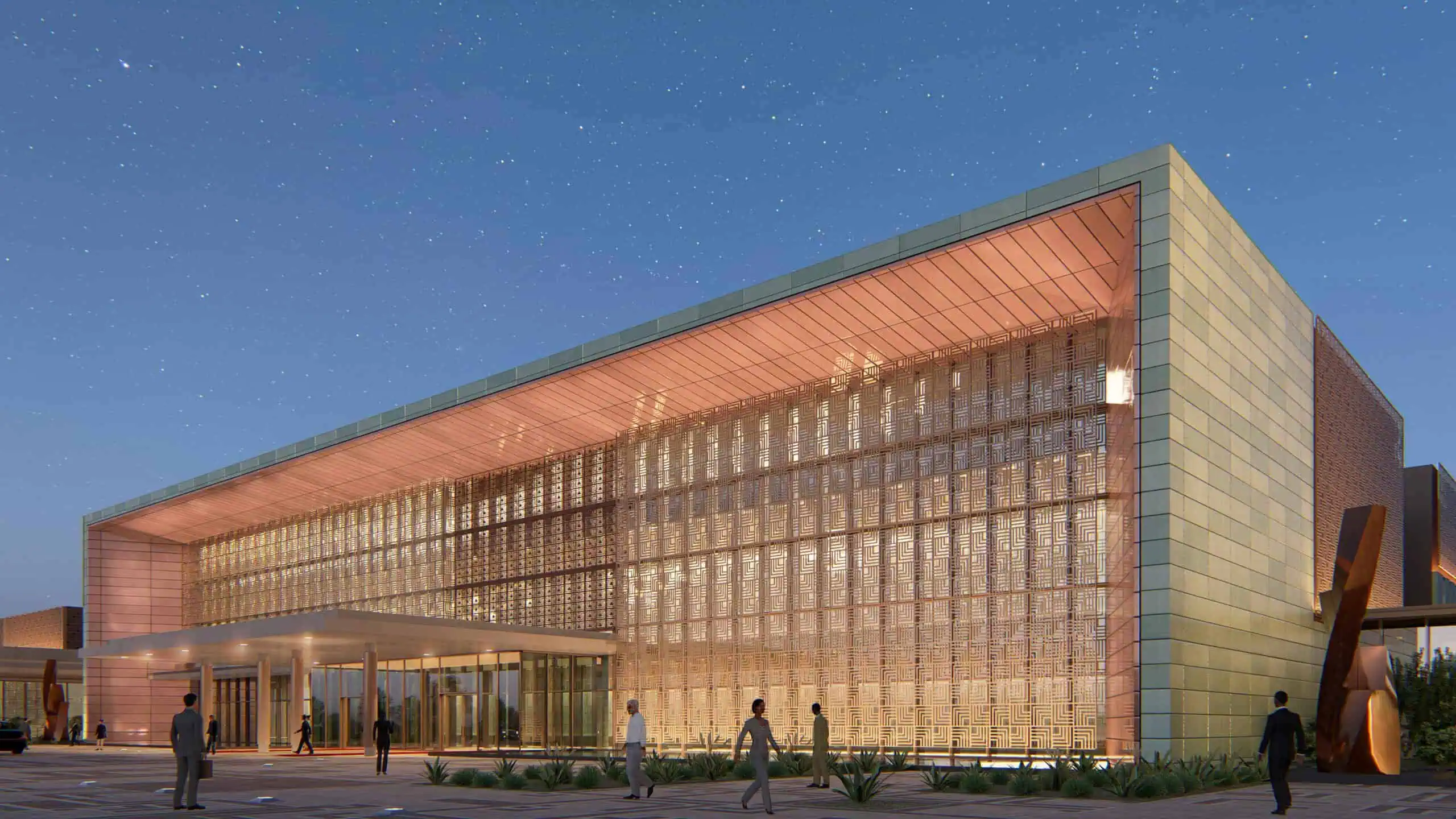
The Libreville International Congress Center is the civic heart of Gabon’s City of Democracy, conceived as its most visible and complex landmark. More than a structure, it is a stage where national identity is performed through light, proportion, and procession. It embodies democracy, hospitality, and cultural confidence while anchoring government, diplomacy, and community facilities.
A Civic Stage for the World — Designed for Dialogue, Defined by Dignity.
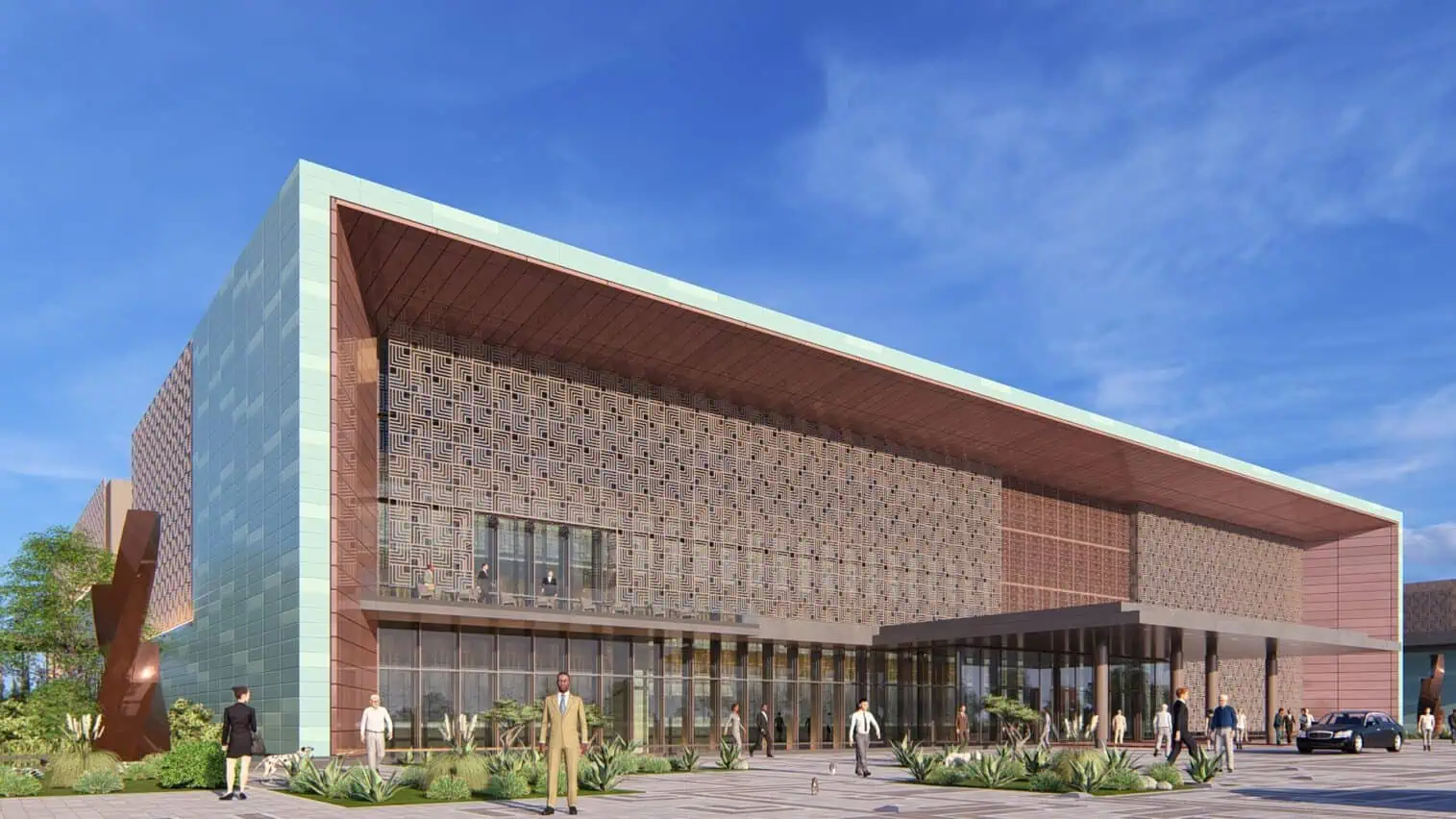
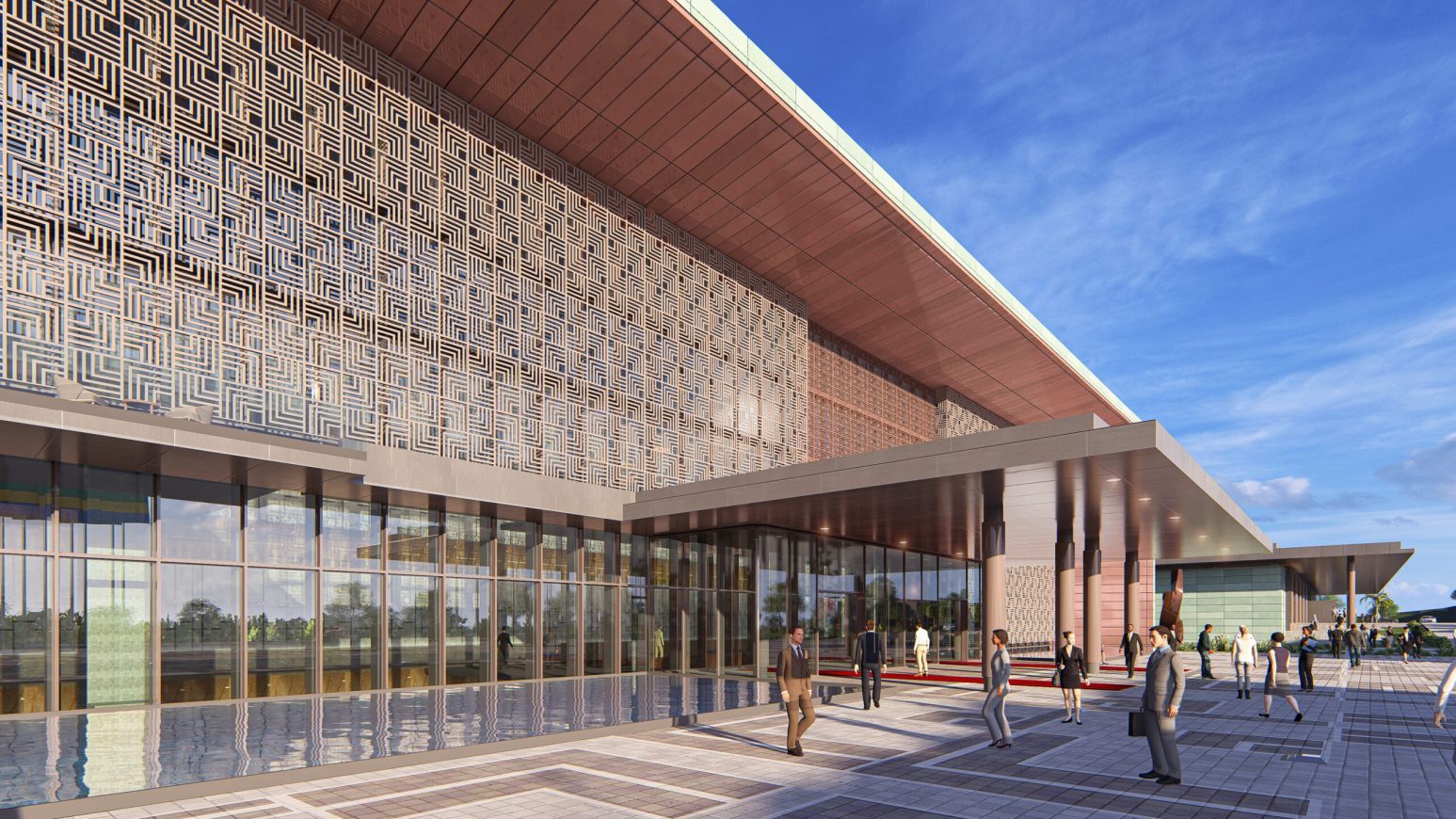
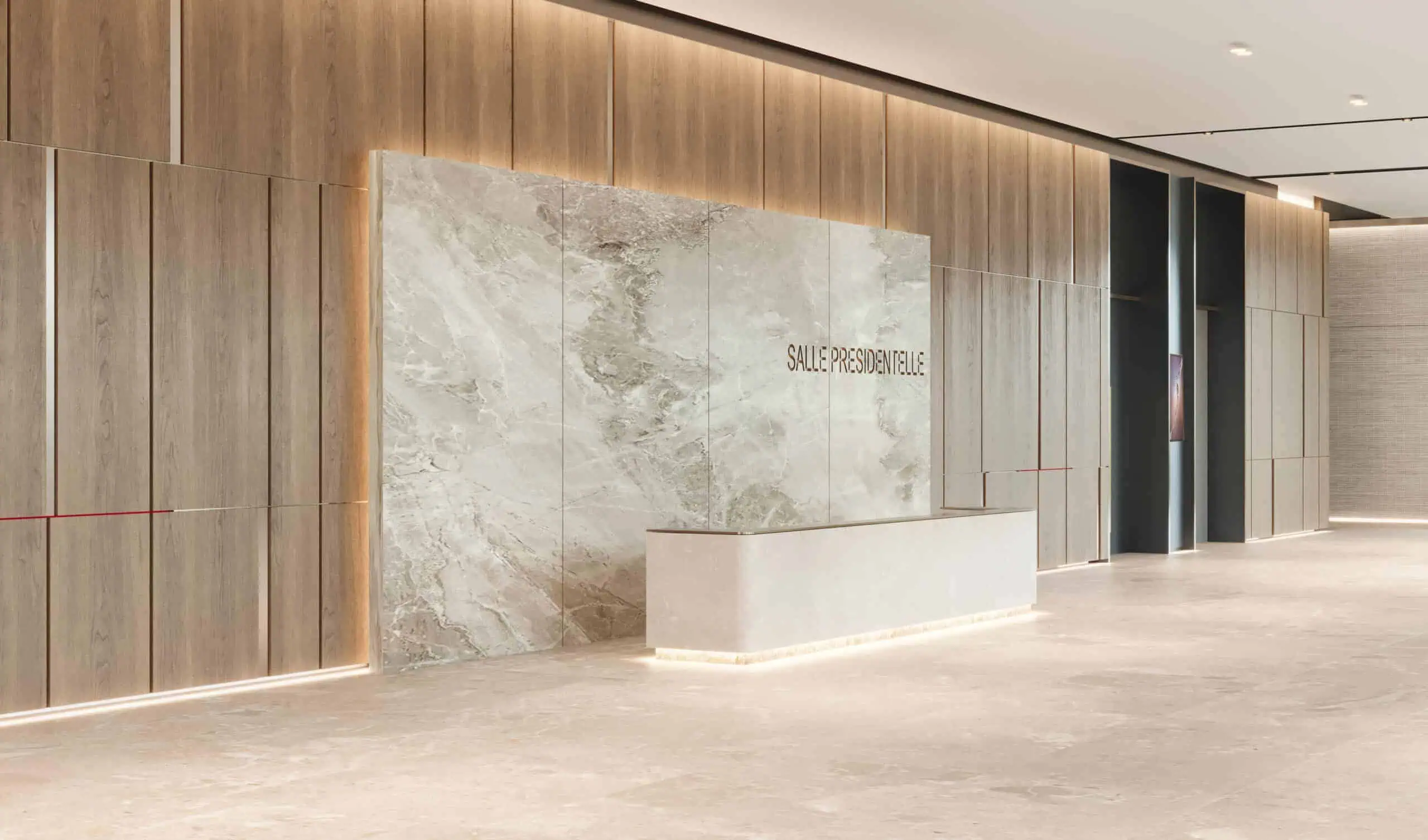
Crafted details revealing texture, materiality, and precision.
A Geometry of Gathering: Layers of Function, Layers of Meaning
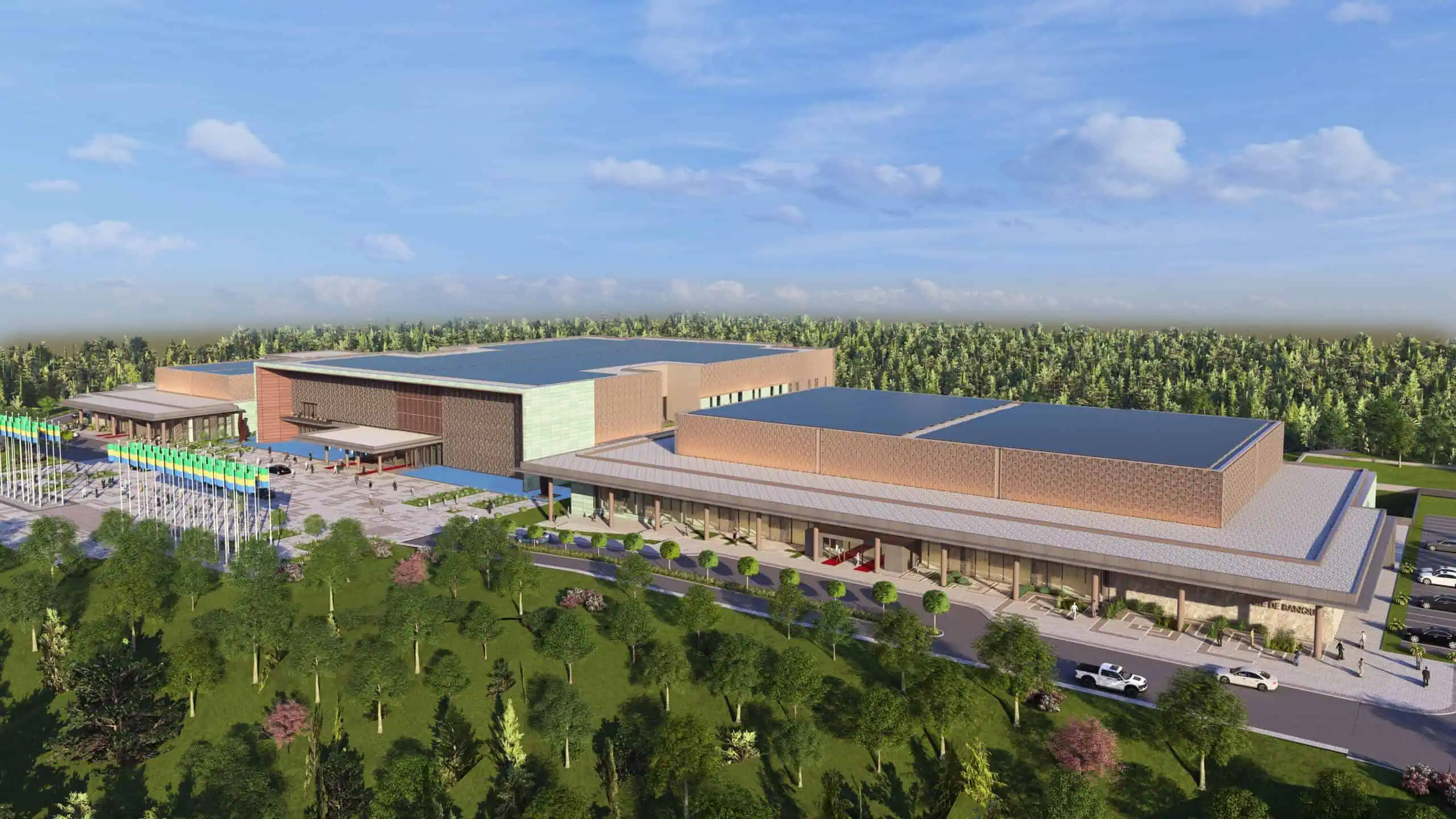
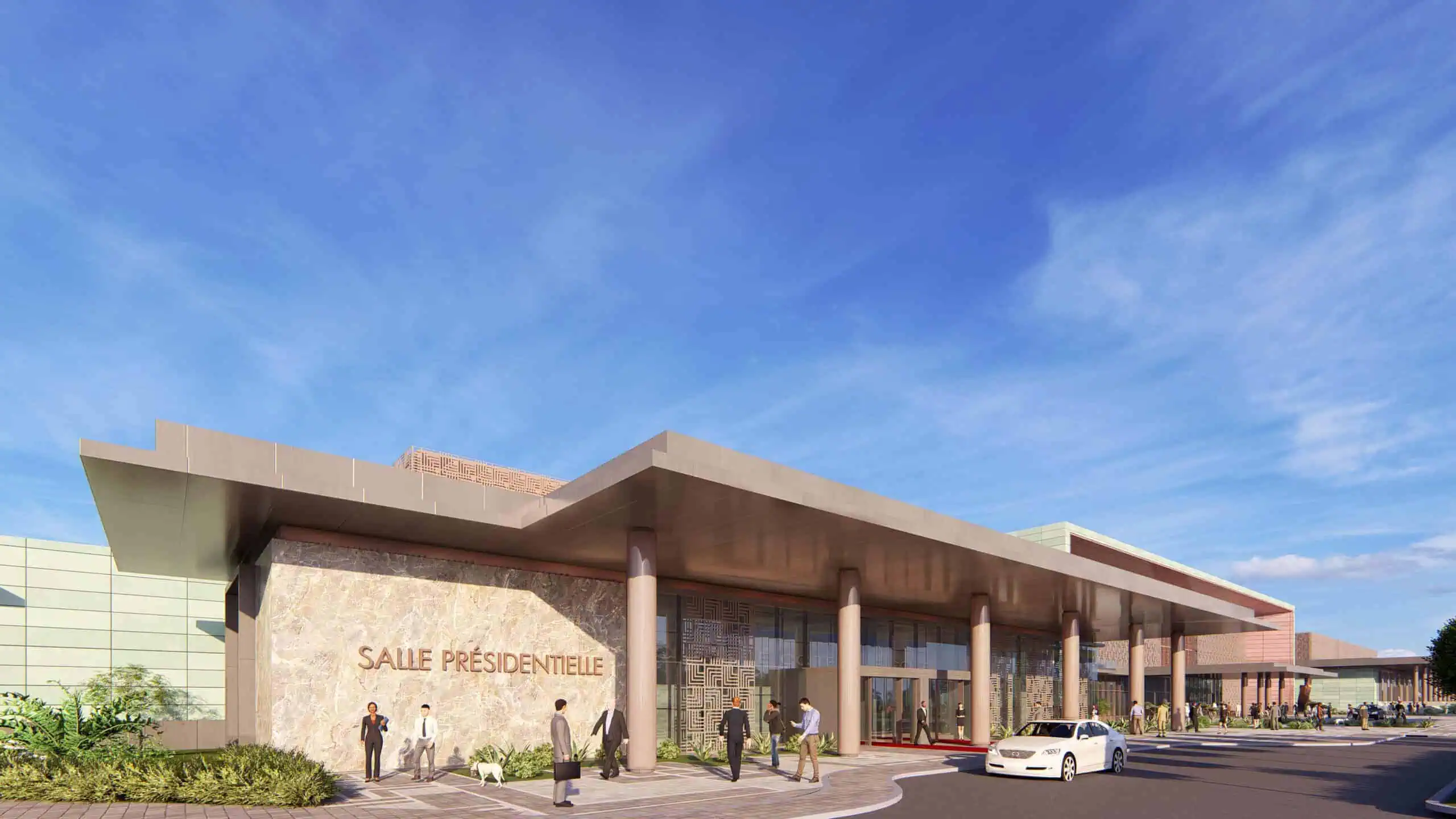
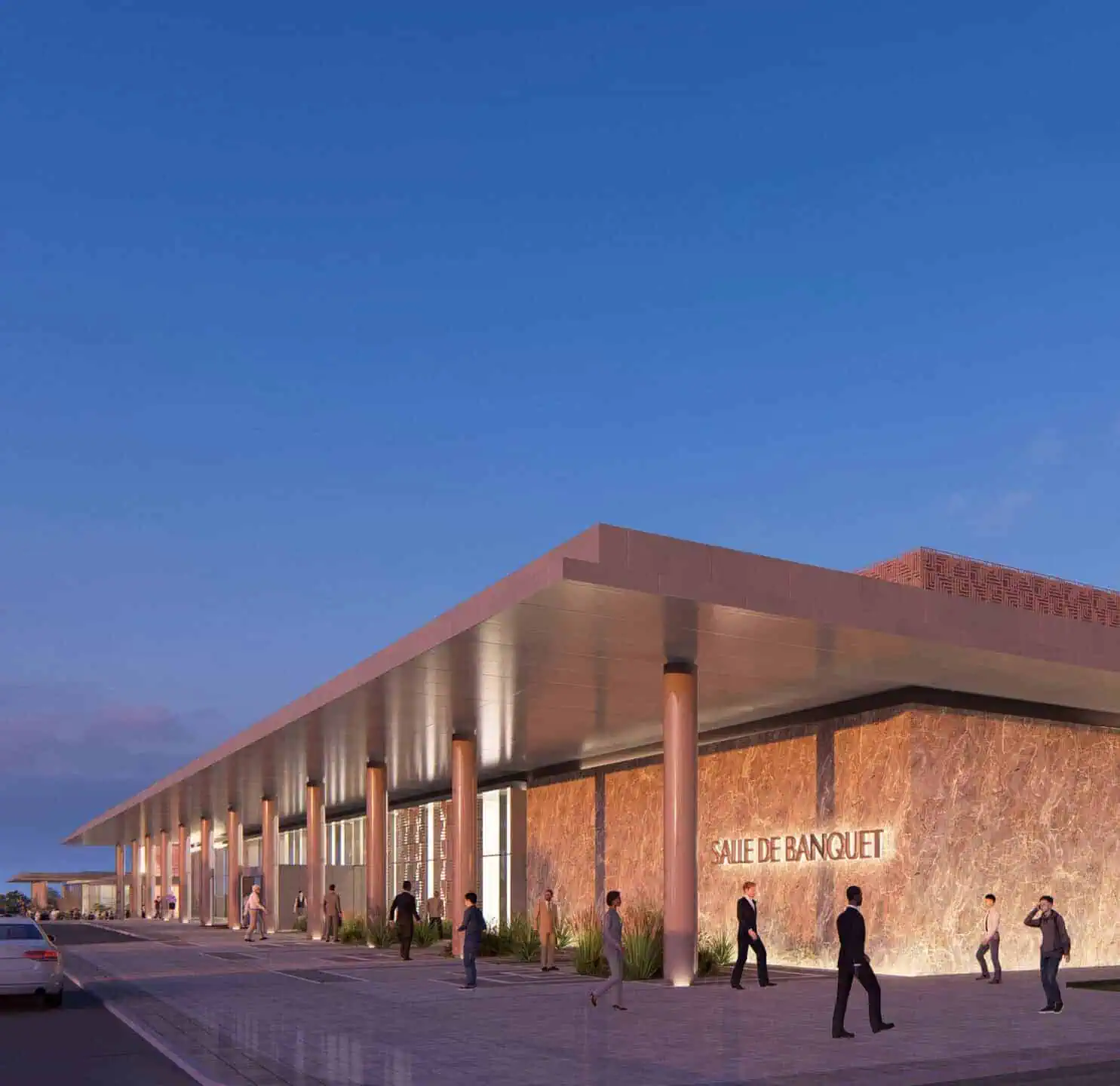
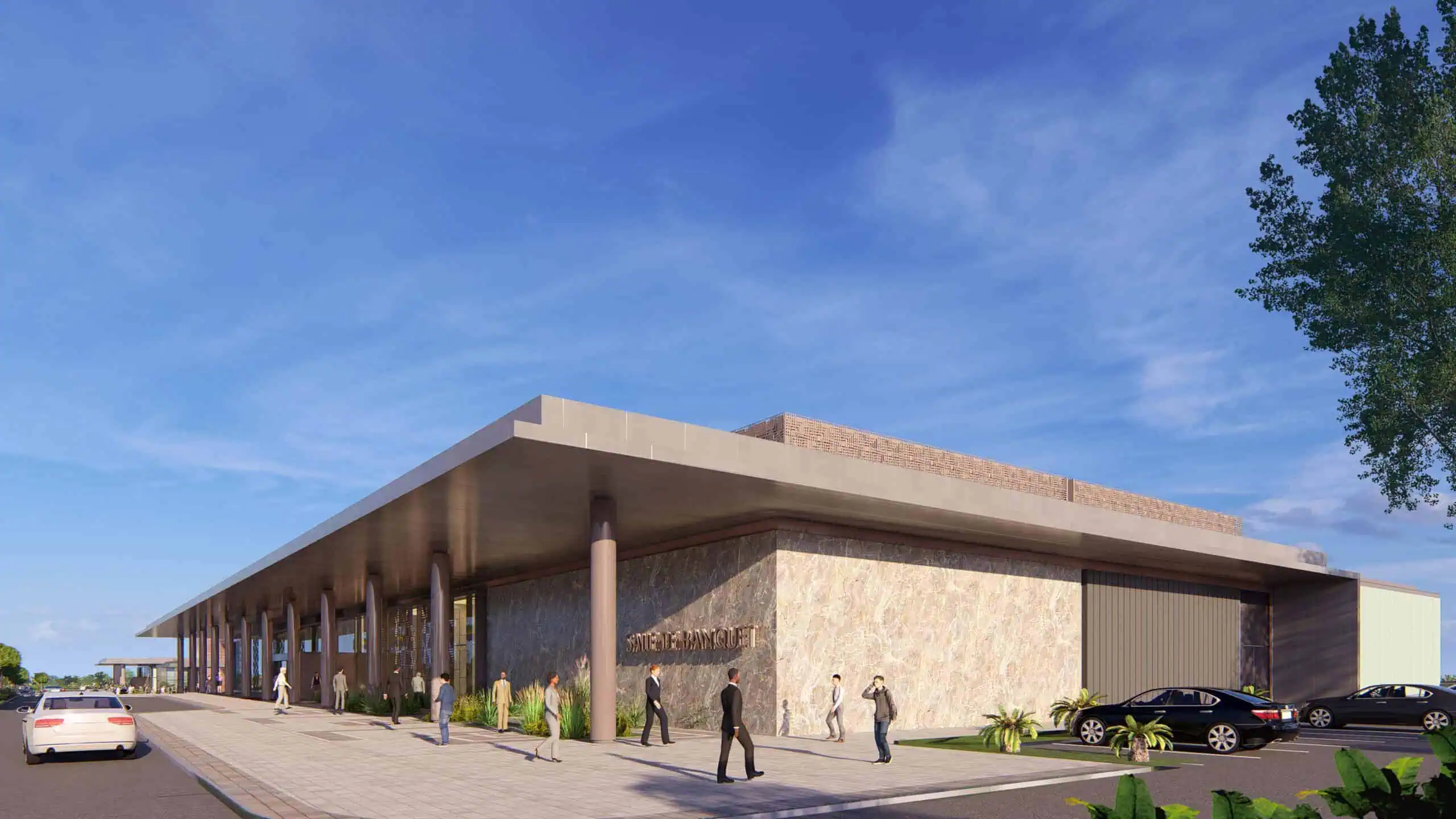
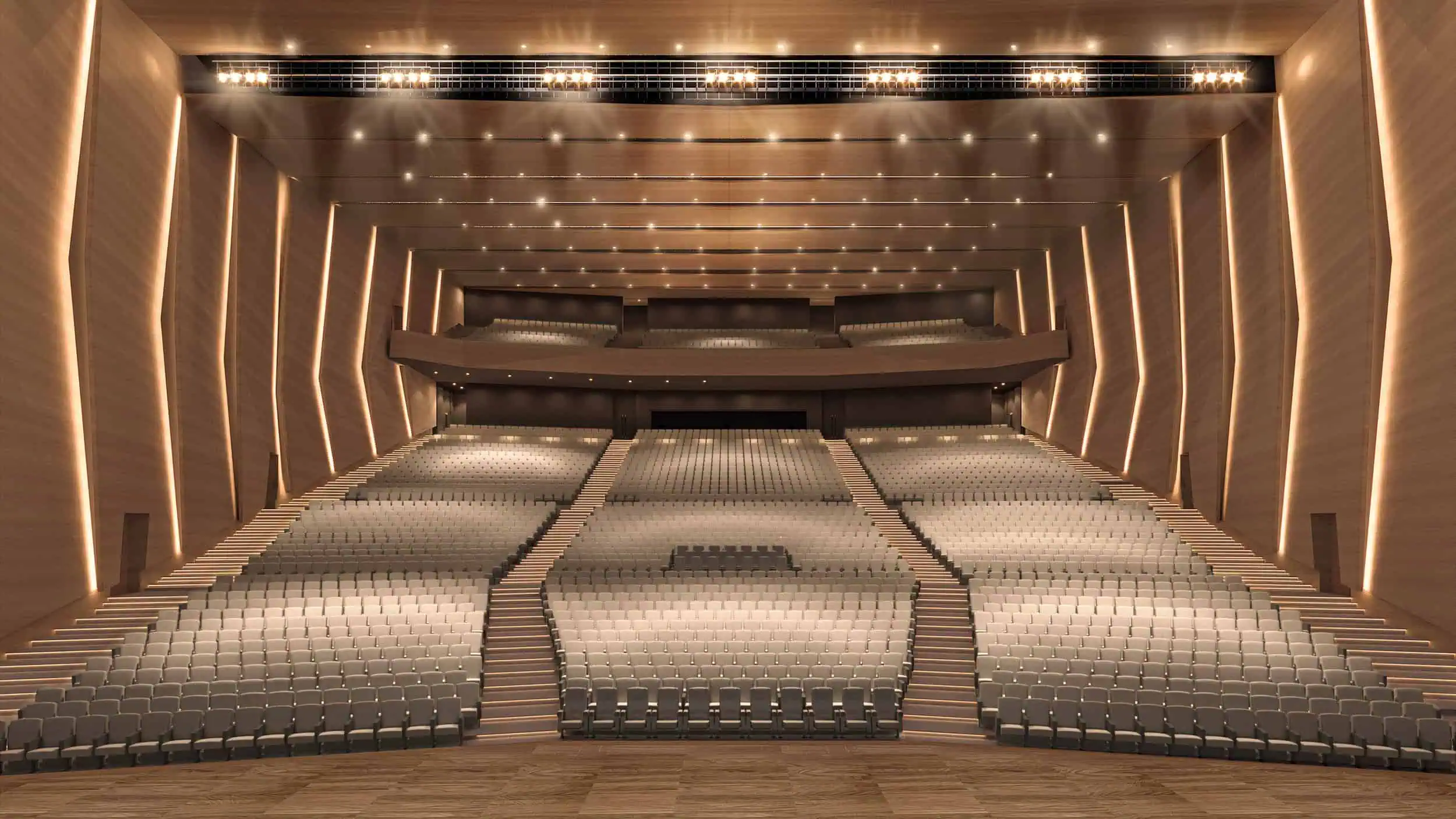
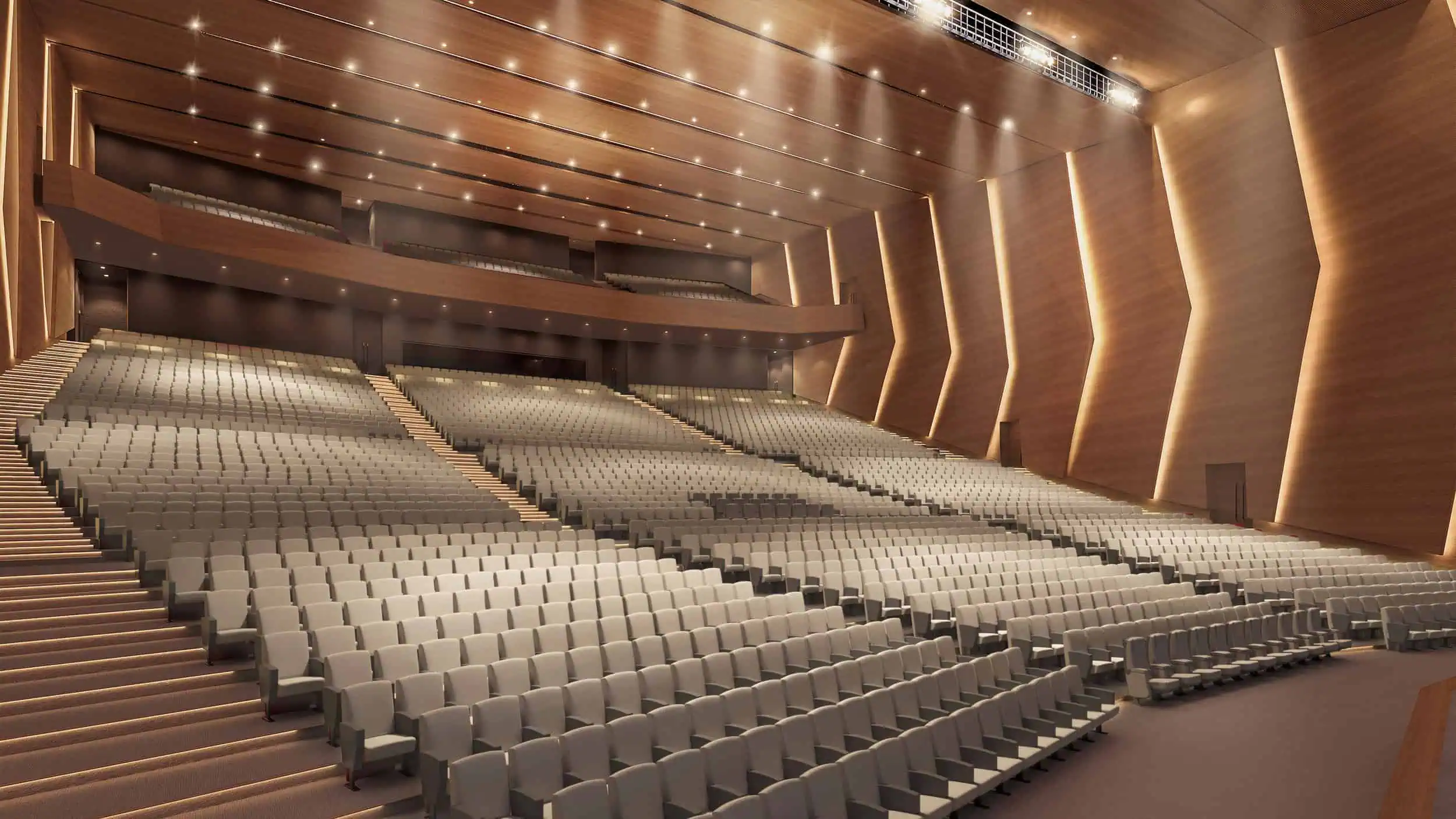
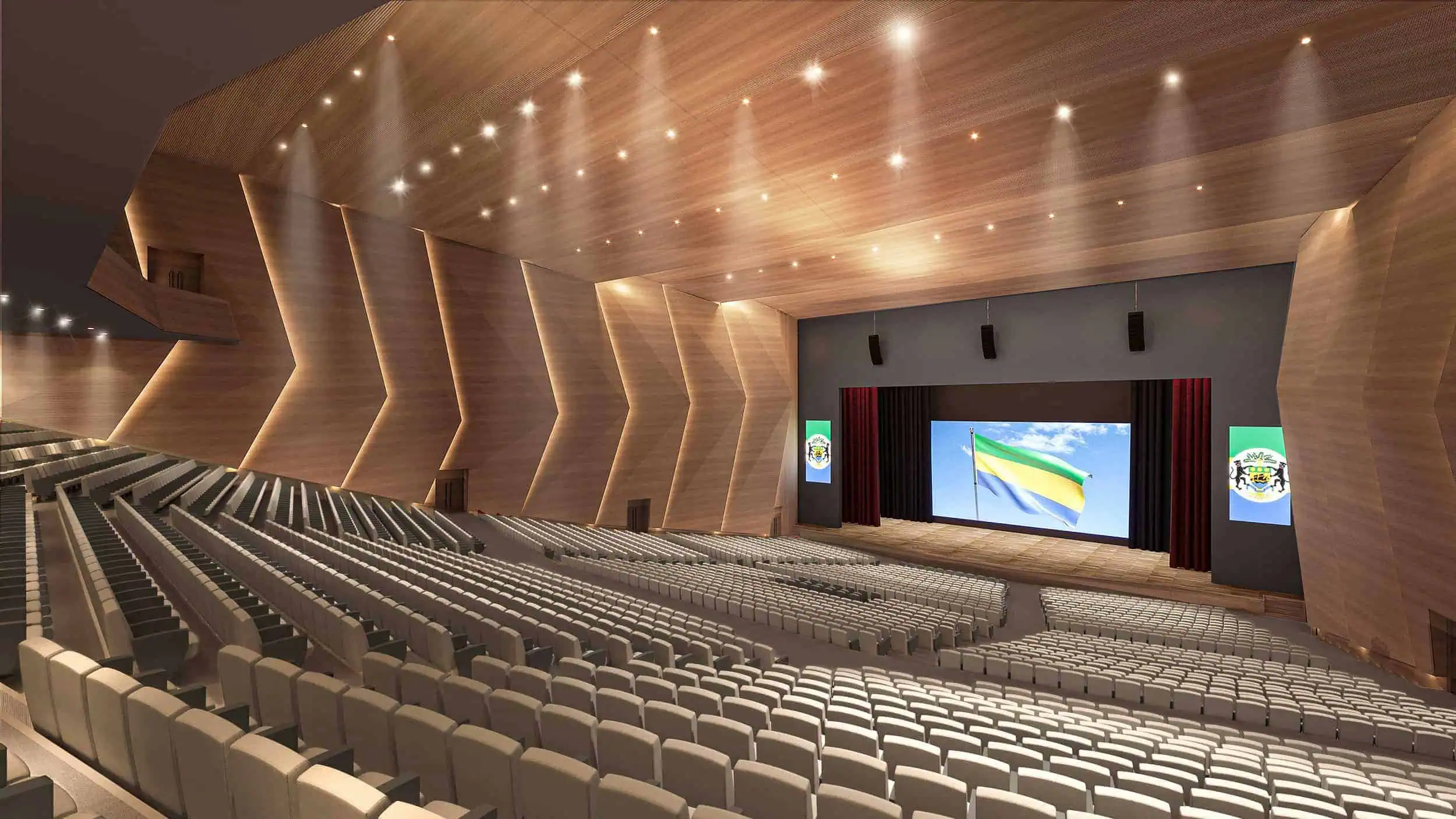
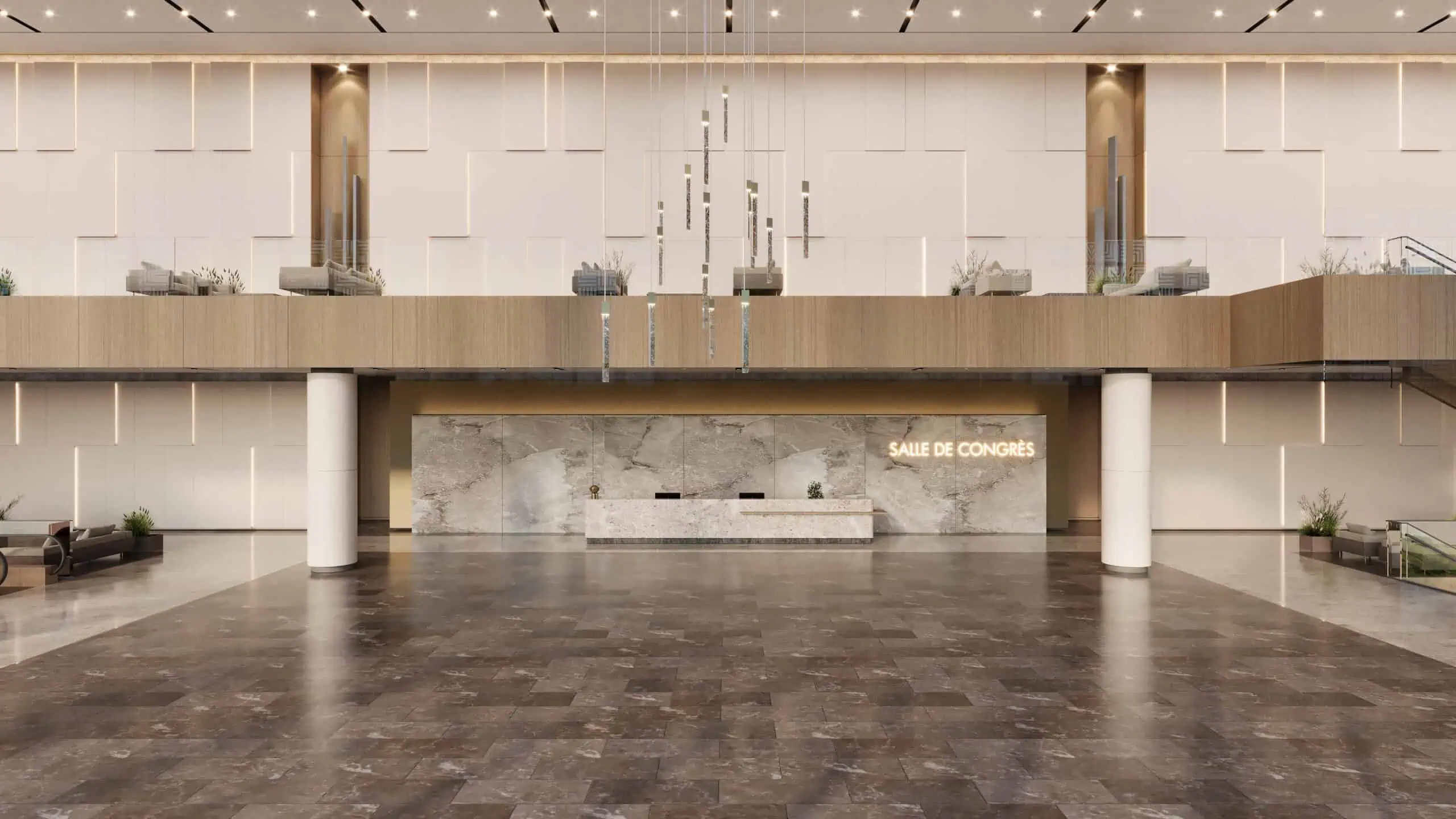
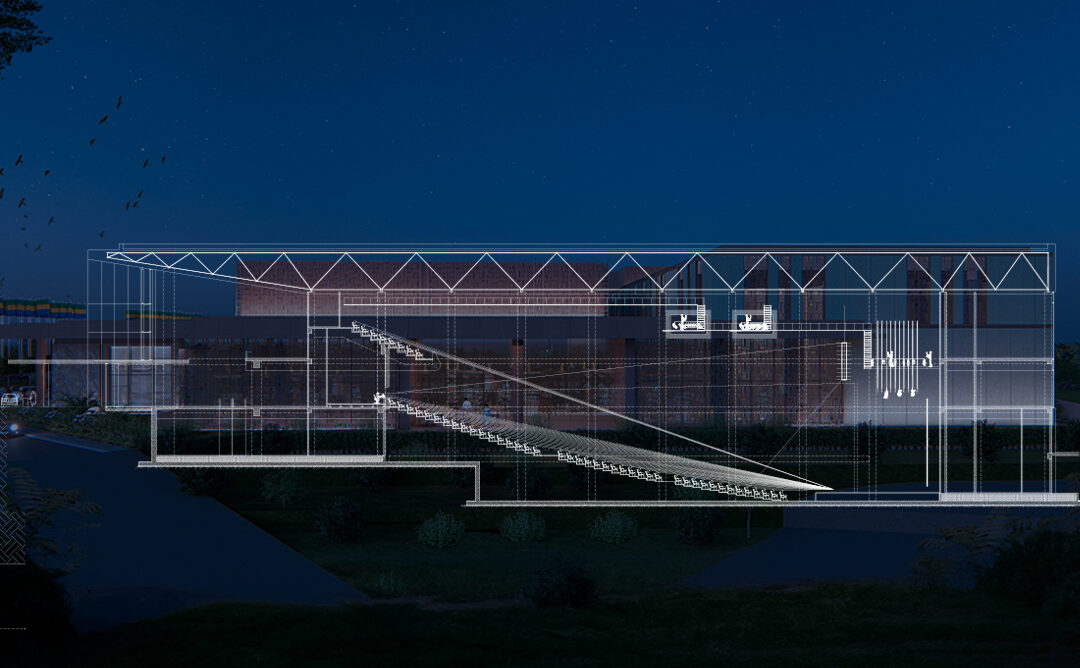
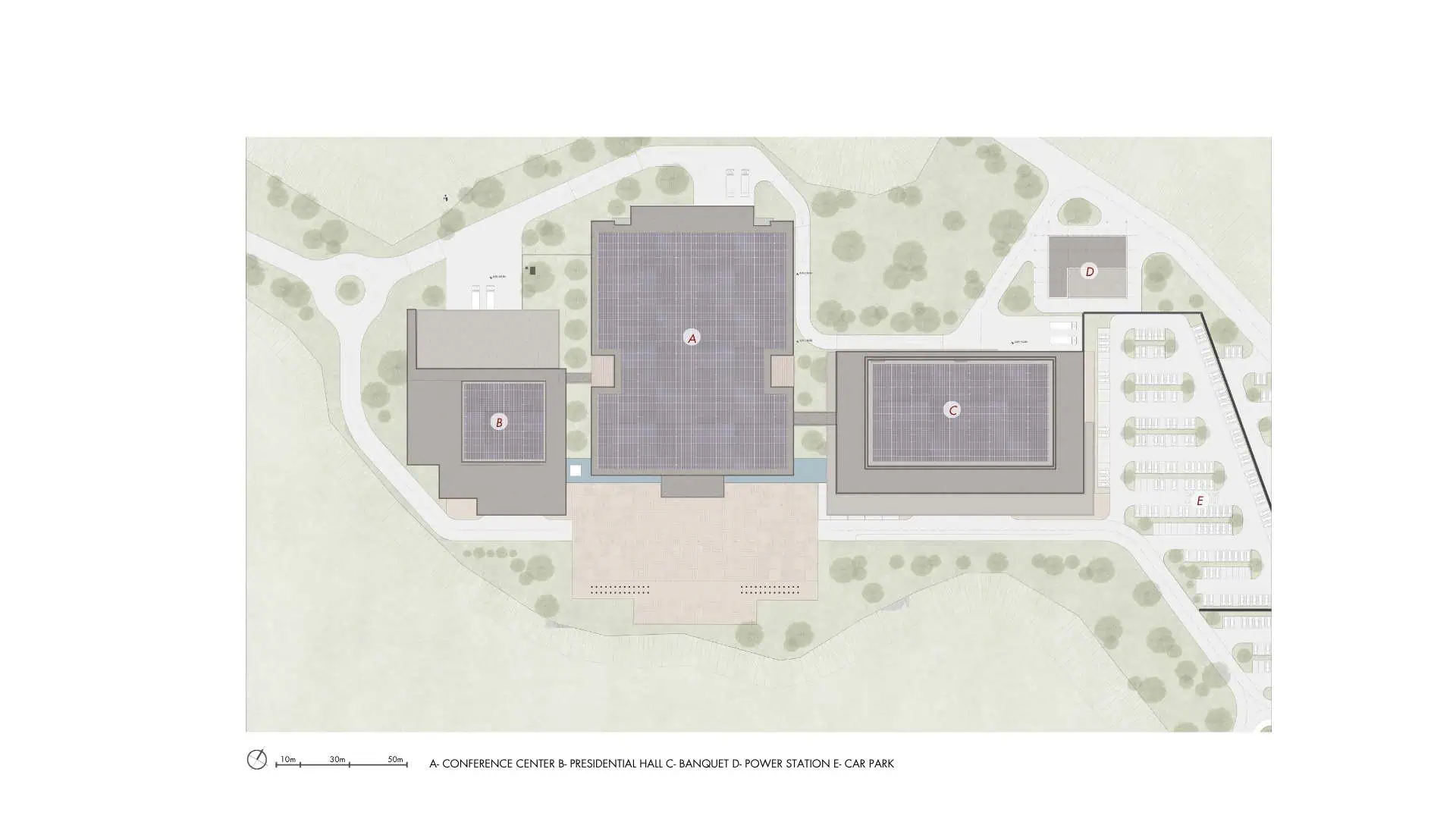
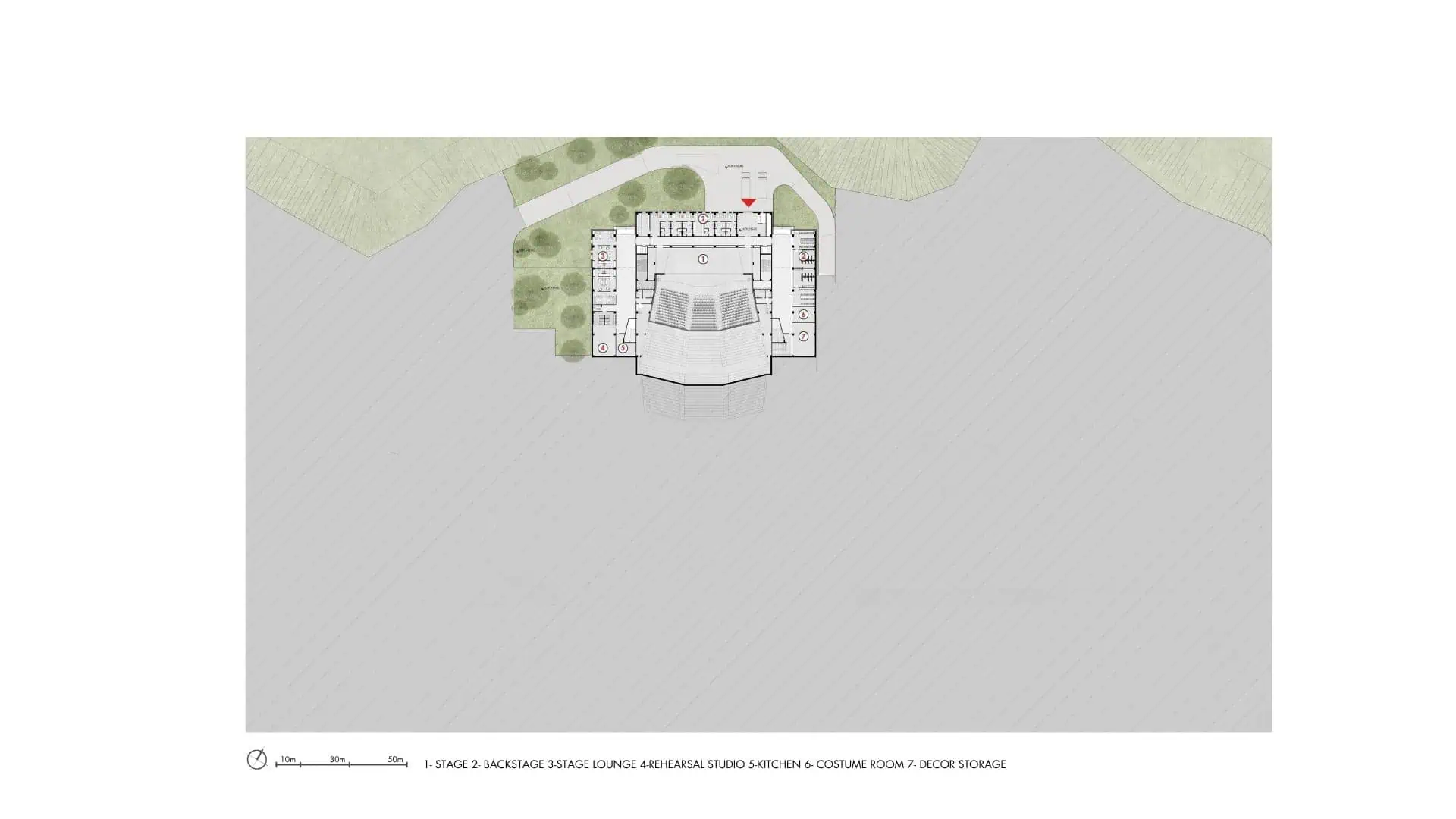
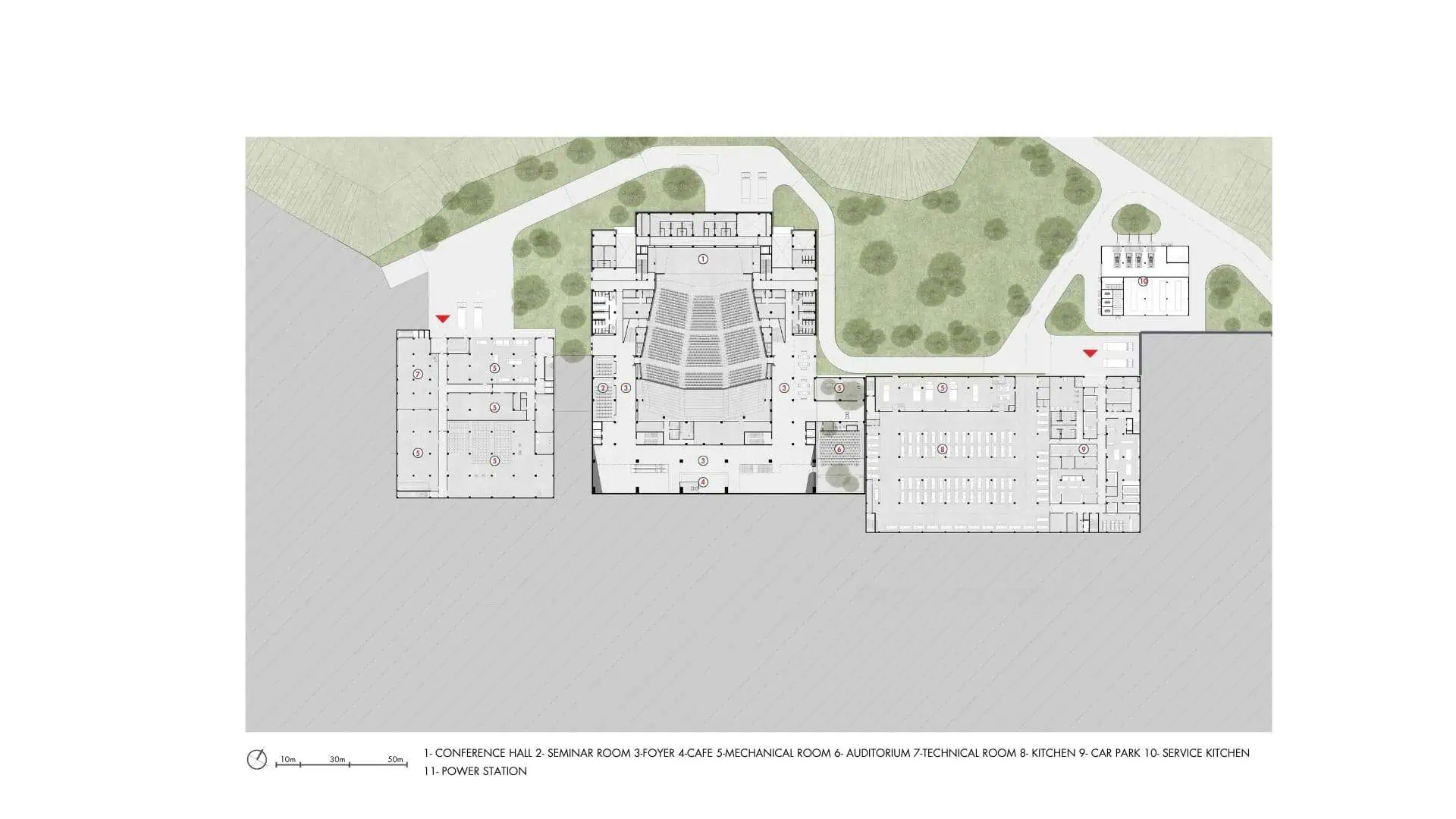
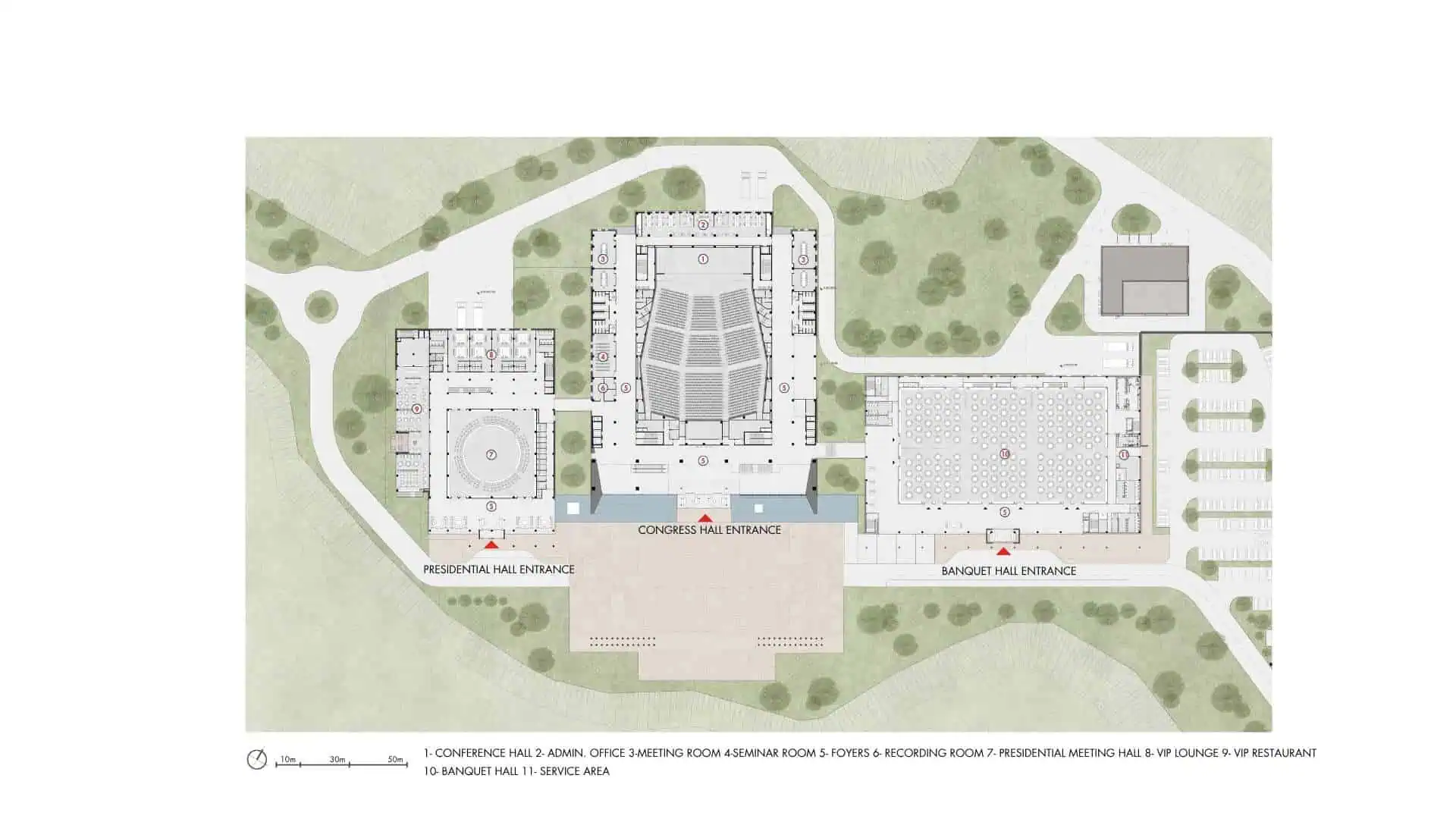
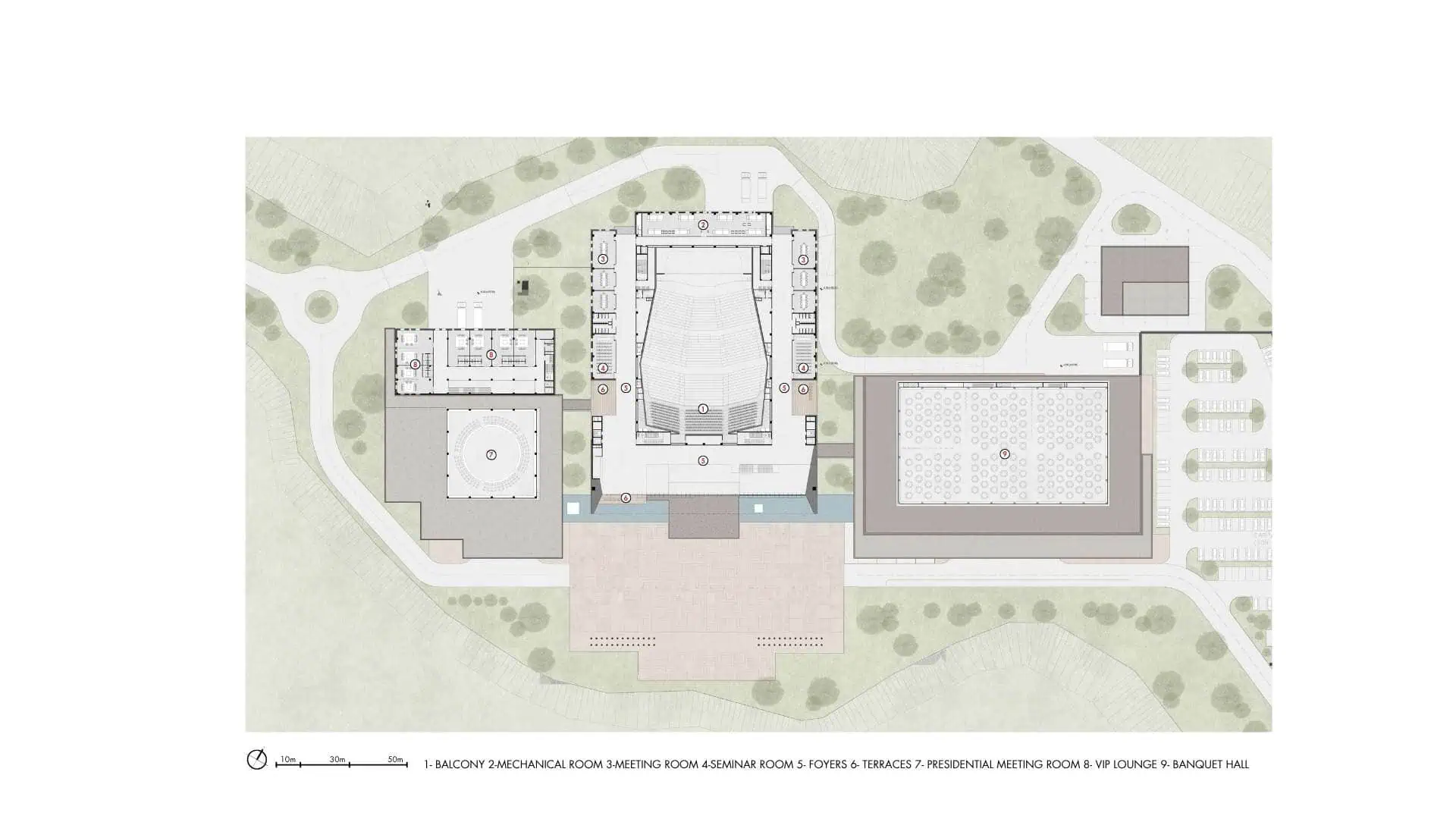
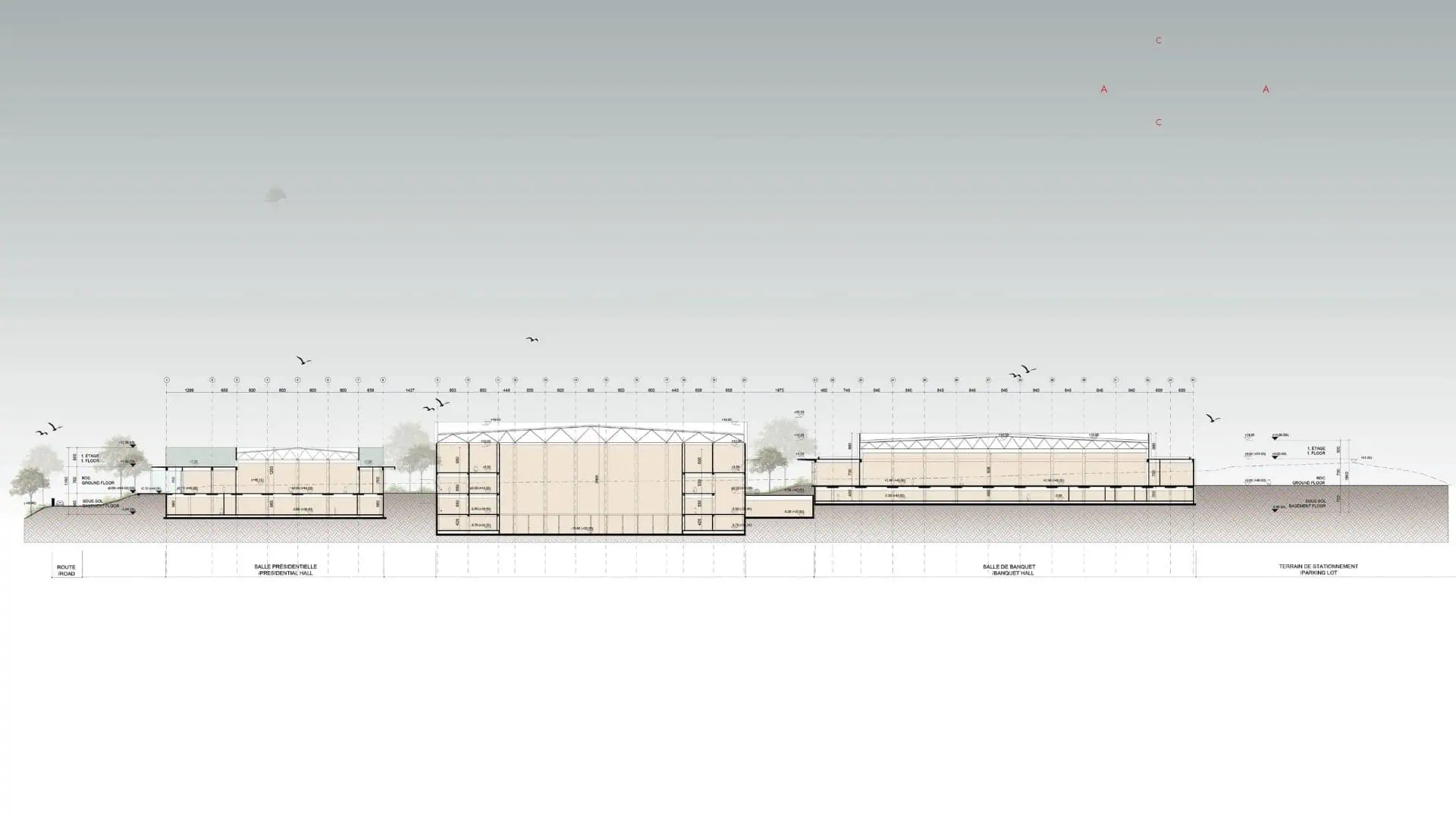
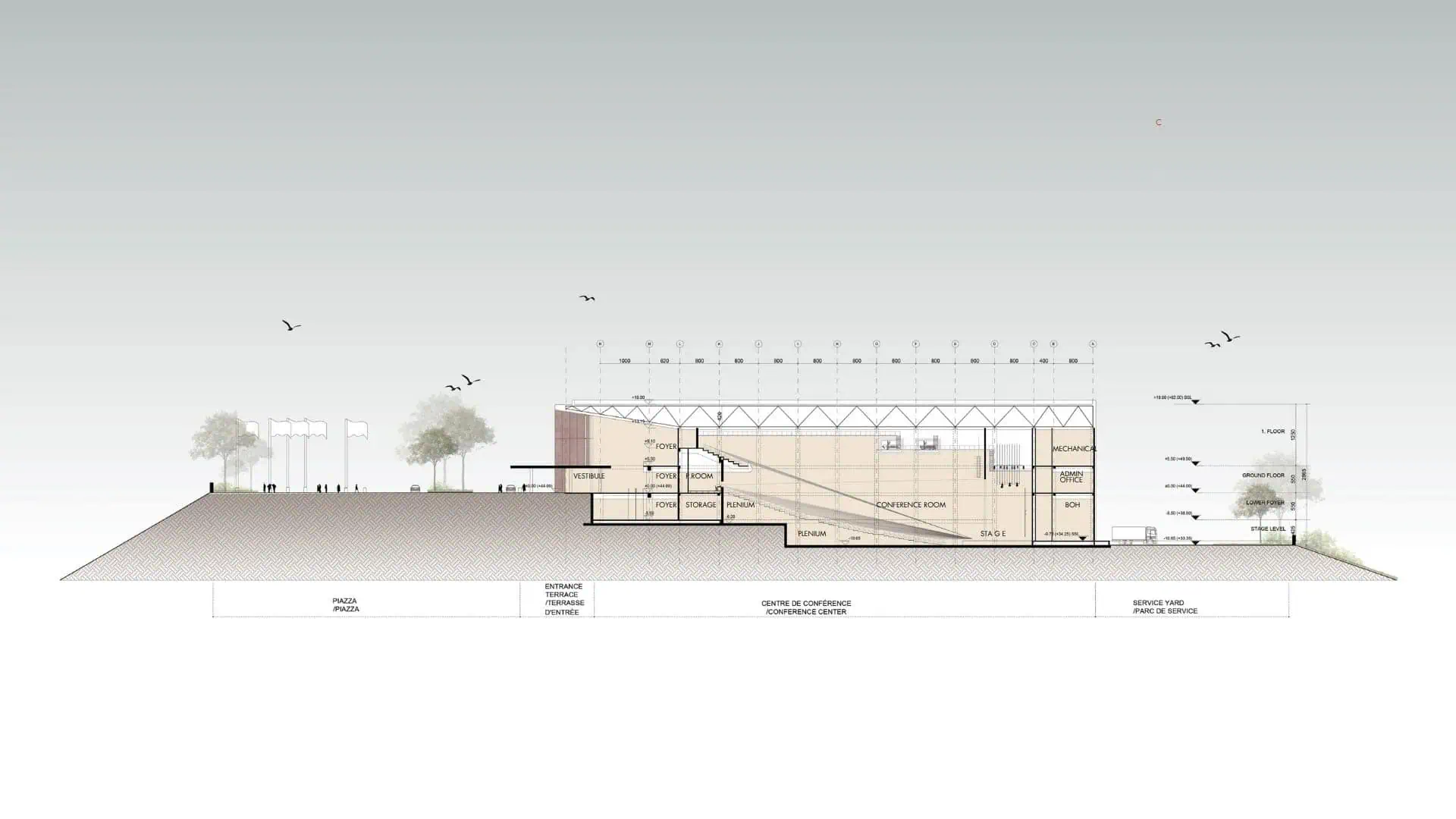
The architectural program unfolds around a rich sequence of volumes and uses, each precisely calibrated to accommodate various scales of exchange — from intimate dialogue to global discourse. Core Program Elements: Grand Auditorium (3,000 pax): The nation’s voice, given space and resonance, presidential Hall: A secure, circular room where diplomacy finds intimacy. banquet Hall (1,500 seated / 3,000 standing): A stage for celebration and state ritual. VIP Lounges, Offices, Press, Security Suites: Discrete and seamless transitions for all levels of access. These components are stitched together by generous foyers, layered thresholds, and spatial rhythms that reflect a deep understanding of movement, pause, and spectacle.
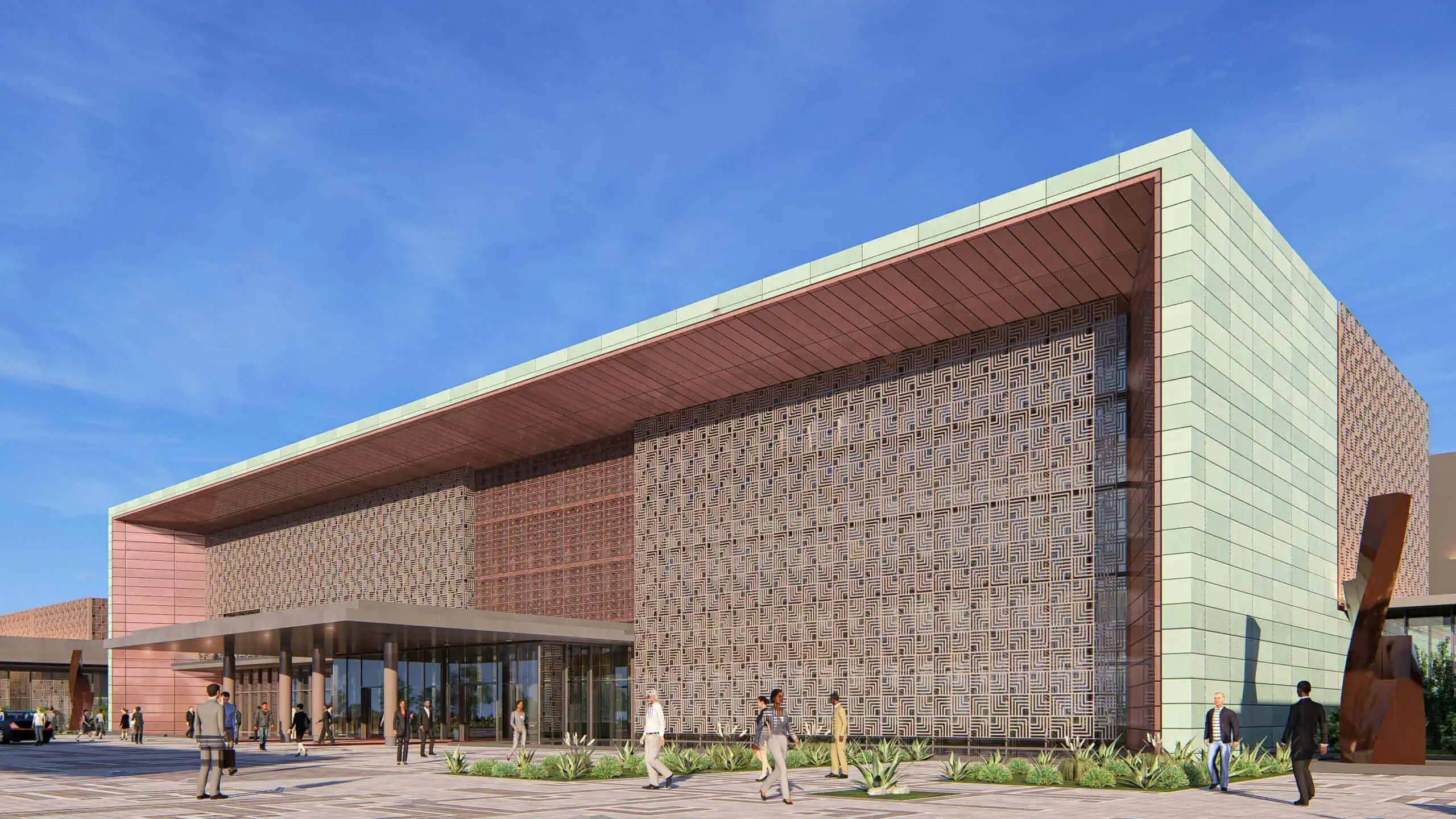
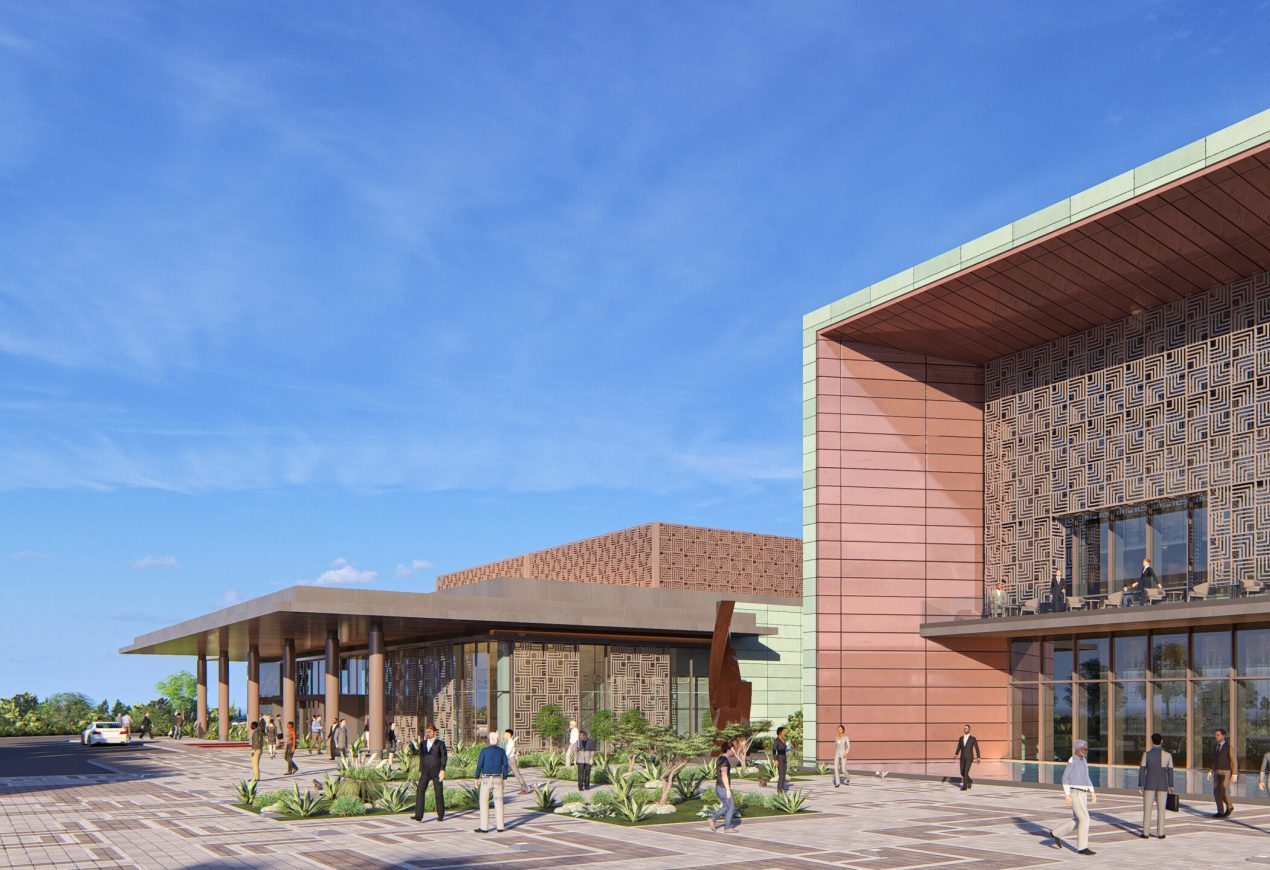
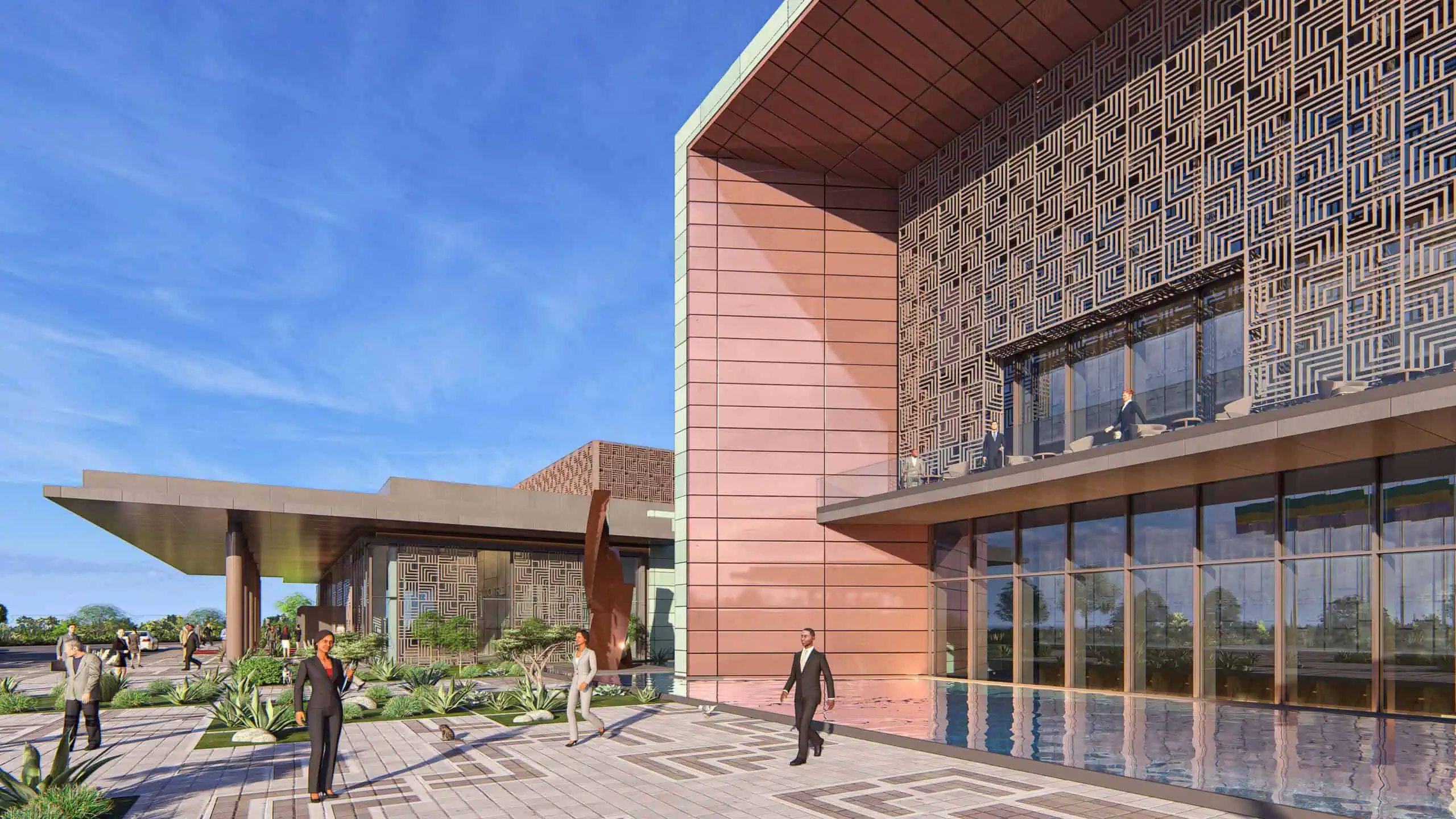
The Congress Center’s piazza embodies democracy, serving as an open civic stage where state power meets public life.
The Piazza: A Democratic Threshold
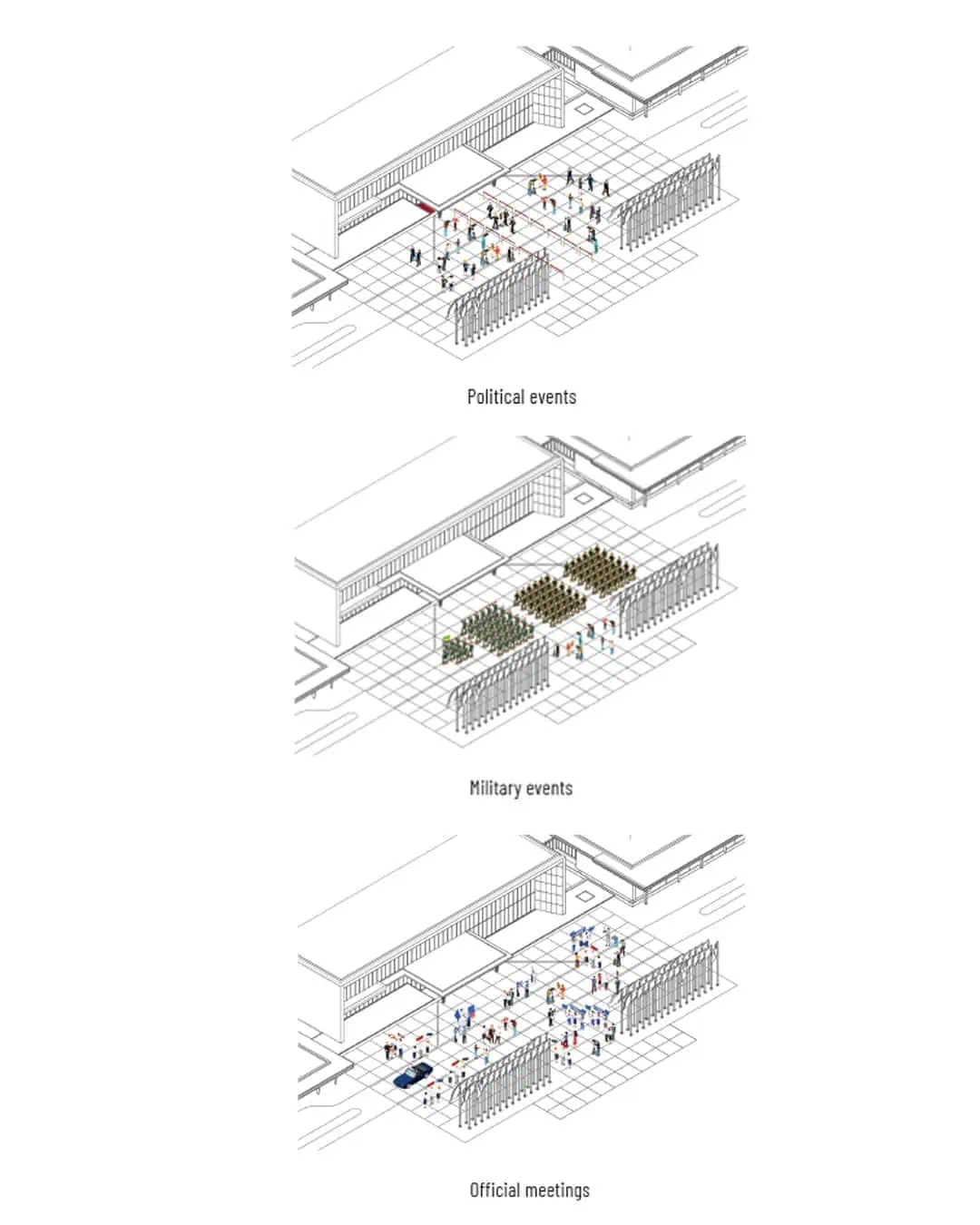
Fronting the Congress Center is a wide public piazza, not only as a spatial buffer, but as a democratic symbol. It is a place where citizens gather, processions unfold, cameras capture, and the state becomes accessible. Here, architecture performs a civic function not only by housing state activities, but by ritualizing encounter. The openness of the square contrasts with the controlled interiors, reminding us that power gains meaning when shared with the public realm.
Diagrams illustrating context, climate, and urban integration.
The Congress Center’s materiality balances tradition and modernity, using local stone, daylight, and crafted details to express both civic gravity and welcoming warmth.
Material Poetics: Light, Texture, and Time
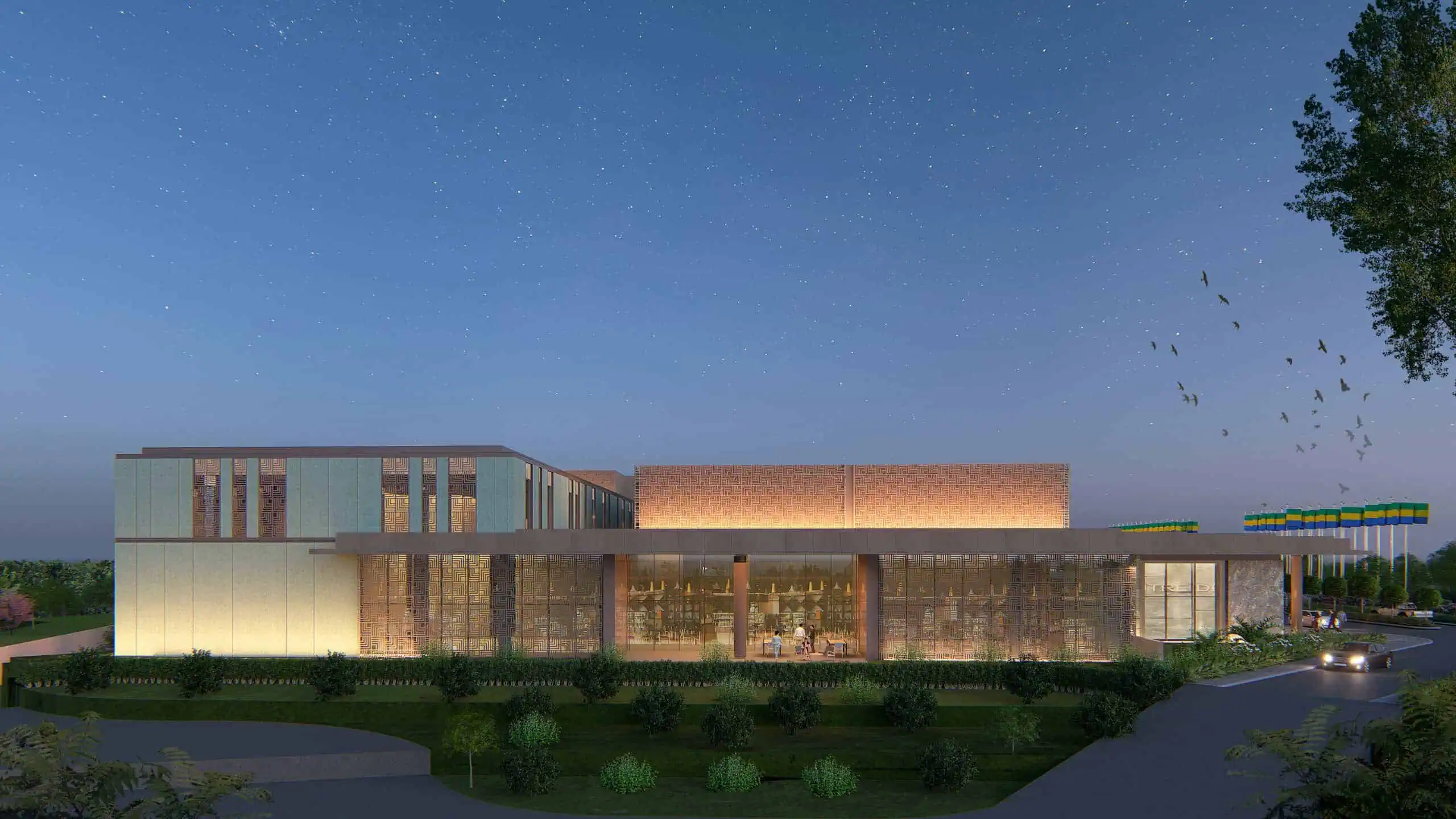
Informed by climate, culture, and context, the Congress Center reinforces civic weight through materiality: local stone grounding the structure, sunbreakers casting shifting facade shadows, foyers with daylight calm, and brass with tropical hardwoods bring dignity. Contrasts of hard/soft, solid/void, light/shadow balance tradition with modernity and formality with openness.
“The space we occupy reflects the world we want to build.” — Anonymous African Proverb
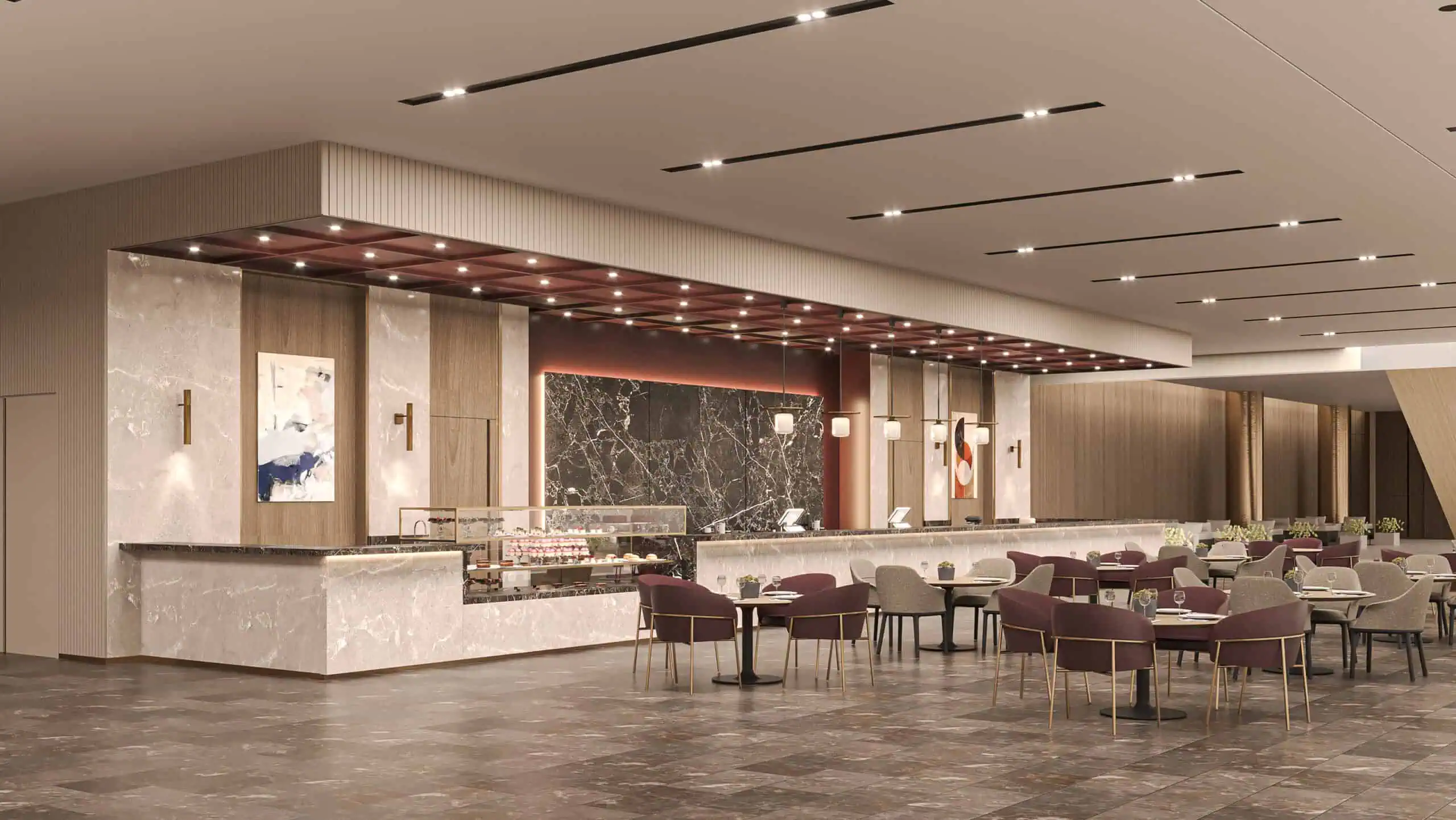
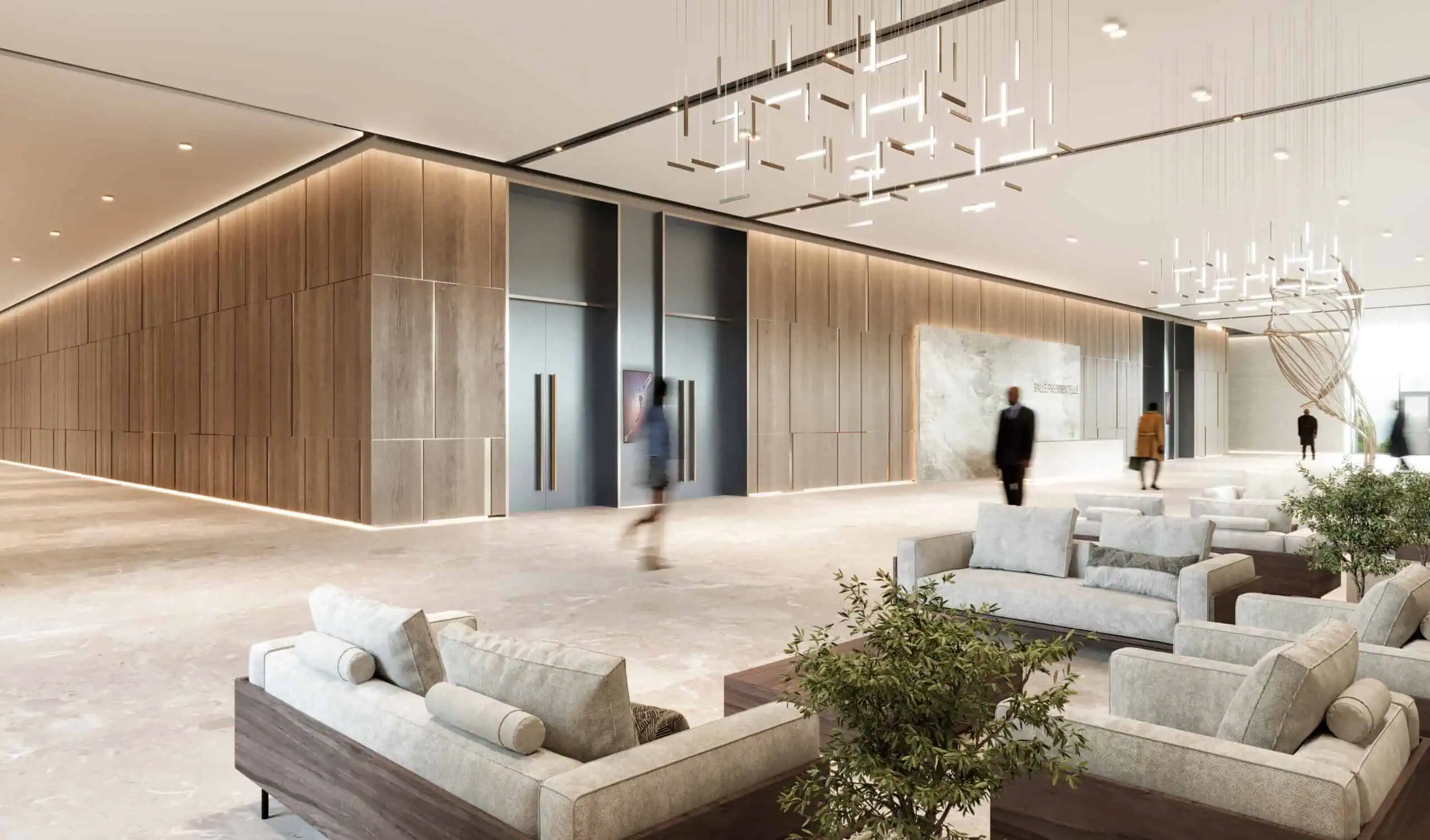
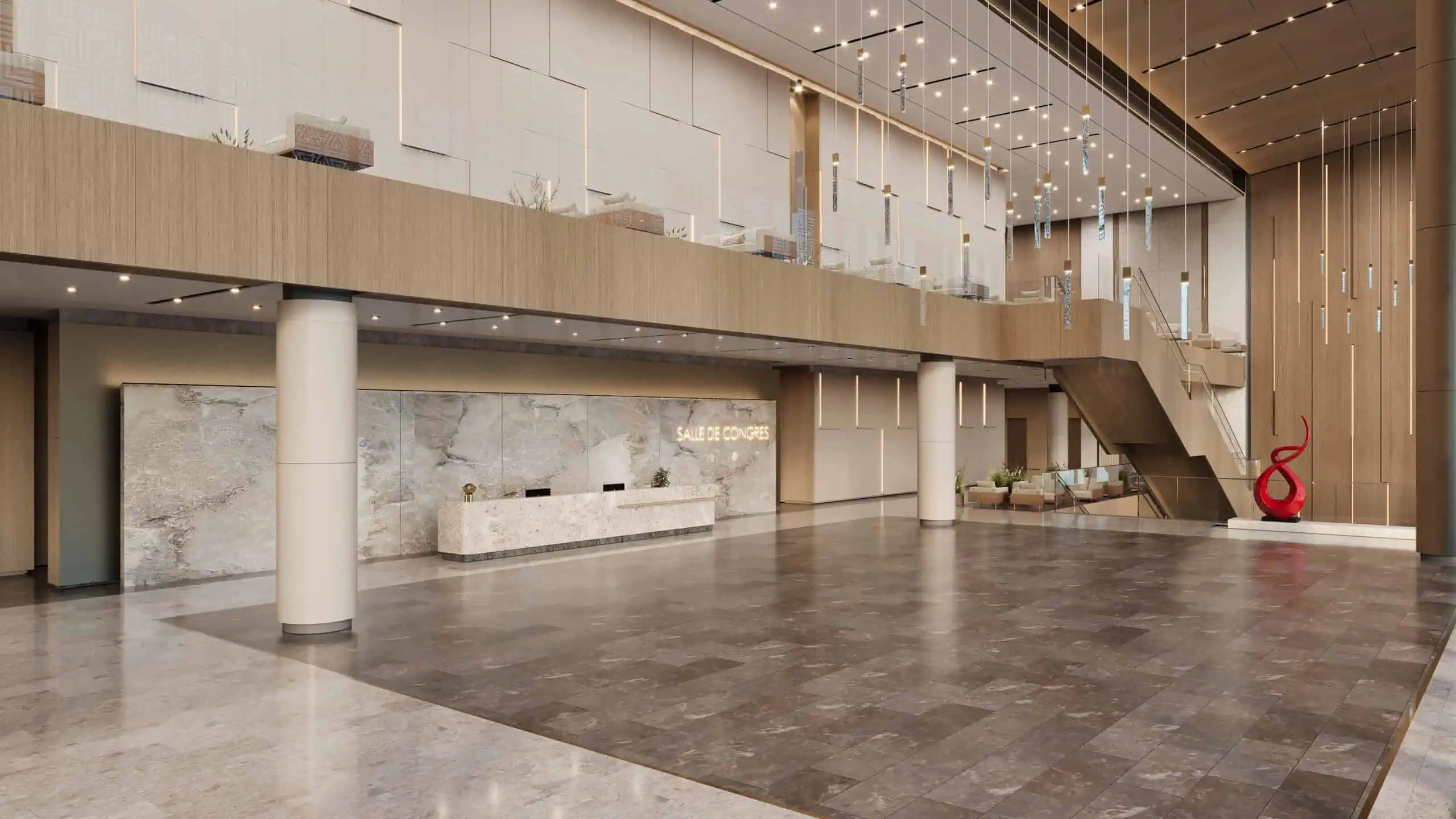
The interiors of the Congress Center extend its diplomatic mission, offering finely crafted spaces that balance formality, focus, and adaptability for events of every scale.
Interior Worlds: Crafting Comfort in Ceremony
Interiors of the Congress Center are not an afterthought — they are an extension of the building’s diplomacy. From the auditorium’s rich acoustic panels to the presidential suite’s secluded lounges, the goal is to create spaces that welcome presence, facilitate focus, and amplify purpose. The Banquet Hall, a vast but finely detailed space, accommodates formal dinners, gala receptions, and national celebrations. Surfaces are acoustically and visually tuned, while lighting systems can transform atmosphere according to event. VIP rooms are crafted with both discretion and expression in mind — no area feels generic, yet all adhere to a common visual and tactile language.
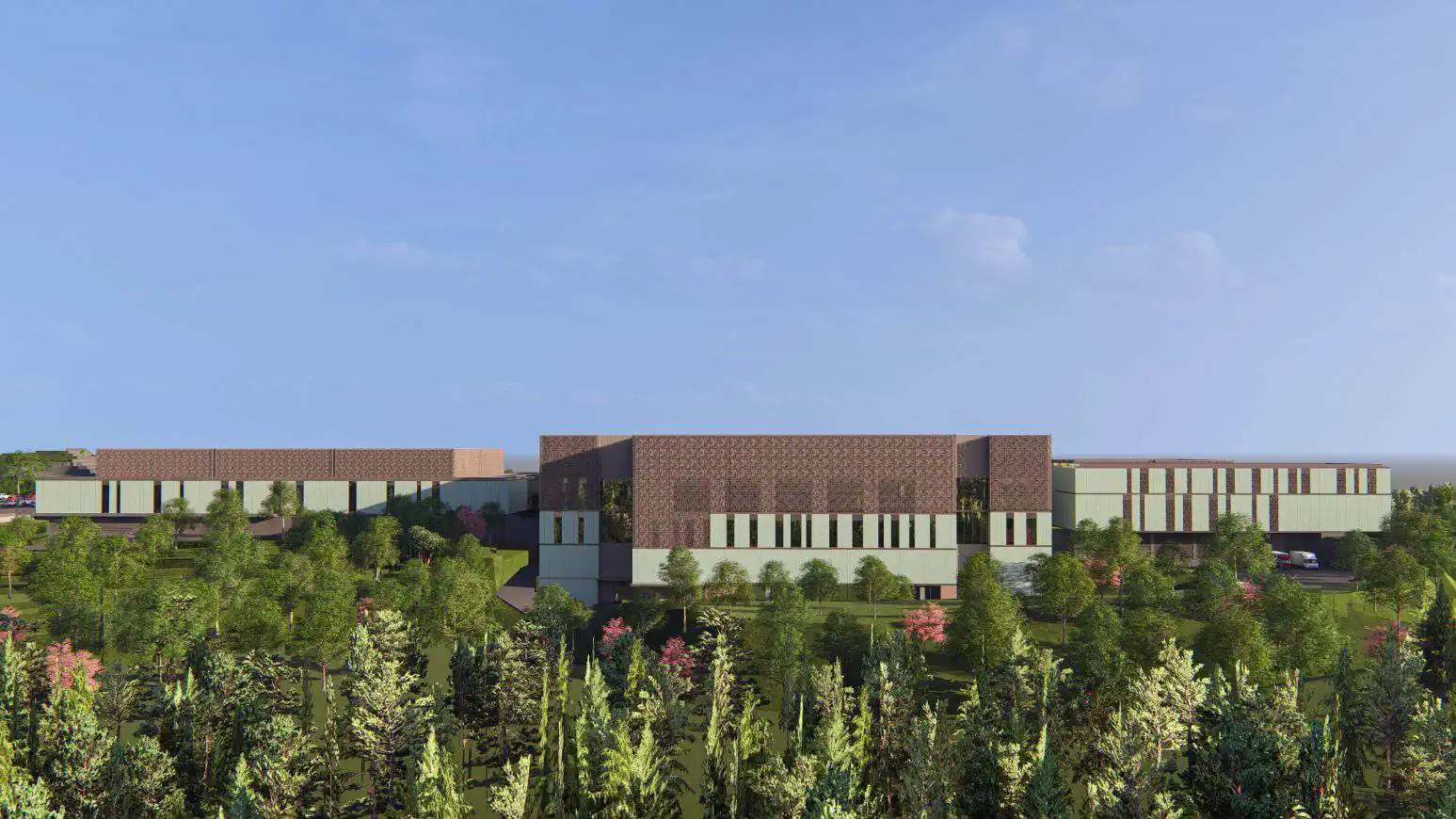
The Congress Center meets Libreville’s tropical climate with shading, natural ventilation, rainwater harvesting, local materials, and smart systems to ensure true environmental performance.
Climate-Conscious Grandeur: Sustainability as Logic
In a city like Libreville, with its tropical climate and seasonal humidity, architecture cannot afford to be performative only — it must perform environmentally. This Congress Center integrates: Shading systems adapted to sun path (horizontal for south façades, vertical for east-west) , Natural ventilation strategies in circulation areas. Rainwater harvesting infrastructure to support landscape and service use . Locally manufactured materials to reduce carbon footprint . Smart systems for lighting, HVAC and water management.
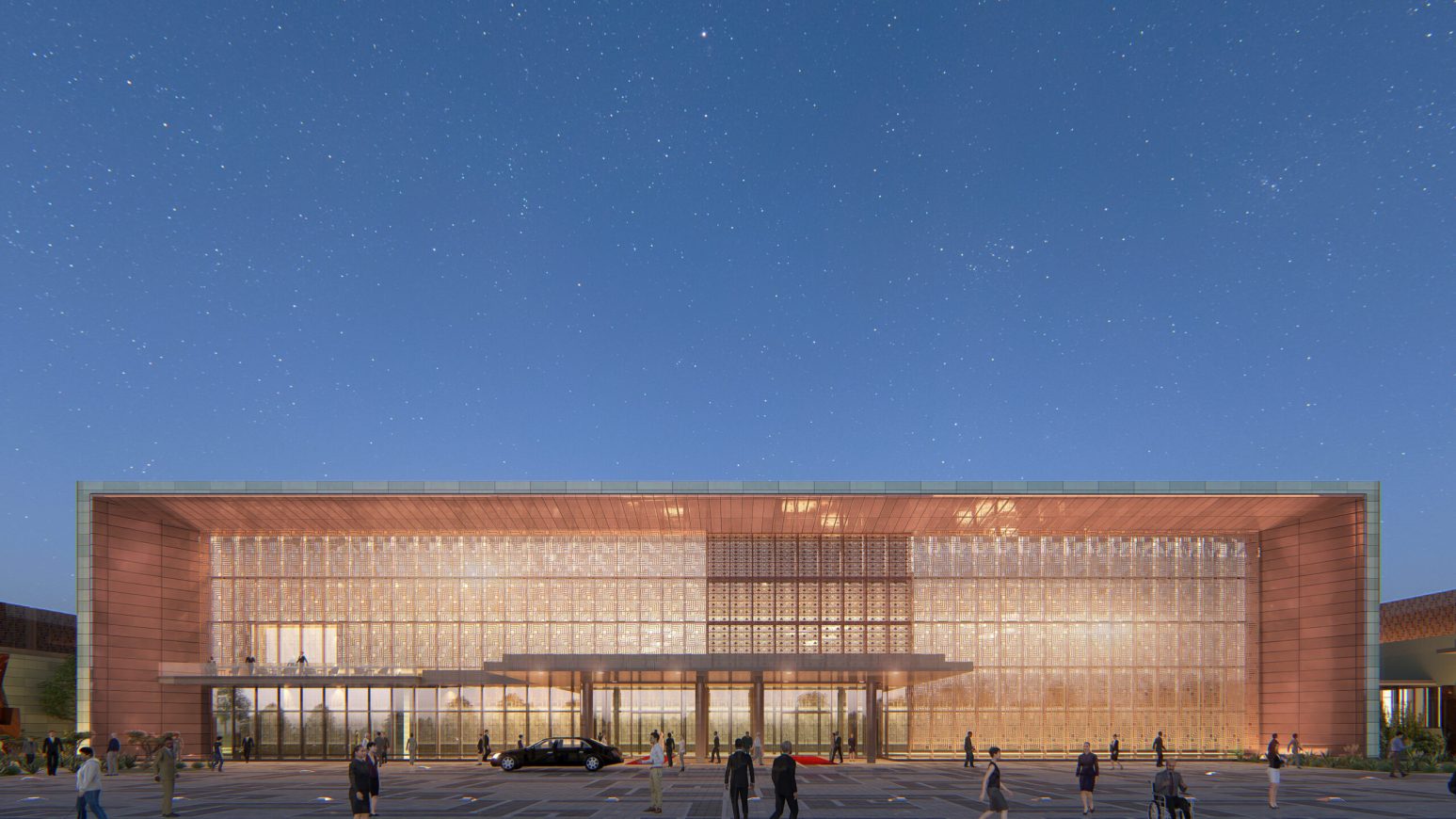
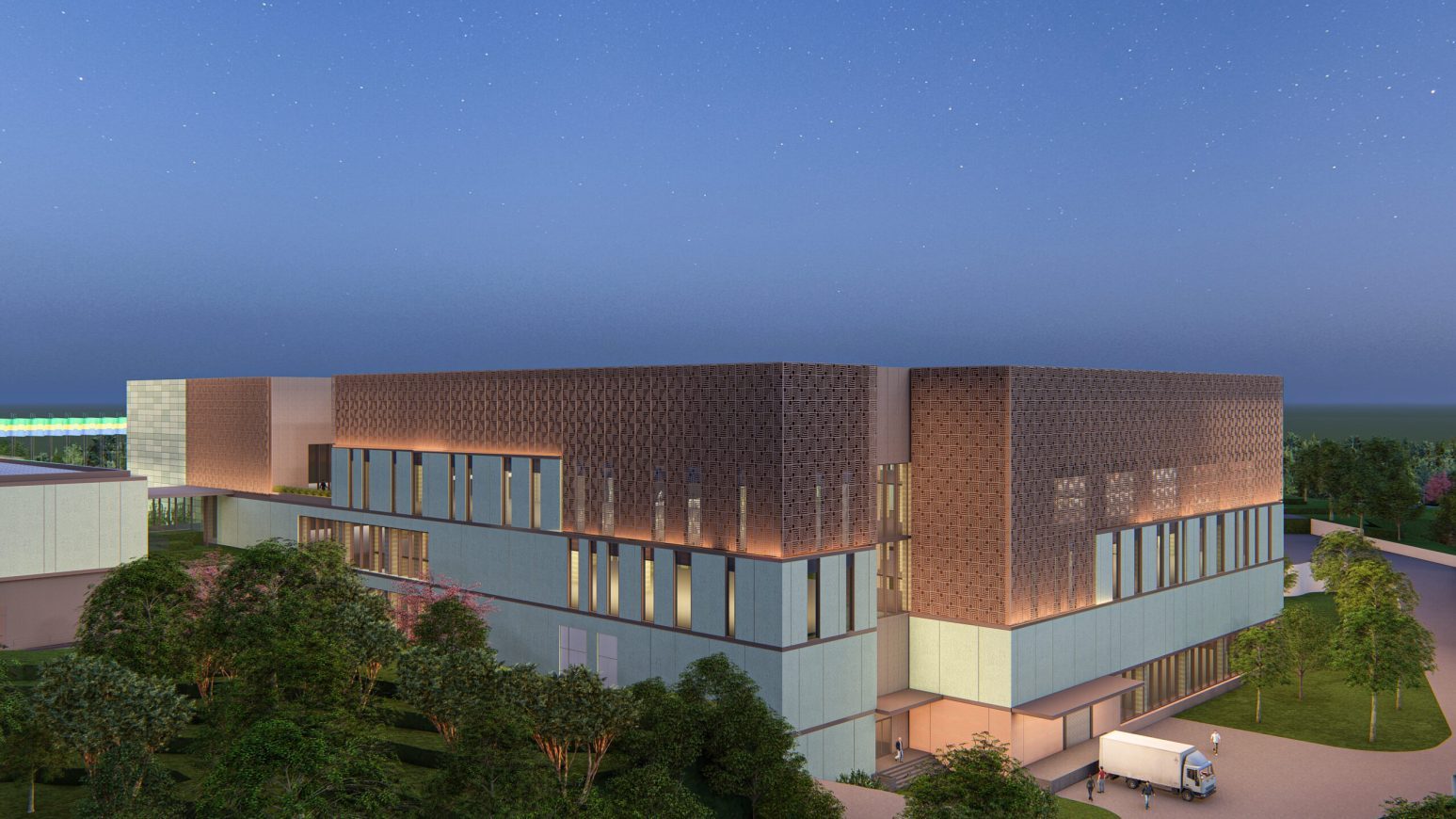
The Congress Center illuminated as a civic beacon at night.
The piazza as a stage for assembly, celebration, and civic life.
The Cultural Center of a Capital in Transition
The International Congress Center is designed to be more than a container for political activity. It is a cultural anchor — a place of performance, assembly, learning, and remembrance. It is a space where: National identity is projected and negotiated. Global ideas are received and debated. The future is crafted, one gathering at a time. Through this building, Libreville claims its place not only on the map, but in the global dialogue of cities that shape the world through space.
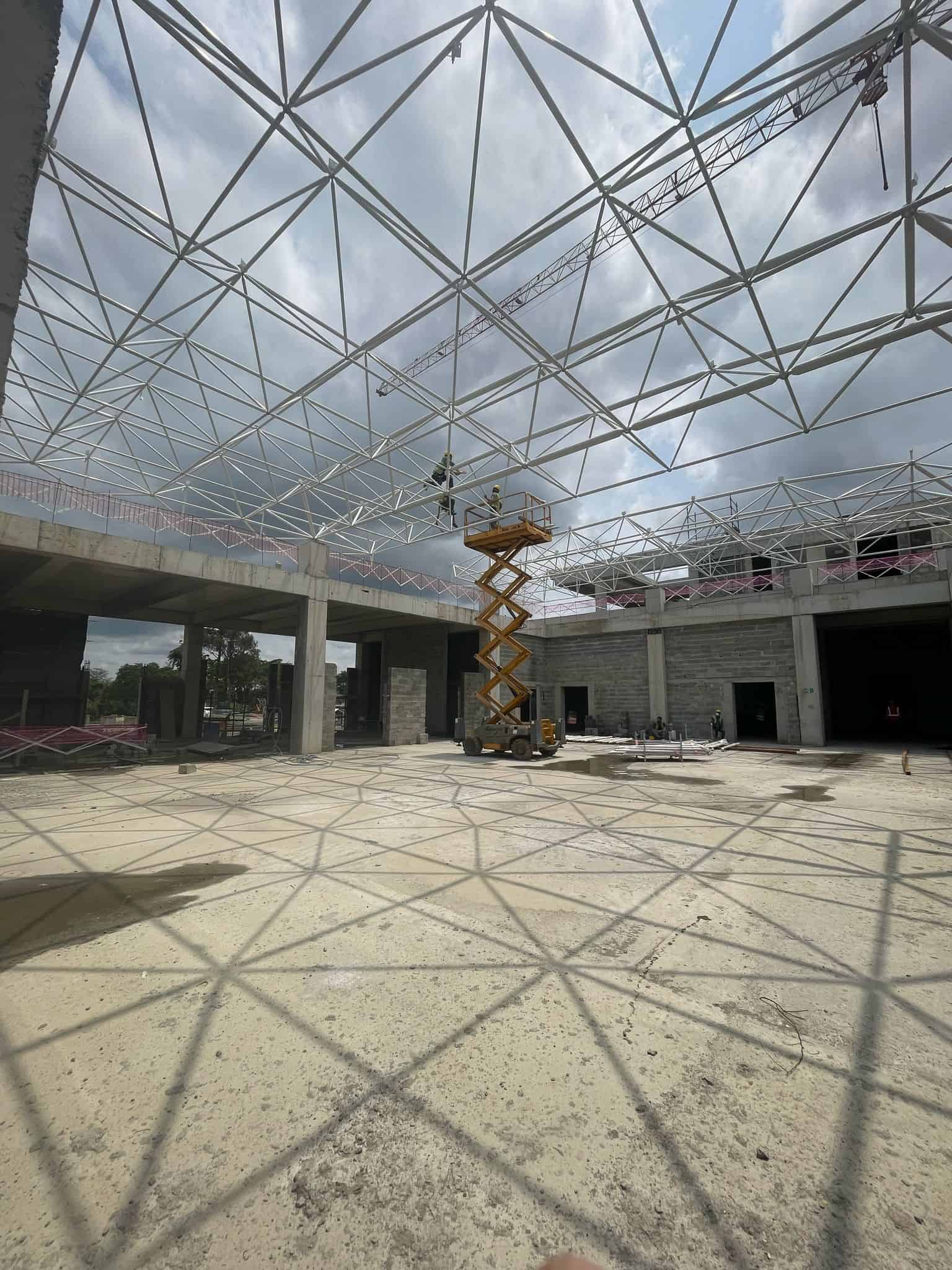
SITE VISIT TO THE GABON CITY OF DEMOCRACY PROJECT
Next project
Procter & Gamble Istanbul HQ
