


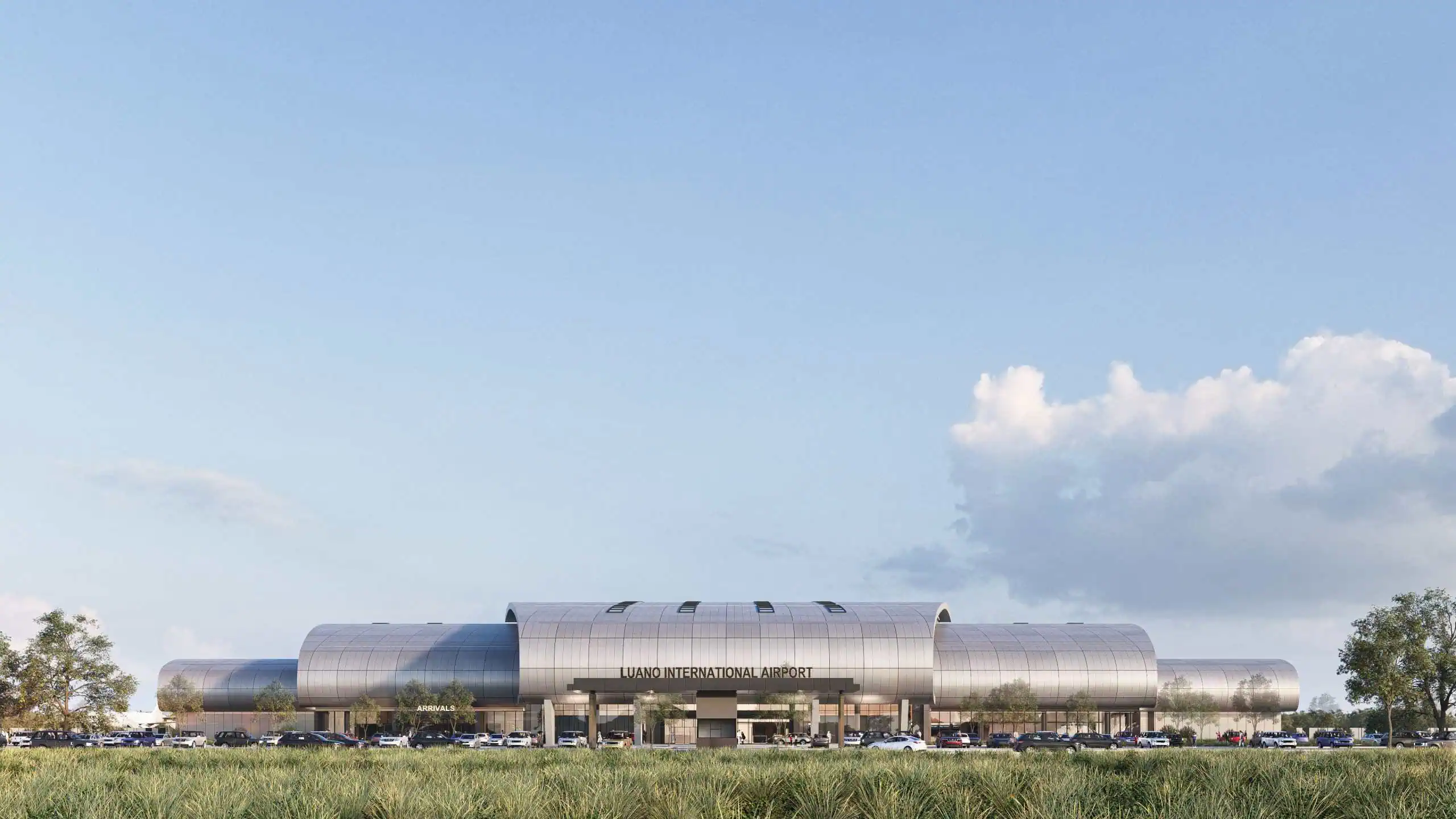
LUANO INTERNATIONAL AIRPORT
Designed as a bold and efficient response to the Democratic Republic of the Congo’s growing aviation needs, Luano International Airport redefines the arrival experience with its modern infrastructure, tropical sensitivity, and seamless passenger flows. With a capacity of 1 million passengers per year, the terminal offers a sustainable, welcoming, and future-ready air hub for both travelers and the nation.

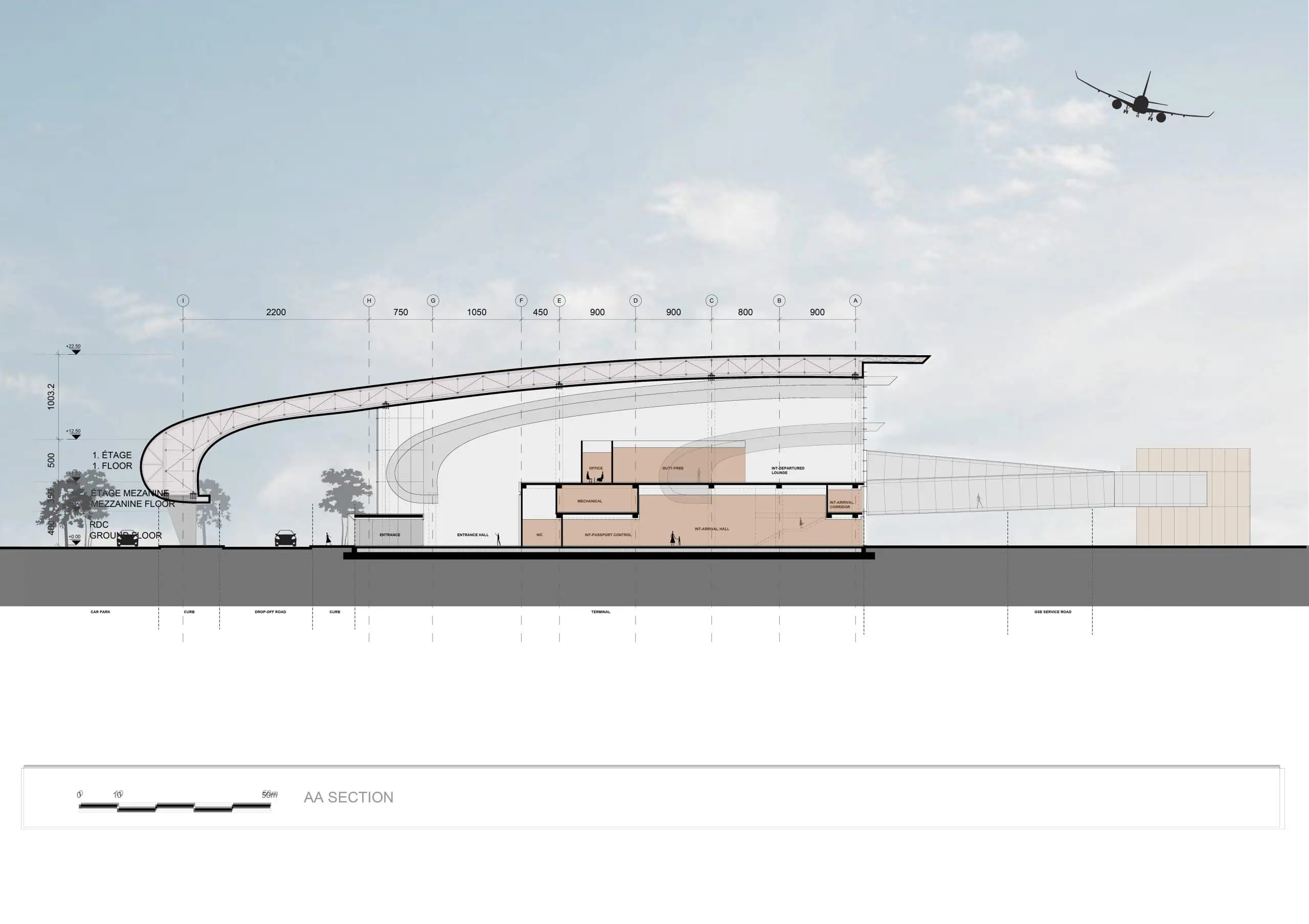
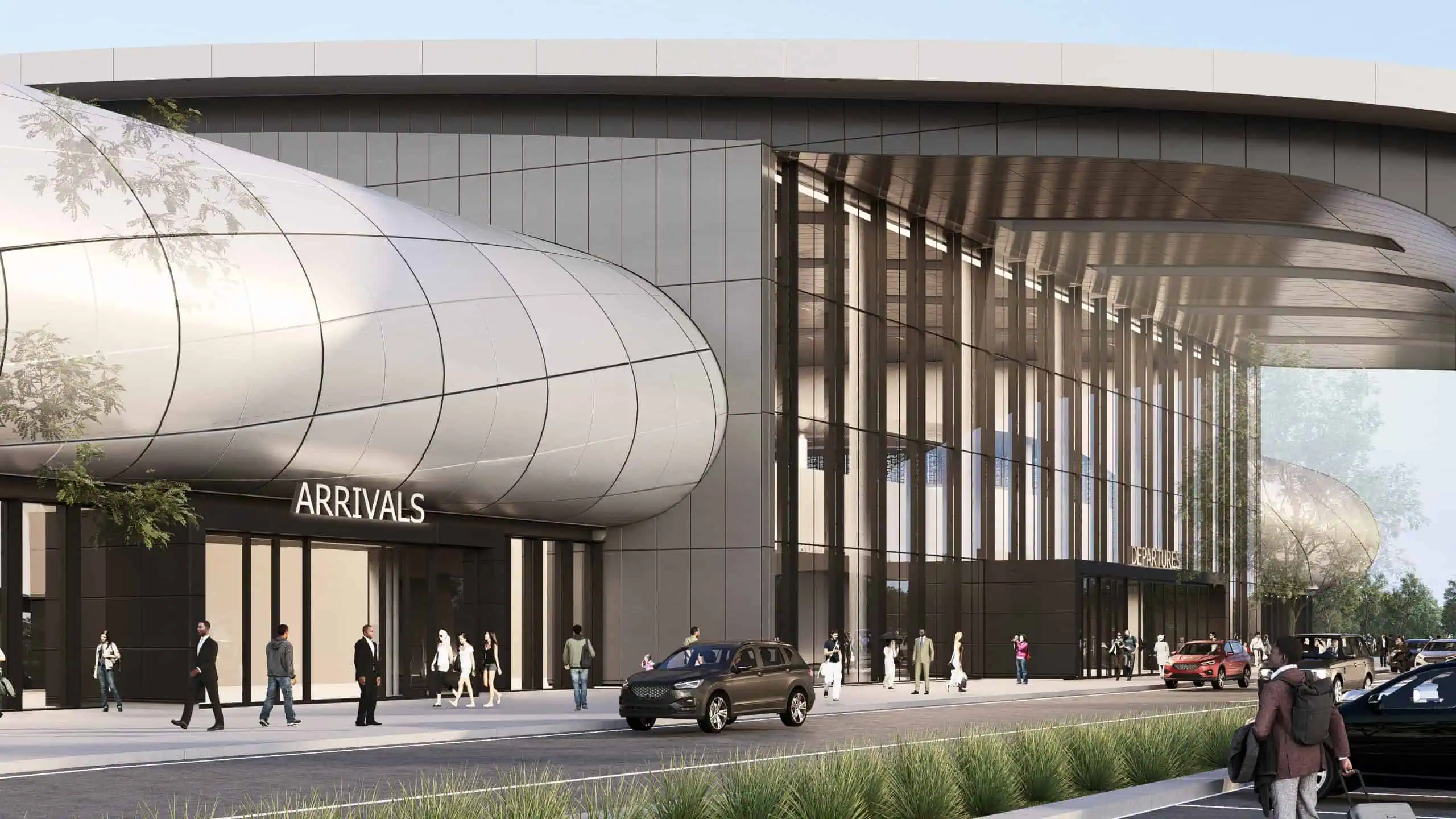
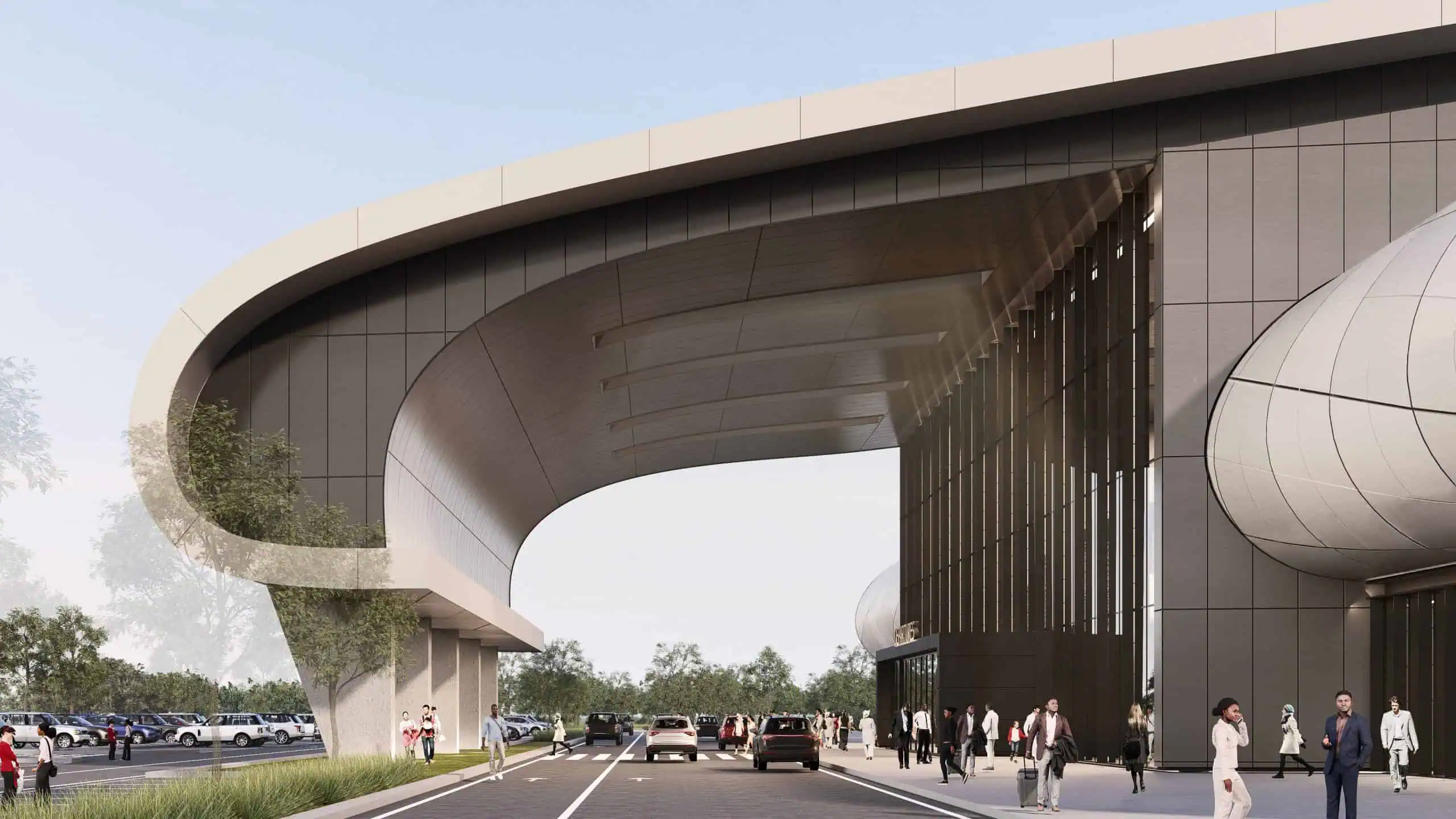
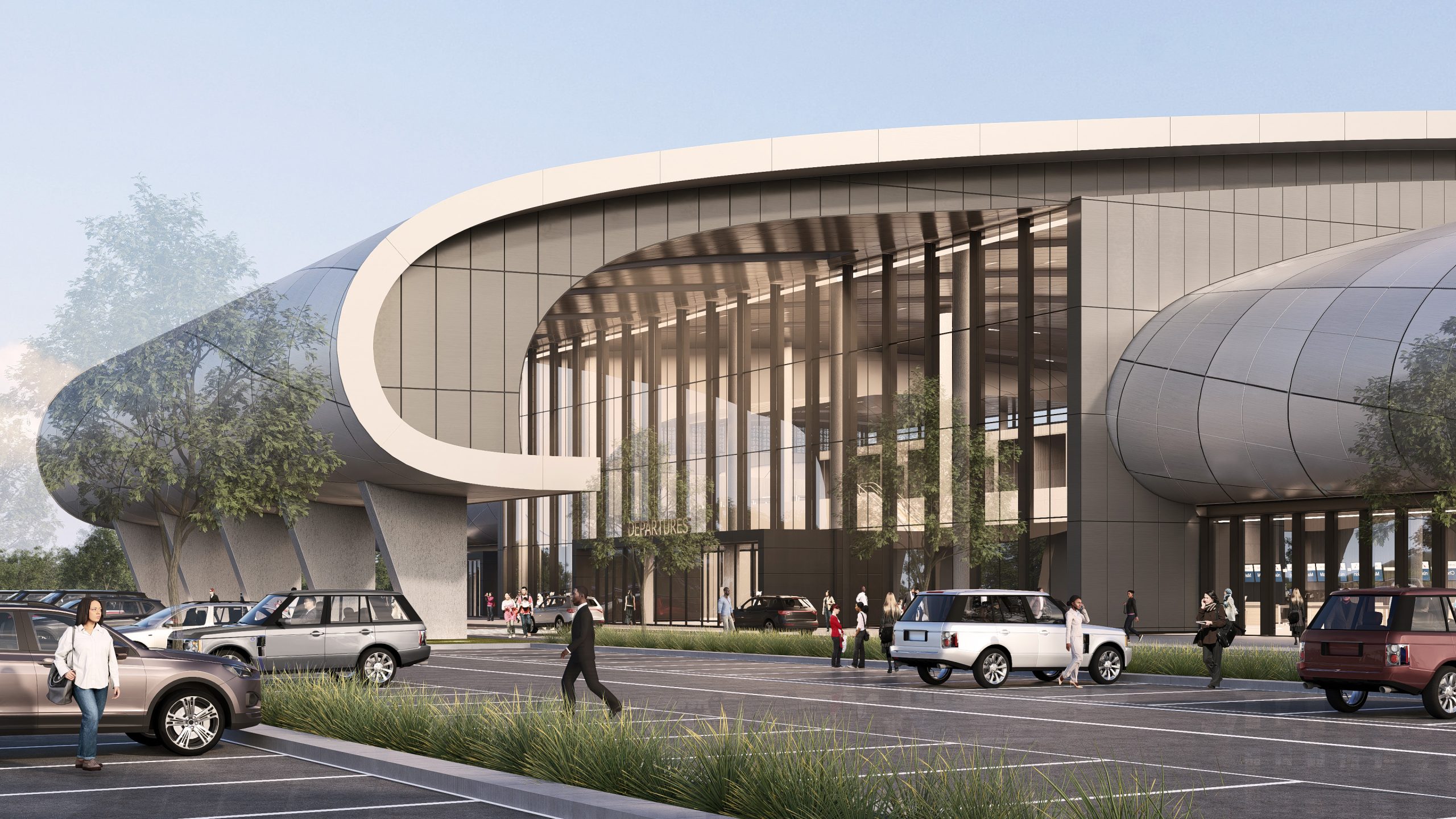
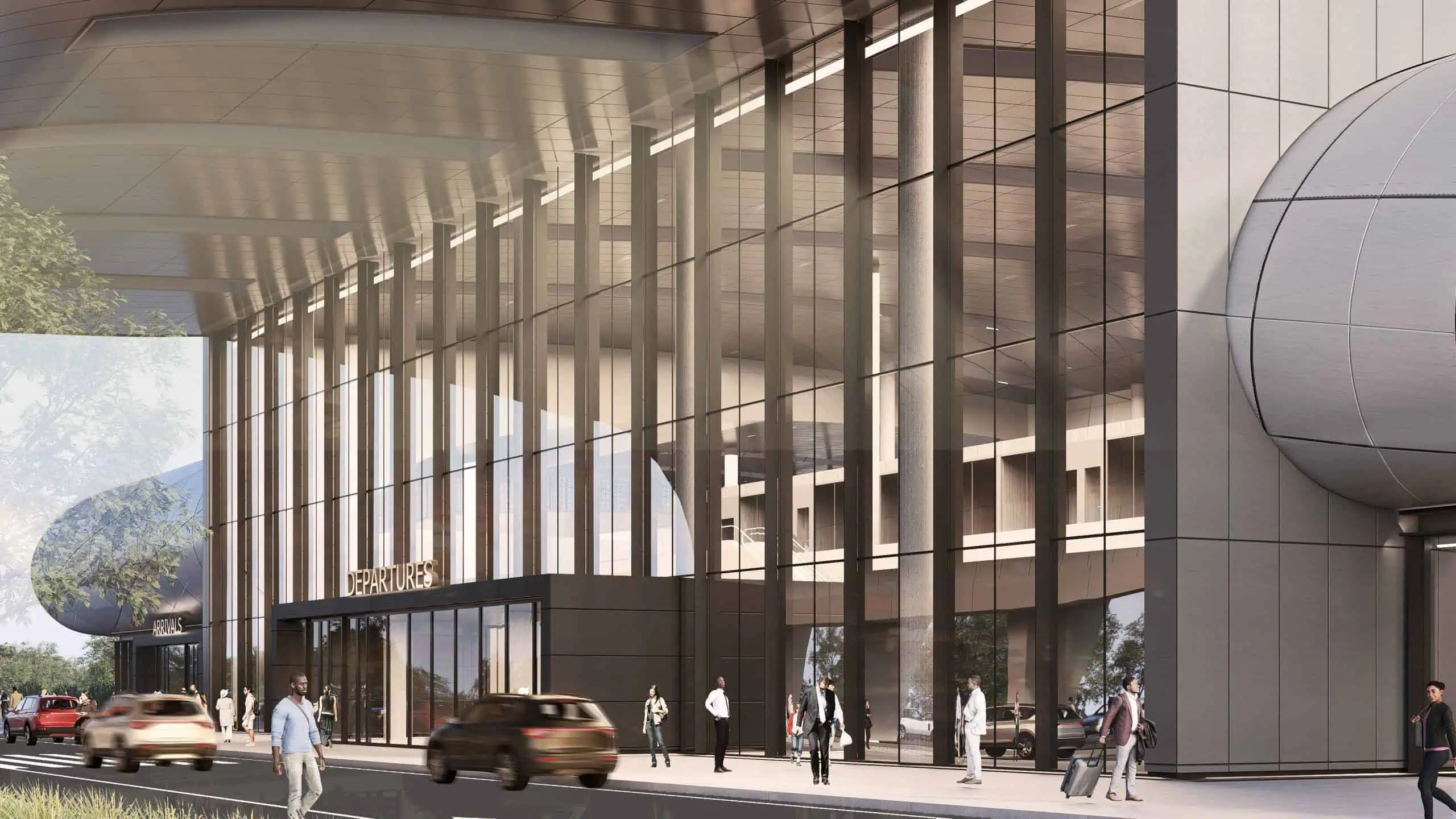
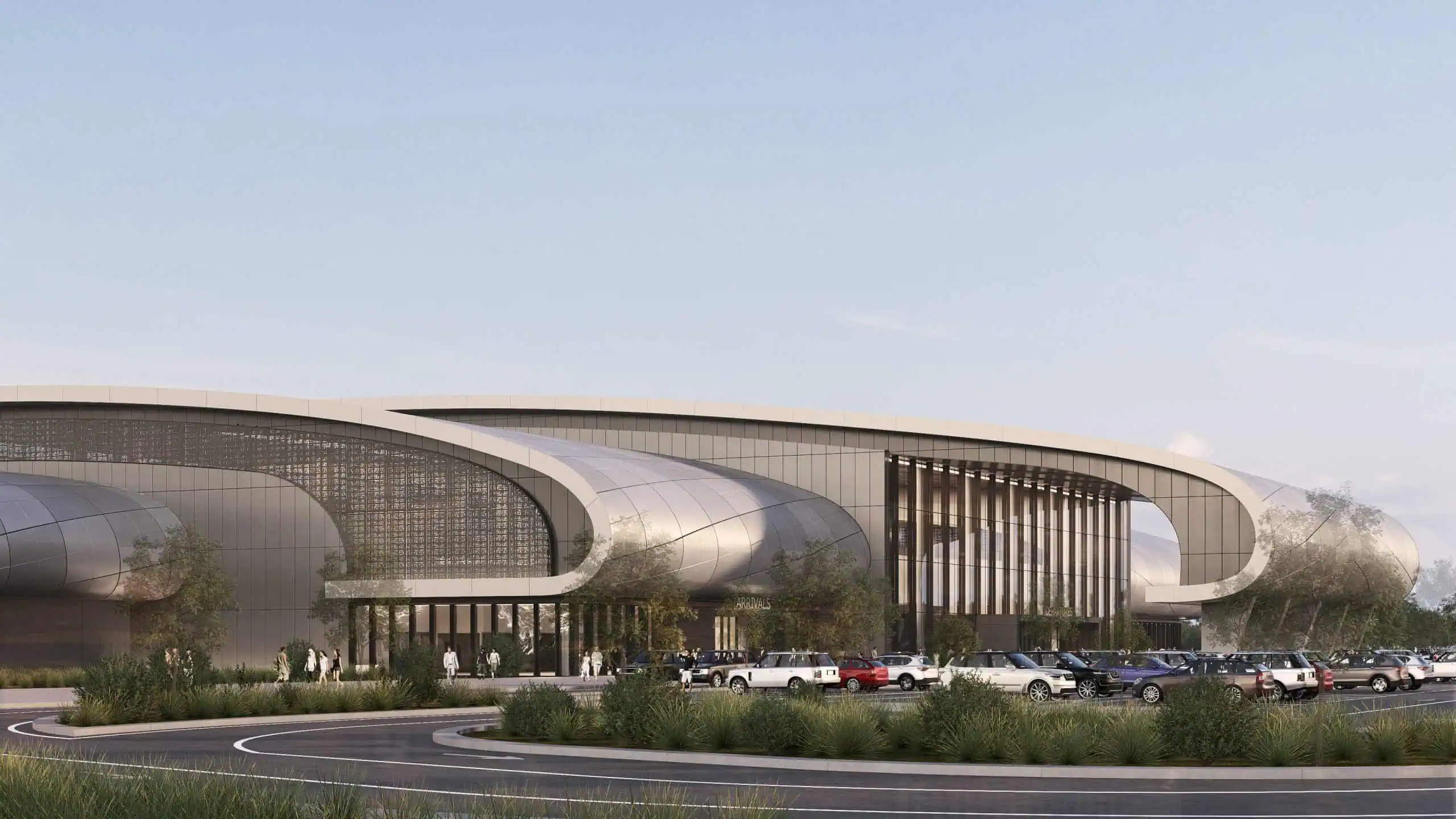
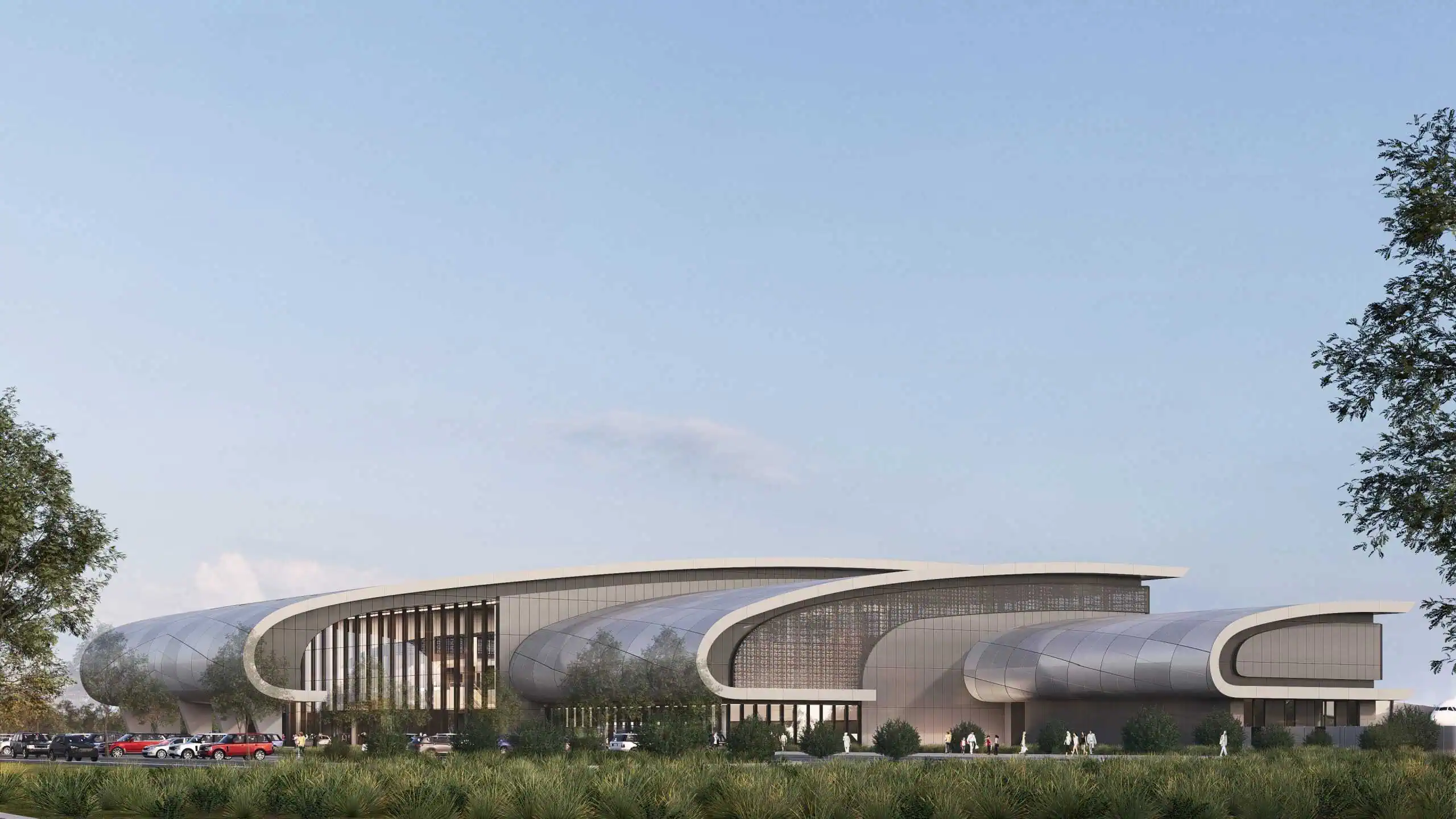
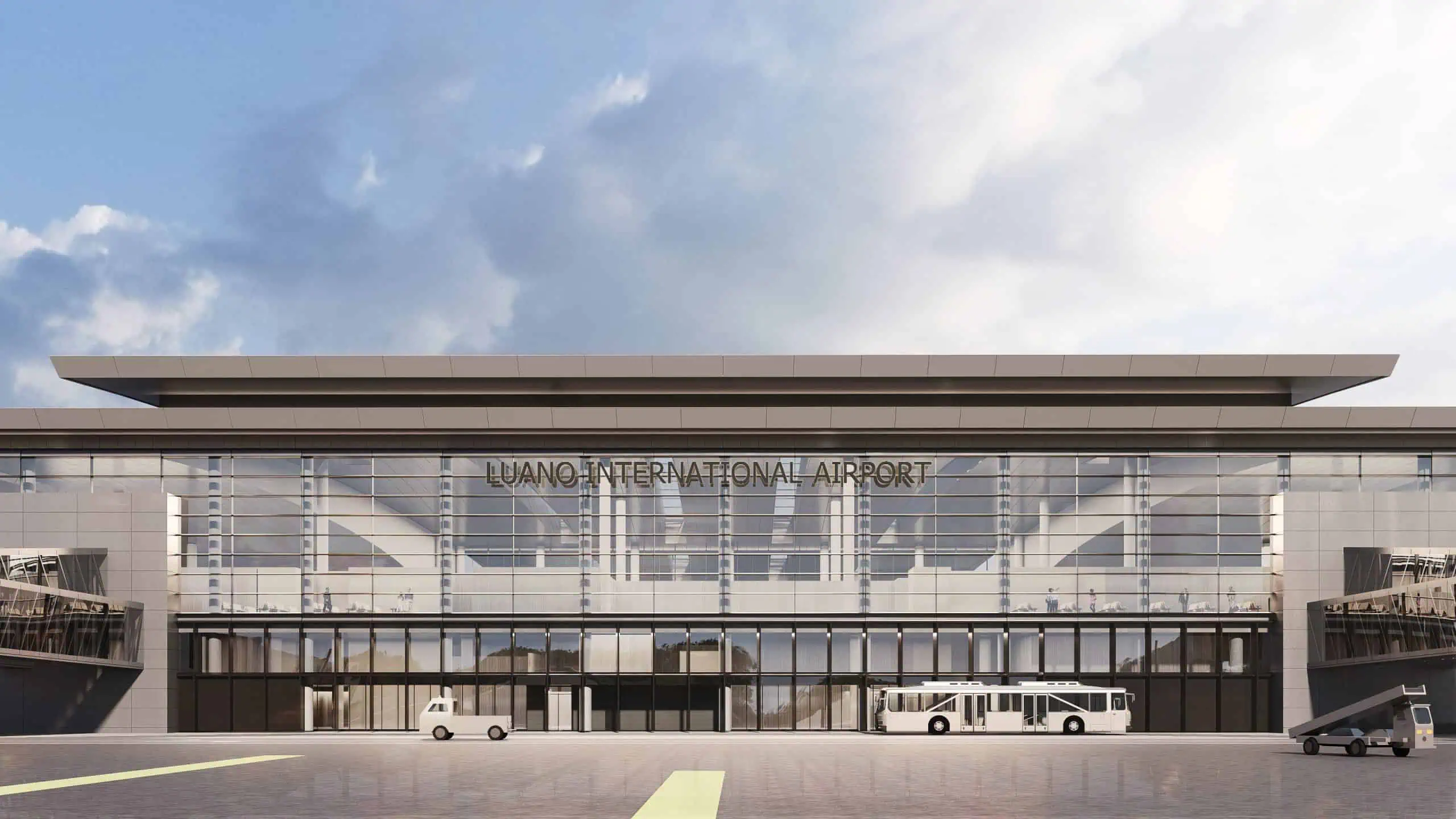
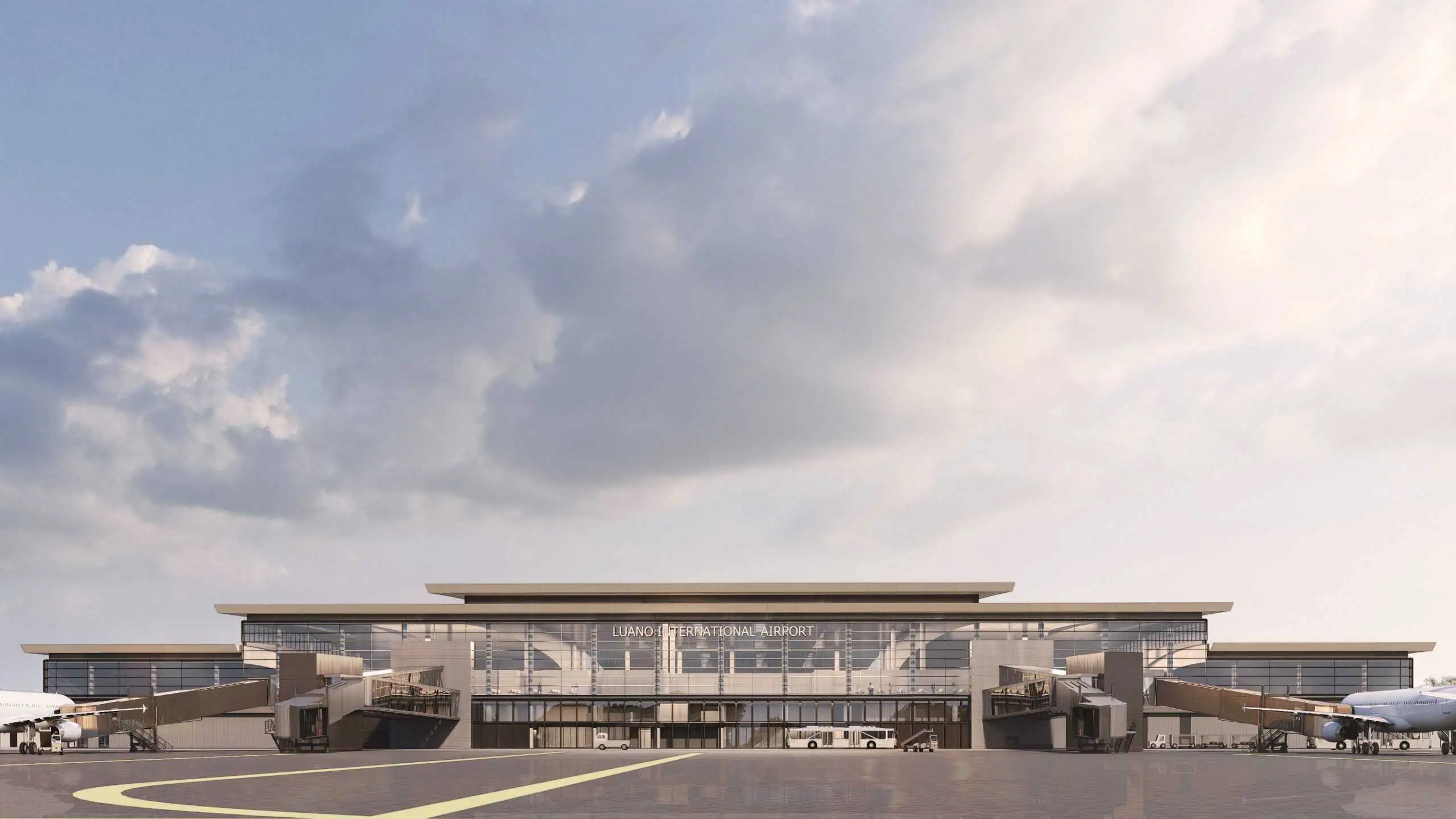
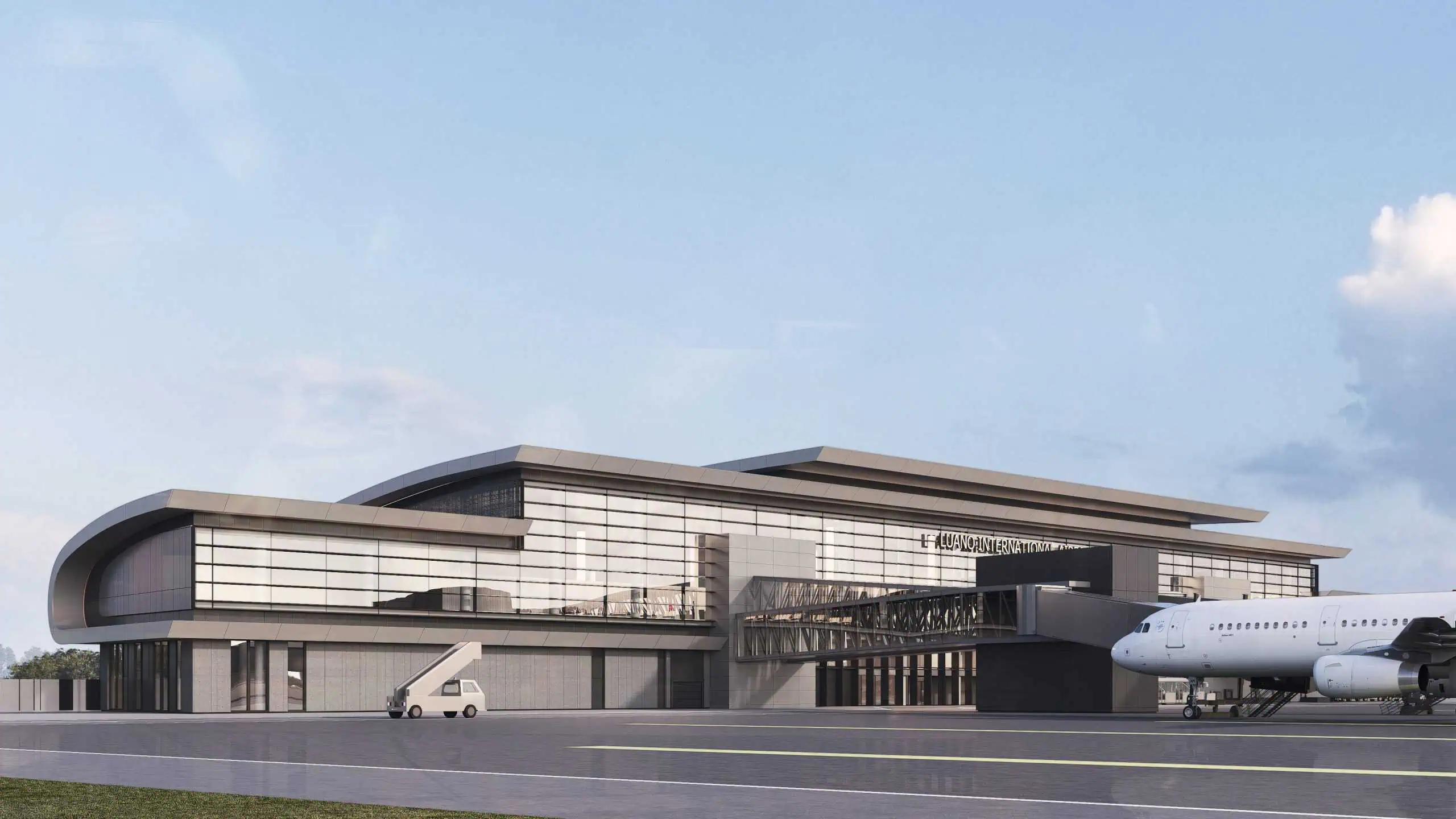

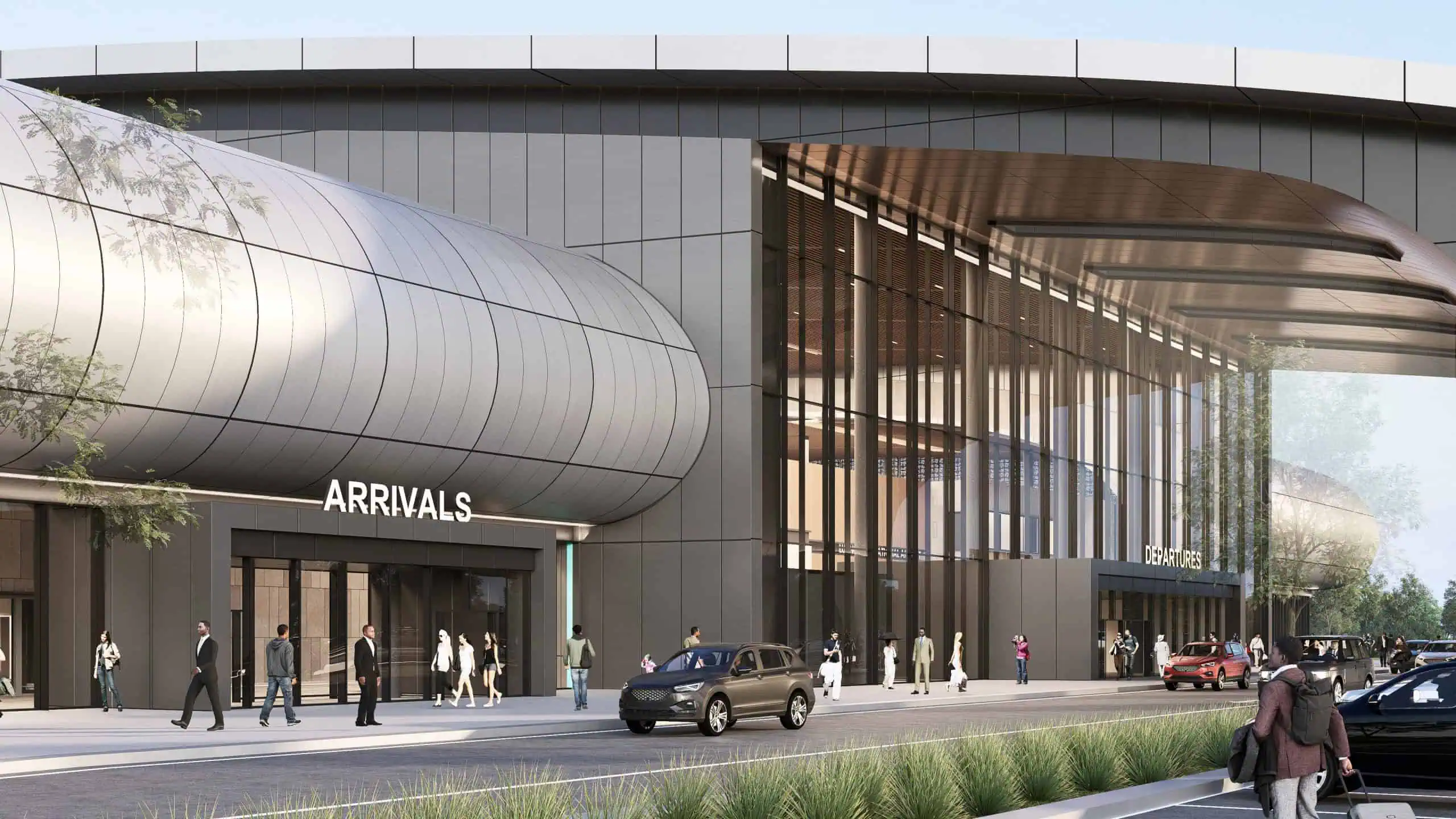
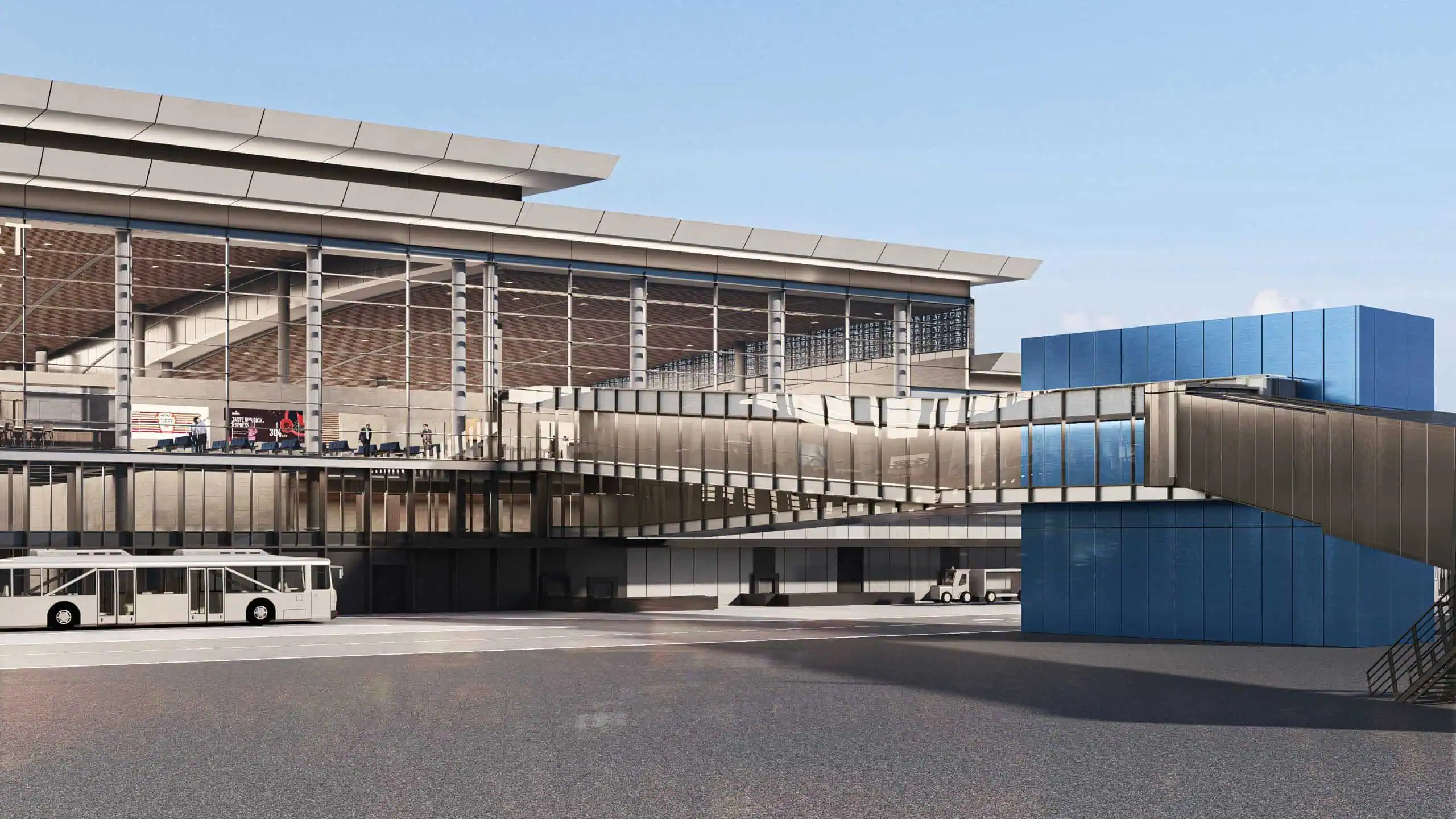
A lightweight, transparent shell defines the terminal’s architectural identity—offering natural light, climatic responsiveness, and a seamless connection between airside activity and interior space.
Architectural Approach: A Holistic Vision Rooted in Sustainability
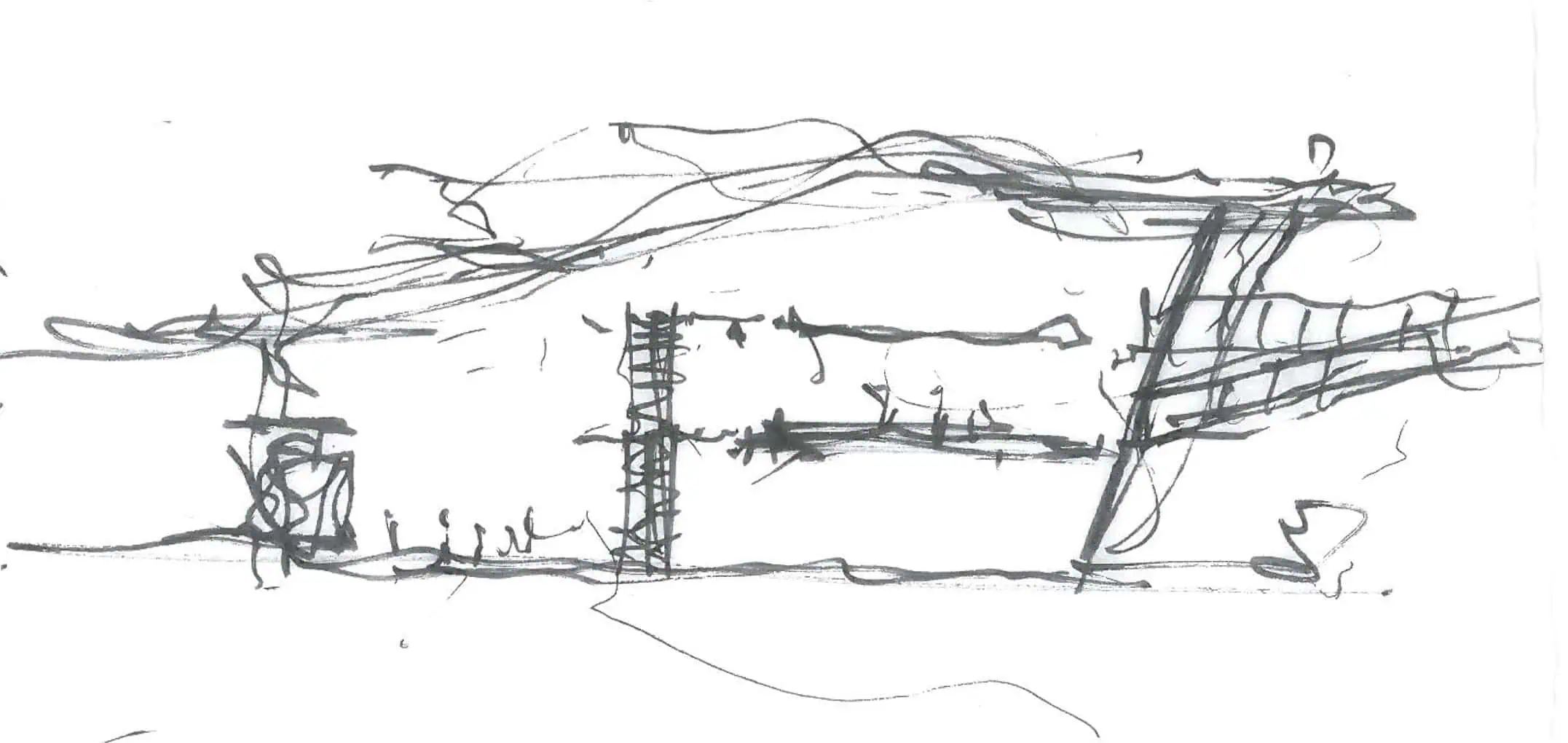
The design of Luano International Airport adopts a holistic architectural vision structured around the “Three E’s” — Economy, Ethics, and Ecology. This framework not only aims to create a high-performance infrastructure, but also fosters a strong emotional and cultural connection to place. Inspired by the goal of establishing a future-proof terminal for the Democratic Republic of the Congo, the project integrates passive design strategies, local values, and scalable operations. The proposal emphasizes long-term adaptability, promoting a lively, user-centered atmosphere that remains responsive to evolving social, economic, and environmental dynamics.
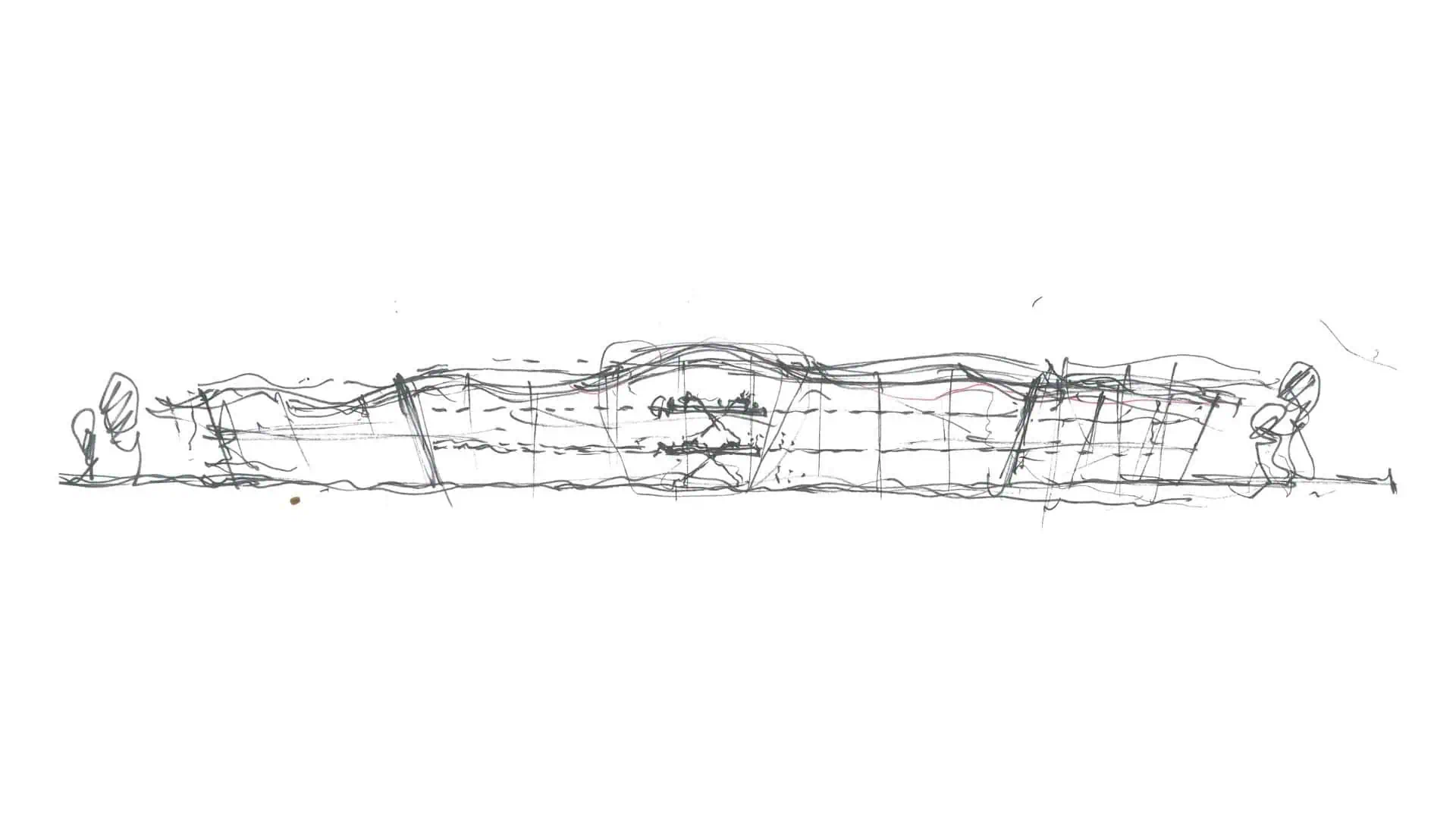
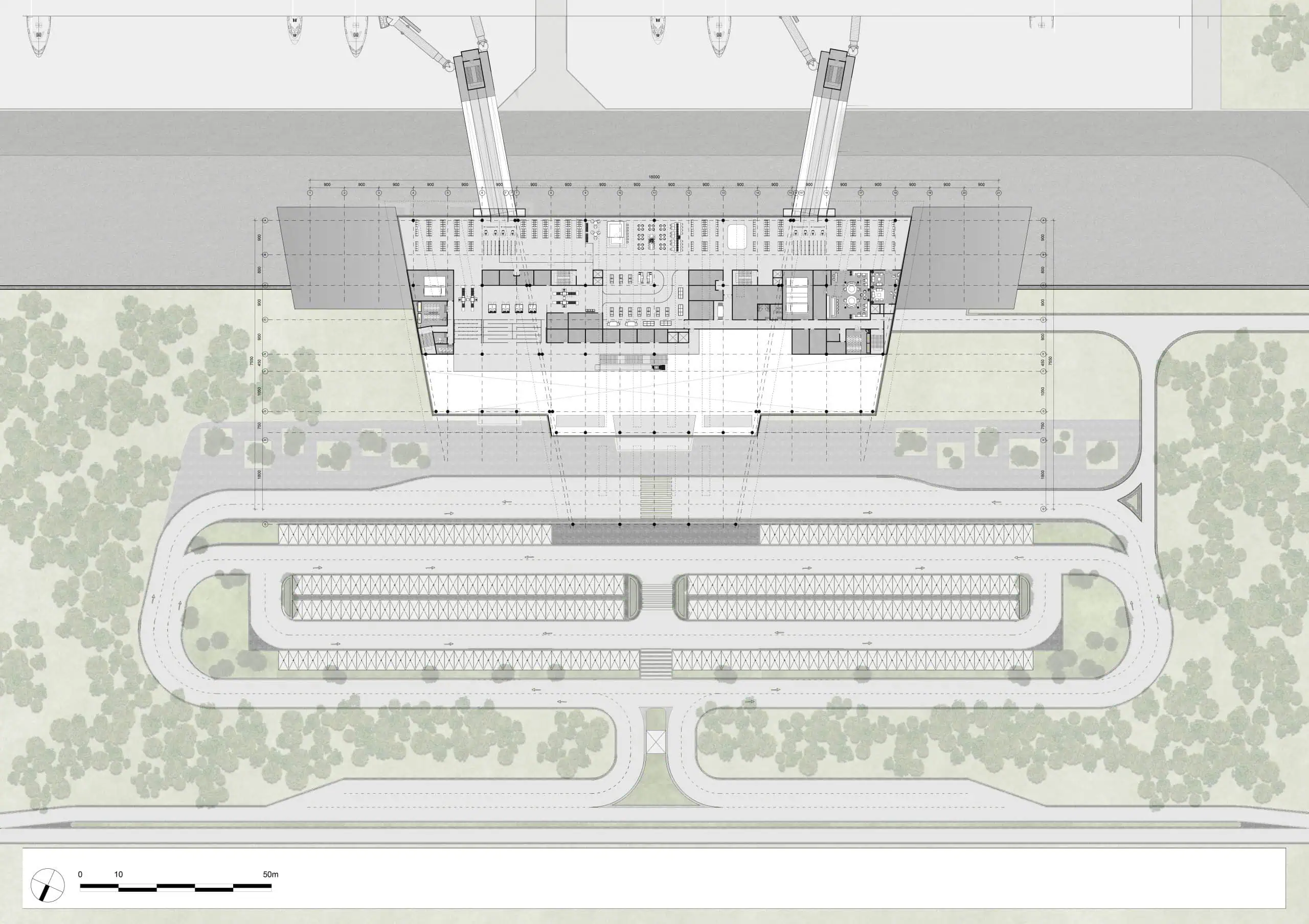
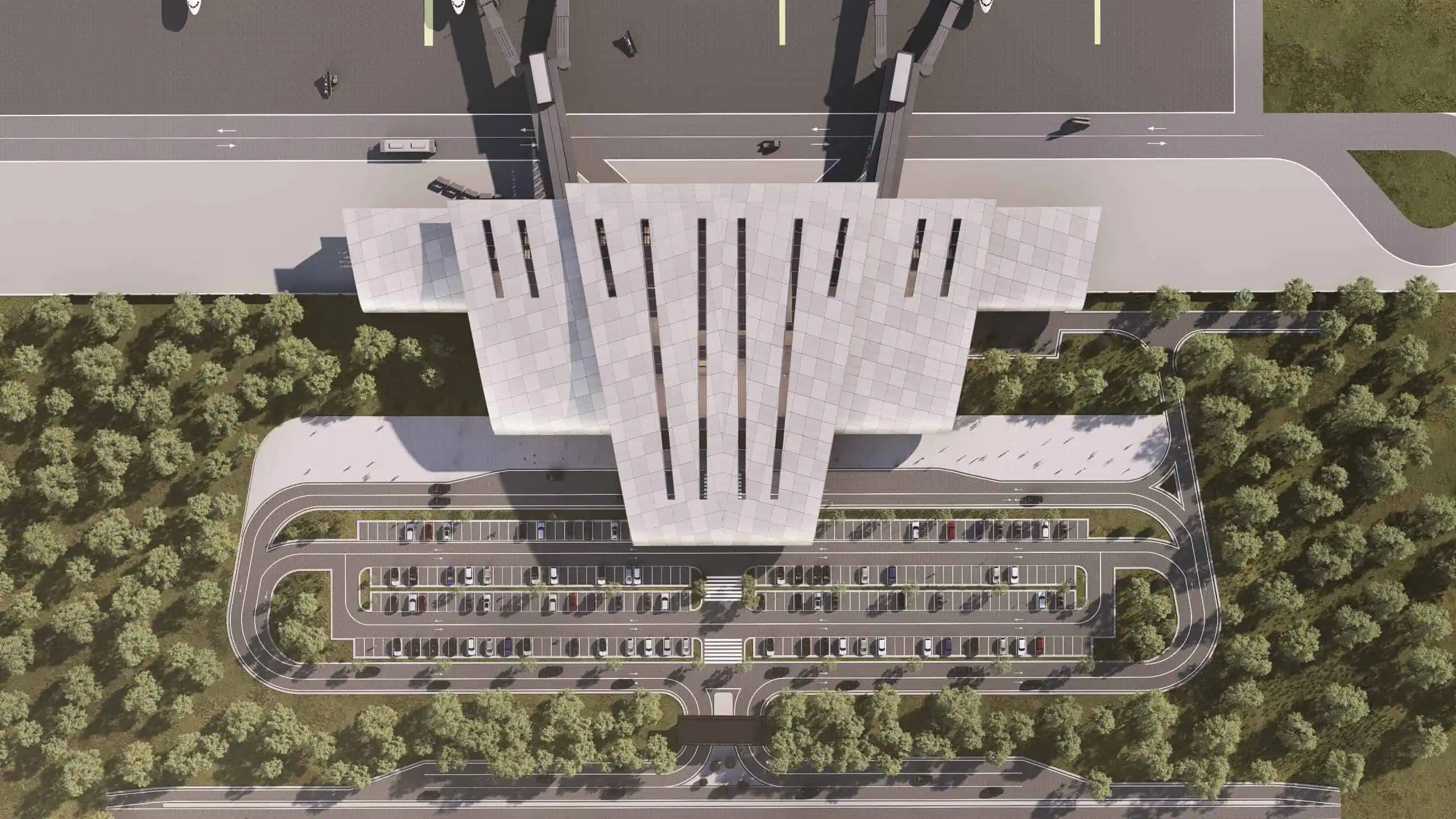
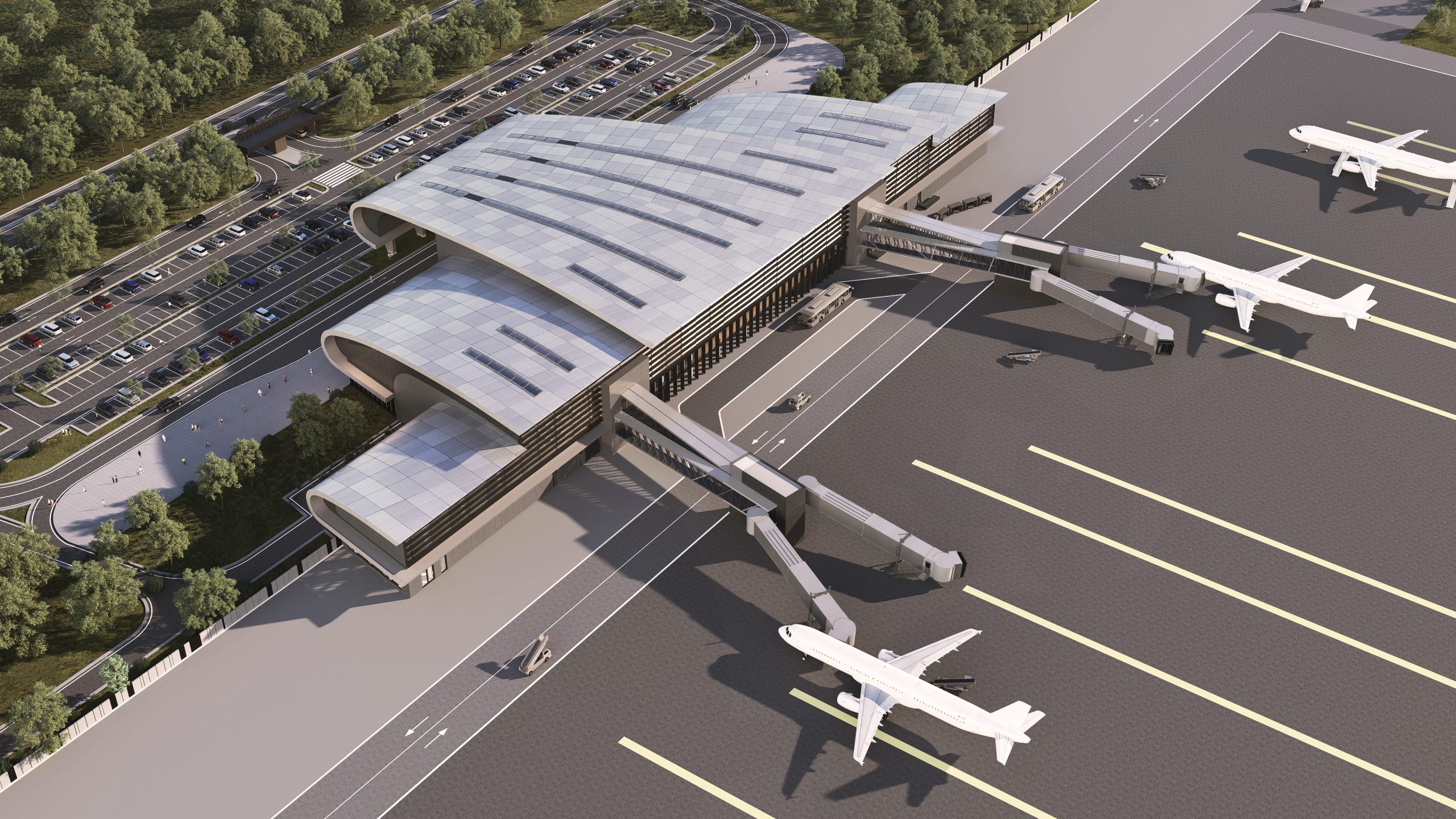
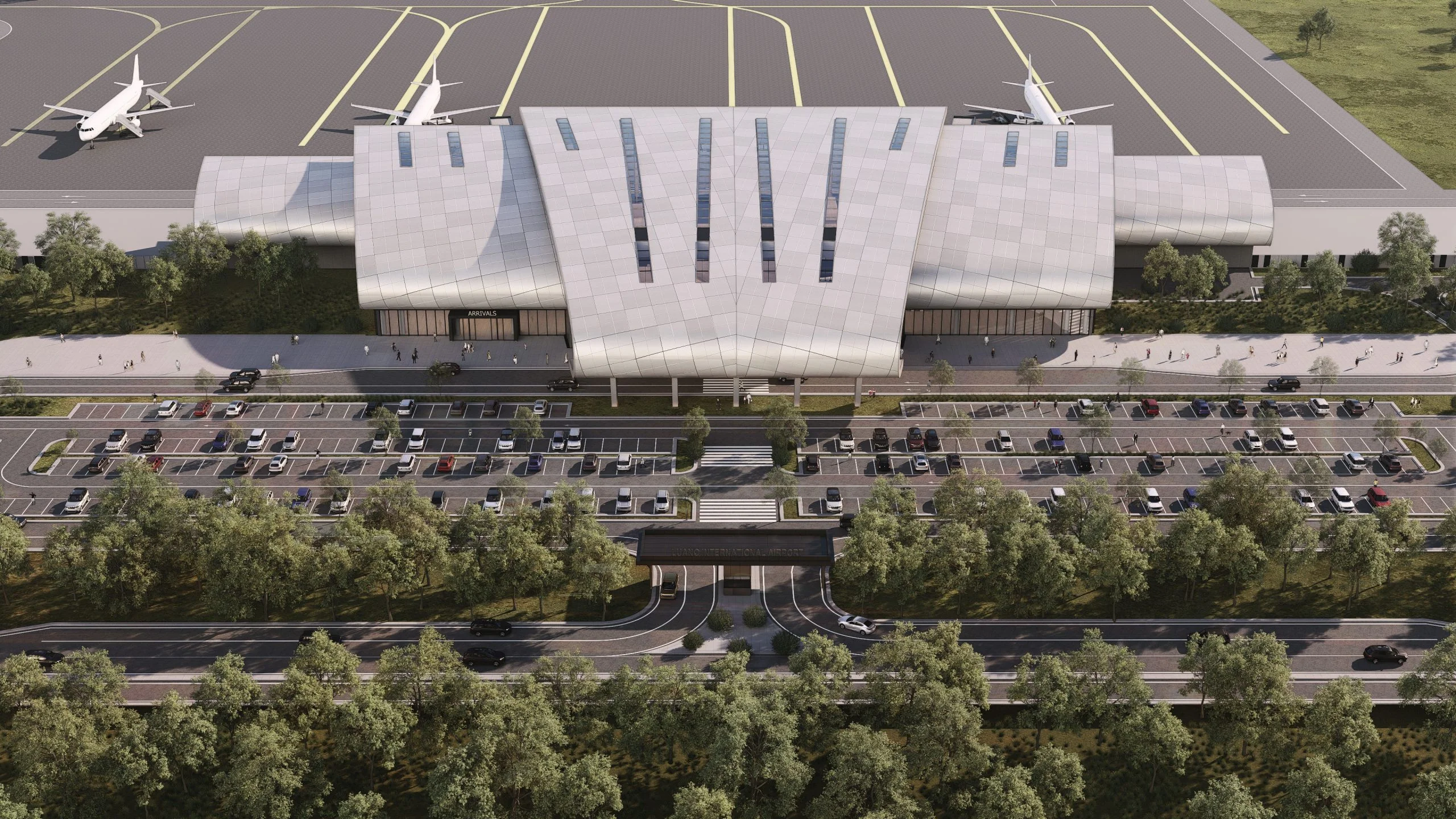
The terminal’s linear configuration, direct apron connection, and fan-shaped parking layout ensure clear circulation, operational efficiency, and a smooth transition between land and air travel.
Spatial Strategy and Terminal Configuration
The spatial organization of Luano International Airport features a clear separation of functions and seamless integration between landside and airside operations. A linear terminal building parallel to the aircraft apron maximizes boarding efficiency, while its central location enables logical circulation and preserves surrounding green buffers. The main access road leads to a 500-vehicle fan-shaped car park with a dedicated drop-off zone, and discreet service roads at the rear provide secure, uninterrupted access for logistics, technical servicing, and F&B operations.
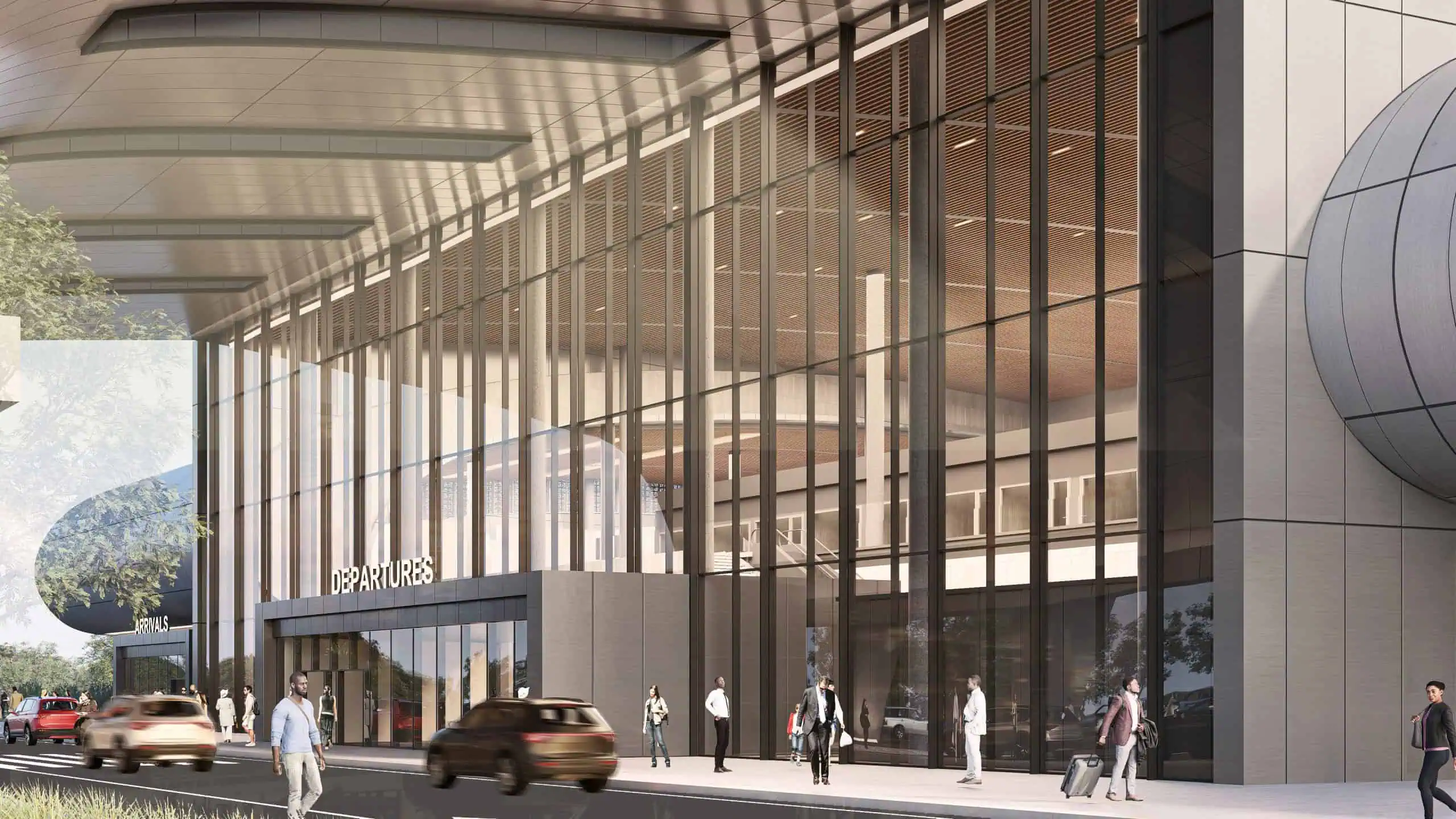
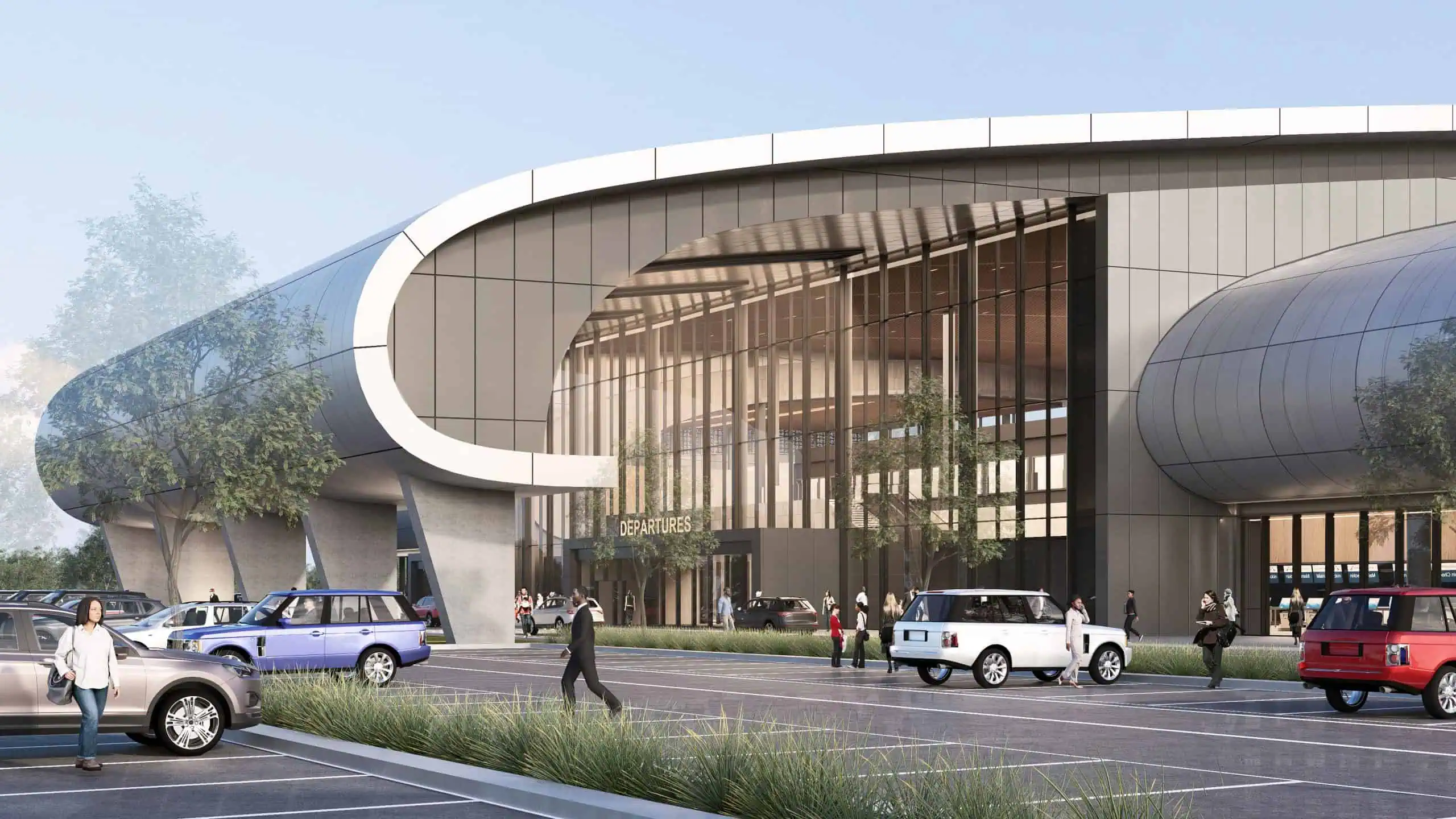
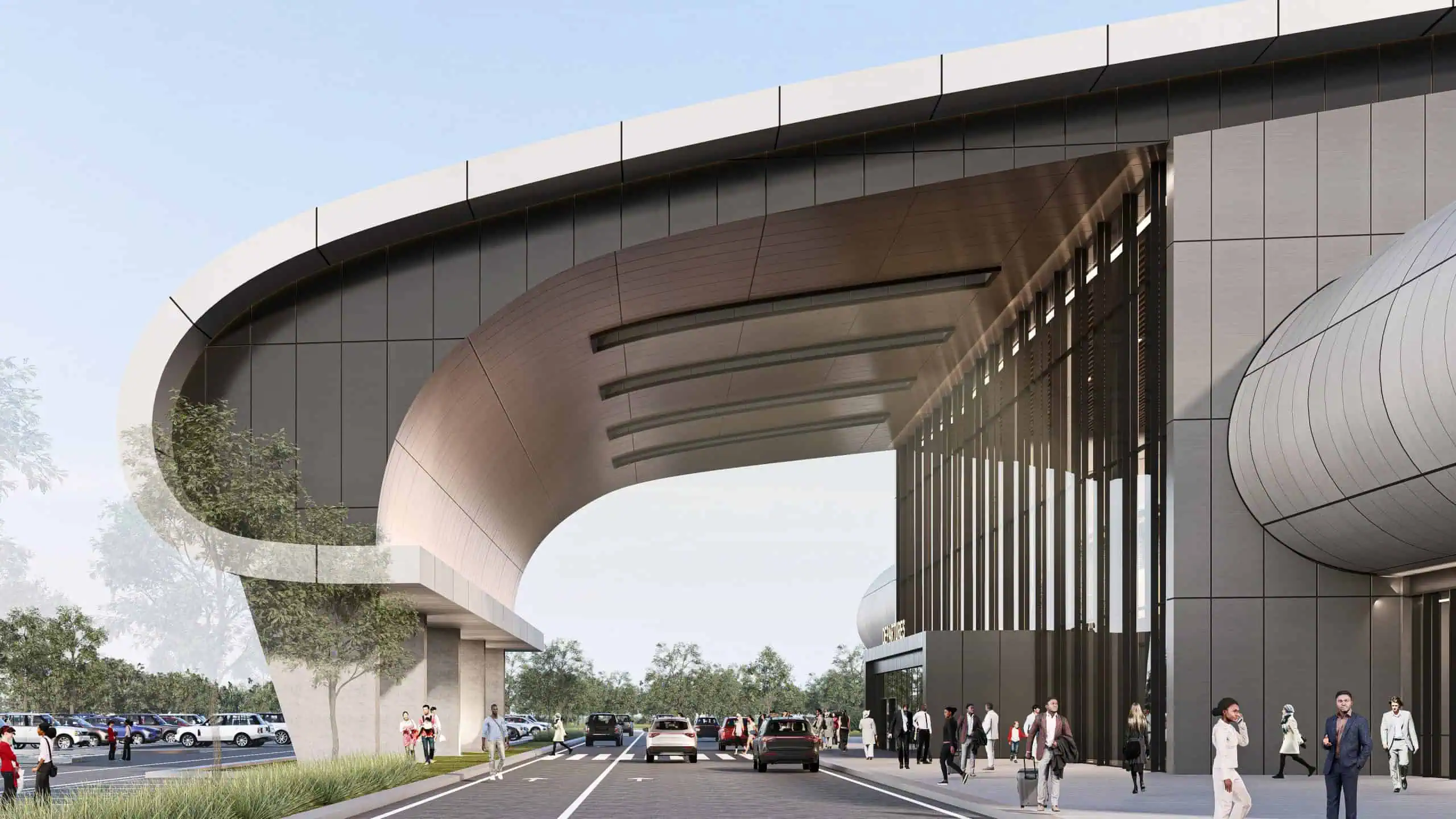
The interior design of Lubumbashi International Airport is shaped by clarity, comfort, and cultural sensitivity.
The spatial hierarchy is defined by fluid transitions between arrival, check-in, and boarding zones—each articulated through natural light, generous ceiling heights, and open sightlines. The central atrium acts as an orienting void, visually connecting multiple levels while enhancing wayfinding.
Material selection balances contemporary expression with regional character. Warm-toned surfaces, filtered daylight, and soft acoustic treatments create a calm and welcoming atmosphere, transforming transit into experience. Duty-free areas and lounges are strategically placed along major circulation paths, allowing moments of pause and engagement without interrupting flow.
Next project
The Dragon of all Dragon
