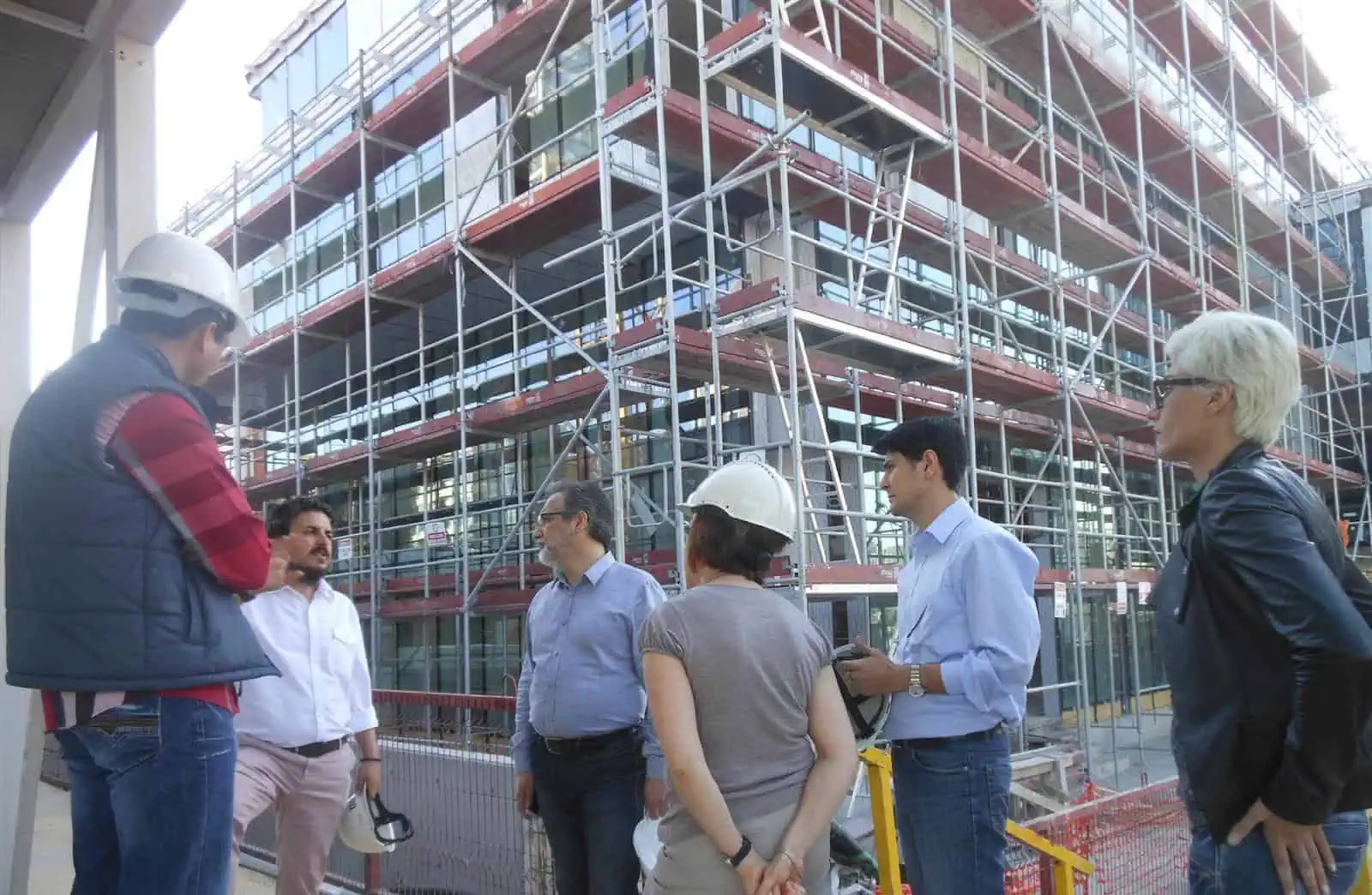
SUSTAINABILITY IN PRACTICE #3: IMPLEMENTING ESG CRITERIA IN CONSTRUCTION
Effective implementation of ESG criteria in the construction sector requires the development of strategic approaches at every stage of projects. This process covers a wide range of areas, from environmental sustainability to social responsibility, from governance to transparency. Below, strategic approaches and reporting methods for implementing ESG criteria in construction projects are discussed.
1. Environmental Sustainability: Green Design and Innovative Technologies
Environmental sustainability is the most visible component of ESG criteria in construction projects. To be effective in this area:
Energy Efficiency: Solutions such as high-efficiency insulation, energy-saving lighting, and HVAC systems should be integrated to reduce buildings’ energy consumption. Renewable energy sources should be prioritized in projects.
Carbon Footprint Reduction: Low-carbon materials should be used, and green construction techniques should be applied to reduce carbon emissions during and after construction.
Water Management: Water-saving systems and recycling technologies support the efficient use of water resources.
Waste Management: Recycling and minimizing construction waste are critical to reducing the environmental impact of projects.
These practices not only protect the environment but also reduce the long-term costs of projects, making them more attractive to investors.
2. Social Responsibility: Contributing to Society and Employee Welfare
Social responsibility is a significant aspect of ESG in the construction sector. To be successful in this area:
Engagement with Local Communities: The needs and expectations of the local community should be considered during the design and construction phases of projects. This includes employing local labor, developing projects that contribute to society, and improving social infrastructure.
Employee Rights and Safety: Protecting the rights of construction workers, ensuring safe working conditions, and adopting equitable policies are critical elements of social responsibility. It is essential to provide employees with fair wages, appropriate working hours, and safe working environments.
Gender Equality: The construction sector should encourage the greater participation of women and implement policies that support gender equality.
These social responsibility strategies ensure that projects are accepted by society and supported by a broader range of stakeholders.
3. Governance and Transparency: Ethical Management and Accountability
Governance, transparency, and ethical management are other critical elements of ESG compliance in construction projects. The strategies to be followed in this area are as follows:
Ethical Standards: Establishing internal ethical rules and strictly enforcing them increase the reliability of construction projects.
Transparent Reporting: Regular and transparent reports should be prepared on the progress of projects and their environmental and social impacts. These reports help investors make informed decisions and reinforce the reliability of the projects.
Board Structure: The independence, expertise, and diversity of board members support the long-term success of companies. A good governance structure ensures the protection of shareholder rights and the achievement of the company’s long-term goals.
4. ESG Reporting: Measuring Performance and Communication
An effective reporting process is essential for evaluating the success of ESG practices and sharing this success with stakeholders. ESG reporting measures companies’ performance in environmental, social, and governance areas and enables investors to assess this performance. Key considerations in the reporting process include:
Comprehensive Data Collection: Collecting and analyzing data on environmental impacts, social responsibility initiatives, and governance processes.
Regular Reporting: Publishing ESG performance reports at regular intervals (annually or semi-annually). These reports show how projects are meeting their sustainability goals.
Compliance with International Standards: ESG reports should be prepared in accordance with internationally recognized standards and frameworks (e.g., GRI or SASB). This increases the reliability and comparability of the reports.
In conclusion, implementing ESG criteria in the construction sector not only enhances the sustainability of projects but also increases their appeal to investors. Effective ESG strategies and transparent reporting both increase competitiveness in the sector and guarantee the long-term success of projects.
References
Krishnamoorthy, R. (2021). Environmental, Social, and Governance (ESG) Investing: Doing Good to Do Well. Open Journal of Social Sciences, 9(7), 2021.
United Nations Global Compact. (2004). Who Cares Wins: Connecting Financial Markets to a Changing World. United Nations.
United Nations Principles for Responsible Investment (PRI). (2006). Principles for Responsible Investment. United Nations. https://www.unpri.org/pri
Global Reporting Initiative (GRI). Sustainability Reporting Standards. https://www.globalreporting.org/
SASB – Sustainability Accounting Standards Board. Sustainability Accounting Standards. https://www.sasb.org/
World Economic Forum. (2020). Measuring Stakeholder Capitalism: Towards Common Metrics and Consistent Reporting of Sustainable Value Creation. https://www.weforum.org/reports/measuring-stakeholder-capitalism-towards-common-metrics-and-consistent-reporting-of-sustainable-value-creation
World Green Building Council. The Business Case for Green Building. https://www.worldgbc.org/business-case
International Finance Corporation (IFC). (2012). Performance Standards on Environmental and Social Sustainability. https://www.ifc.org/wps/wcm/connect/topics_ext_content/ifc_external_corporate_site/sustainability-at-ifc/policies-standards/performance-standards