IDEAS EVOLVE COLLECTIVELY: CHARRETTE, NEOM BAY AIRPORT
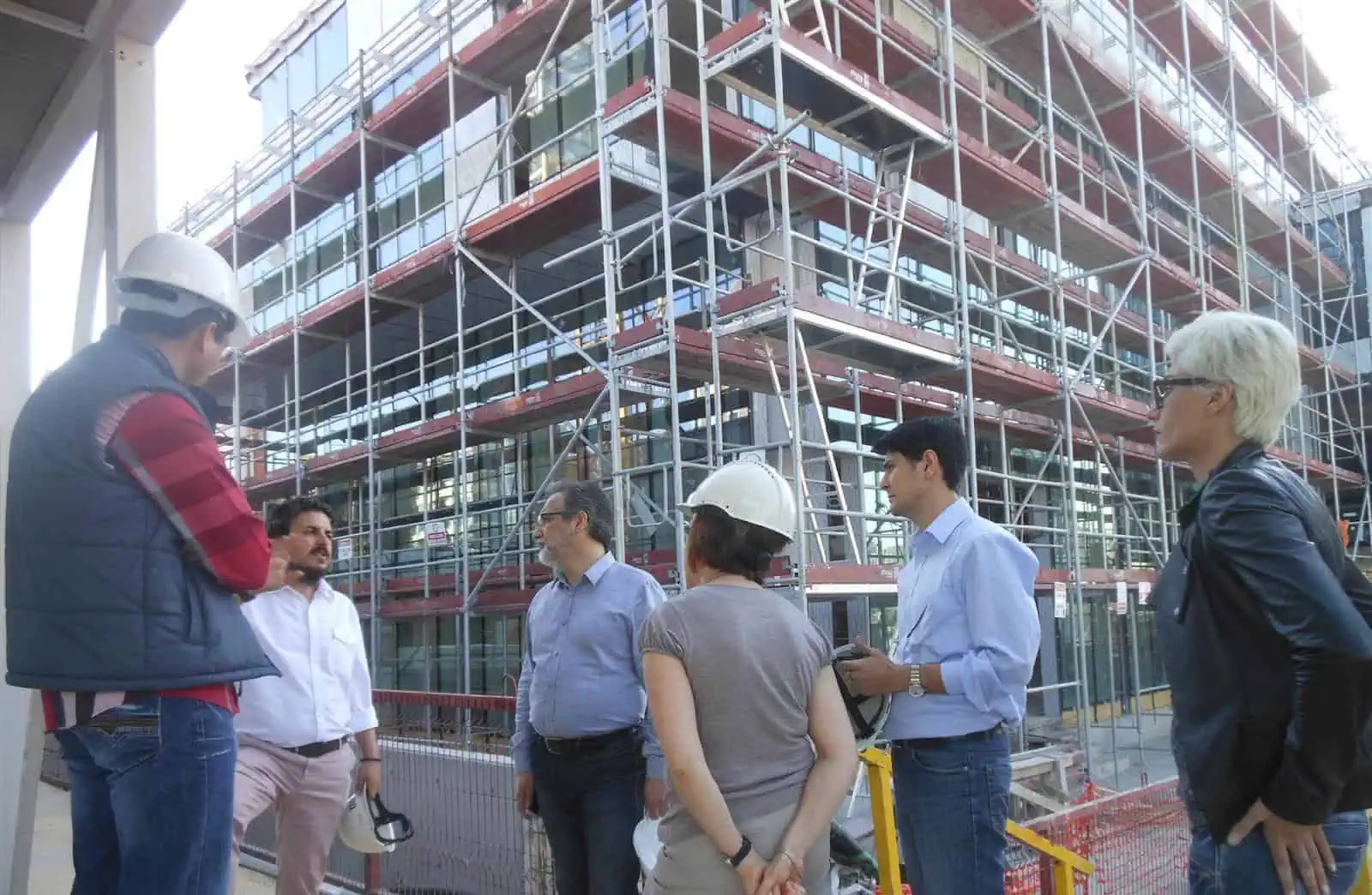
At the heart of Avcı Architects’ design methodology lies a culture of charrette—one of the most deeply rooted values the office has developed over the years. For us, a charrette is not merely a tool for generating ideas; it is a collaborative design process that brings together different disciplines, levels of experience, and areas of expertise to shape architecture collectively. Within this structure, every team member’s contribution is valued equally, regardless of title. An intern’s intuitive proposal and a senior architect’s strategic vision meet at the same design table and evolve together. This culture of co-creation nourishes creativity, encourages ownership among project stakeholders, and allows for the development of sustainable solutions at every scale.
One of the strongest reflections of this approach is the NEOM Bay Airport Terminal, designed as the first point of arrival for Saudi Arabia’s visionary megacity, NEOM. Conceived not just as a transportation facility, the terminal was designed as a place of encounter and experience for the city of the future. Encompassing a total area of 1,107 m², the structure places a natural oasis at its core as part of a biophilic design strategy, with the VIP lounge, prayer areas, kitchen, offices, and service units arranged around this central space. Key parameters such as sustainability, wayfinding, interior comfort, user flow, and material language were explored collaboratively during a series of multidisciplinary charrette sessions at Avcı Architects’ Istanbul studio.
The process yielded a wide range of creative design directions, showcasing the diversity of ideas generated within the office, and were documented under the title “CHARETTE SELECTED PROJECTS” in the project presentation:
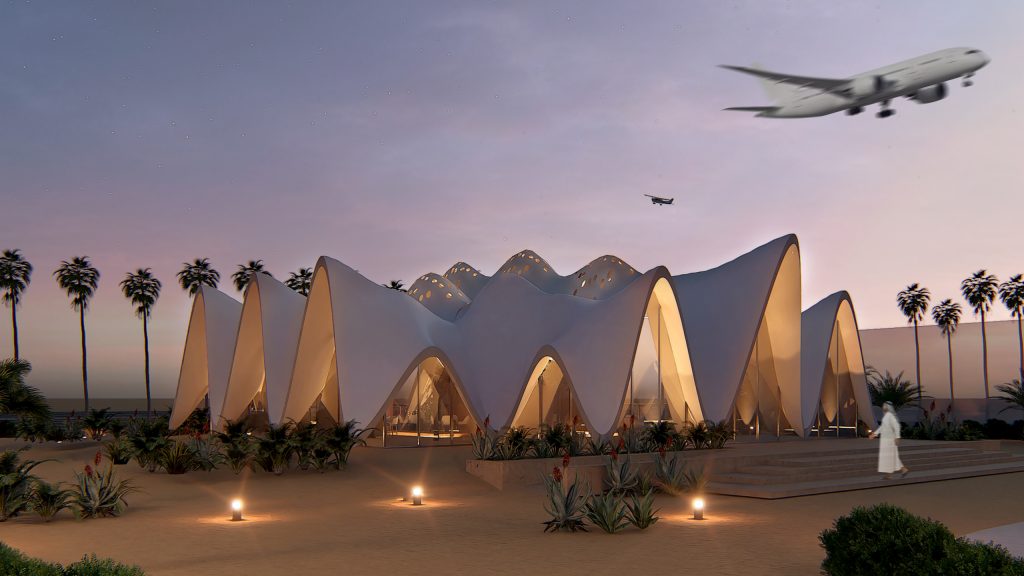
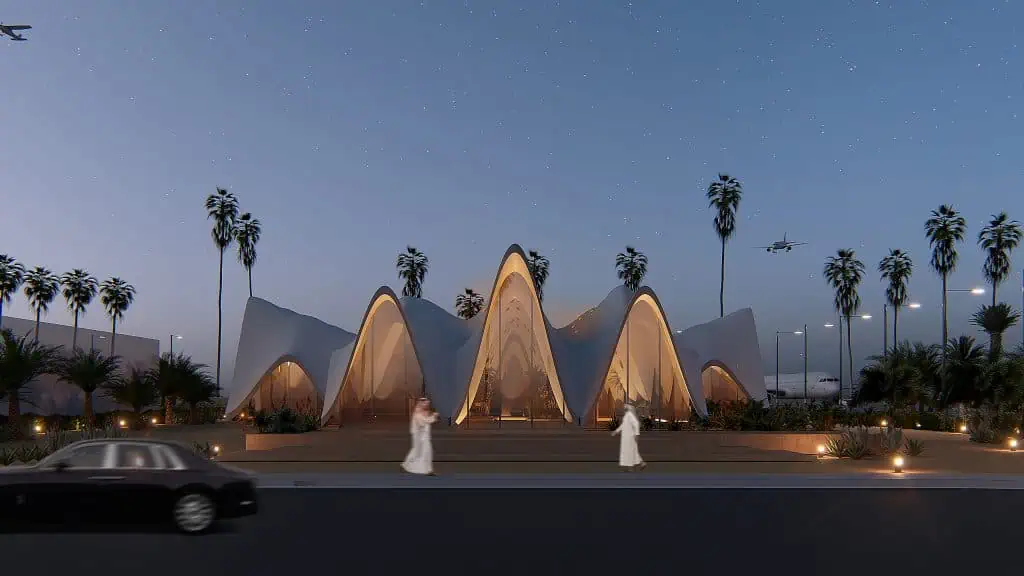
Sand Dune
Designed by Pınar Kahya – Architect
This proposal was inspired by the undulating geological formations surrounding NEOM and was built around a modular building system integrated into the topography. Each module could expand or contract depending on needs, generating fluid spaces gathered around a central oasis. Skylights filtered daylight into the interior, creating a dynamic atmosphere that shifted throughout the day. The design envisioned the space as a living organism—both functional and experiential.
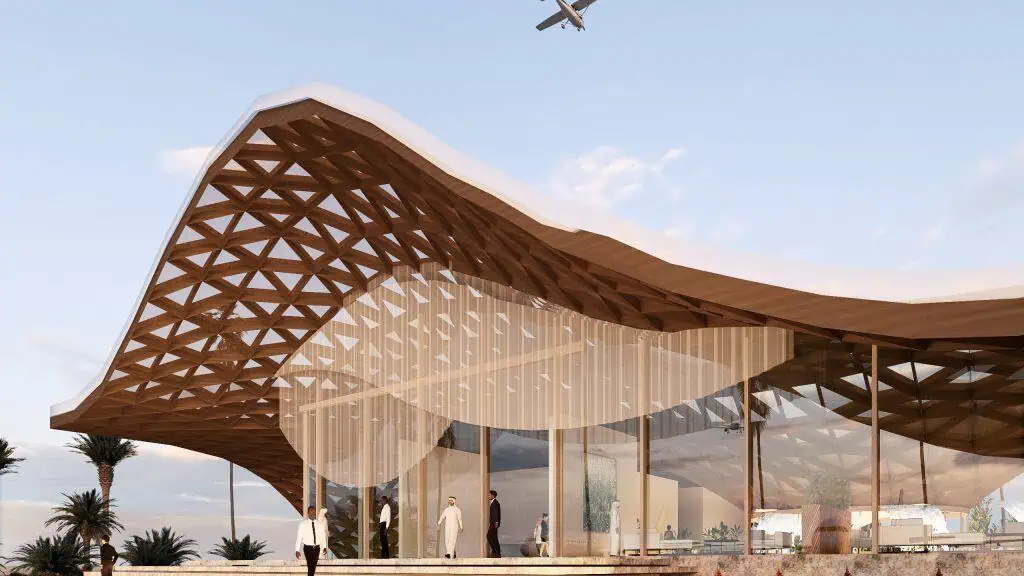
Oasis Shell
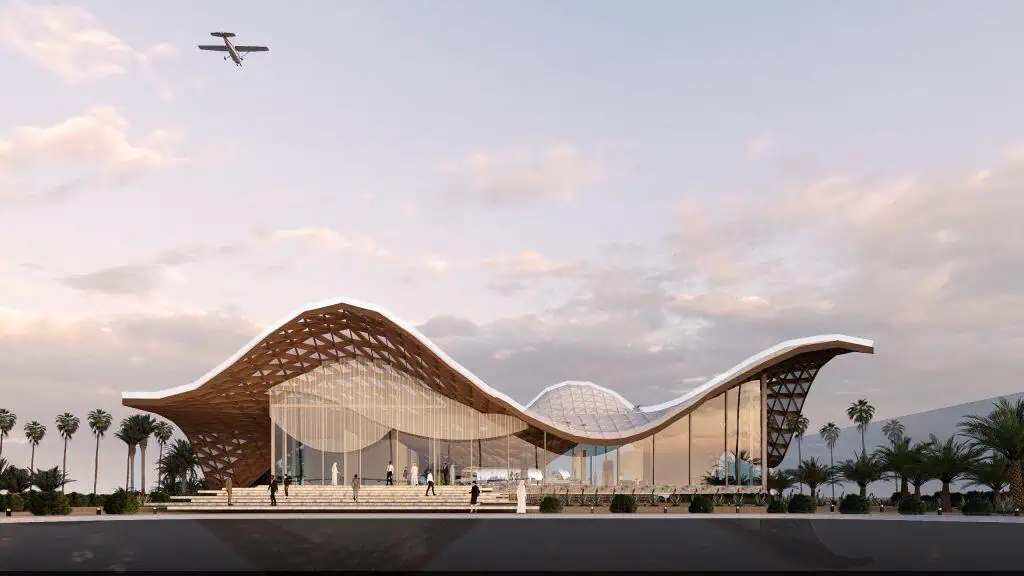
Designed by Duygu Yıldız – M.Sc Architect
Developed as a shell-like architectural form evocative of nature, this proposal featured a timber lattice structure combined with a semi-permeable membrane roof, offering both passive climate control and strong visual identity. The shaded and cool microclimate beneath enhanced comfort, while sunlight filtered through the membrane enriched the spatial atmosphere. The approach embodied NEOM’s aspiration to unite ecological sensitivity with technological innovation.
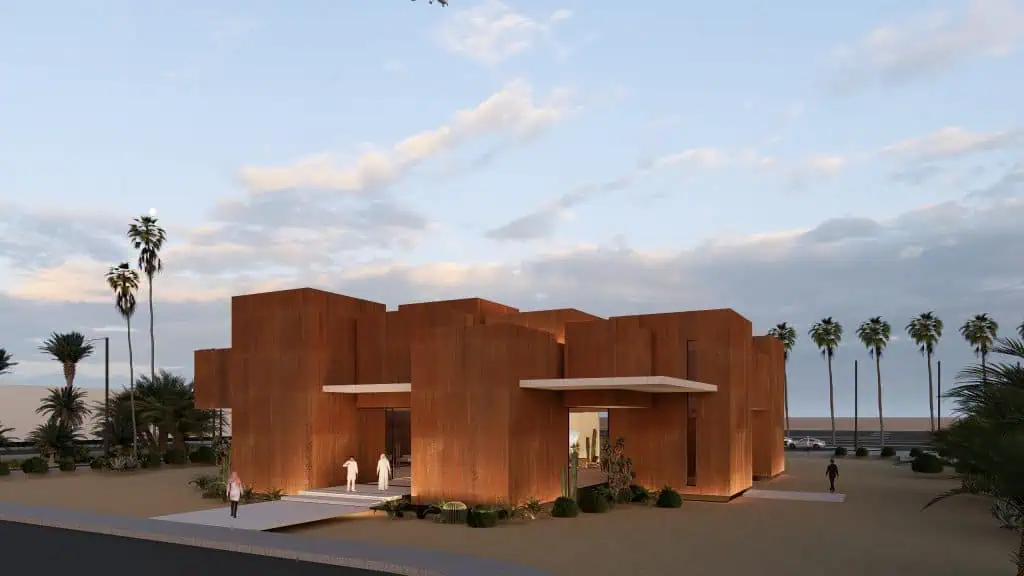
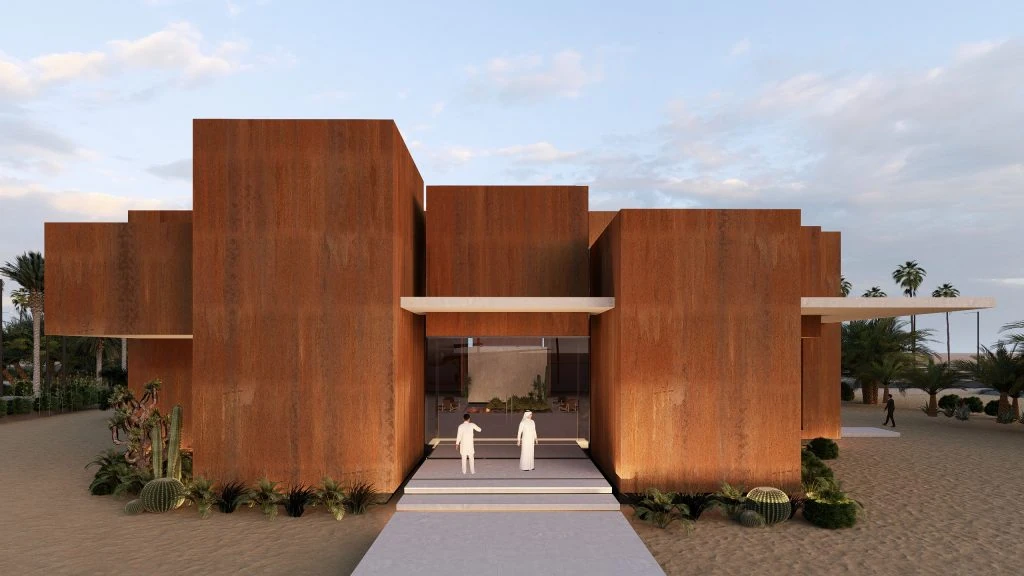
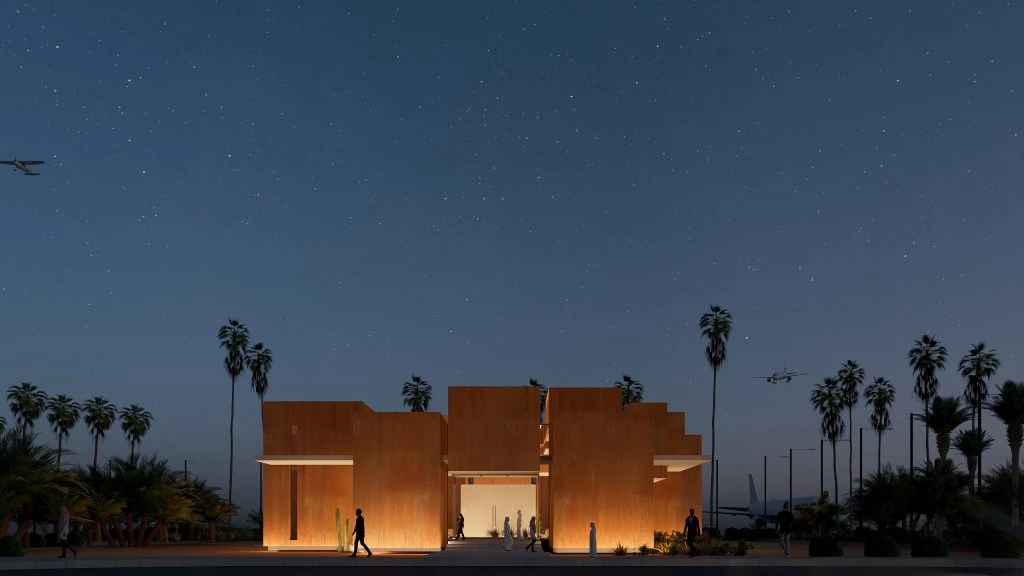
Inward
Designed by Nur Özlem Kale – Architect
This inward-looking proposal emphasized privacy and interiority, offering a spatial configuration protected from external climate conditions. A central courtyard functioned not only as a circulation core but also as a serene social hub for pause and gathering. Enclosed by a thick outer skin filtering heat and light, the project created a controlled interior world. Minimal massing and timeless materiality gave the design a grounded identity.
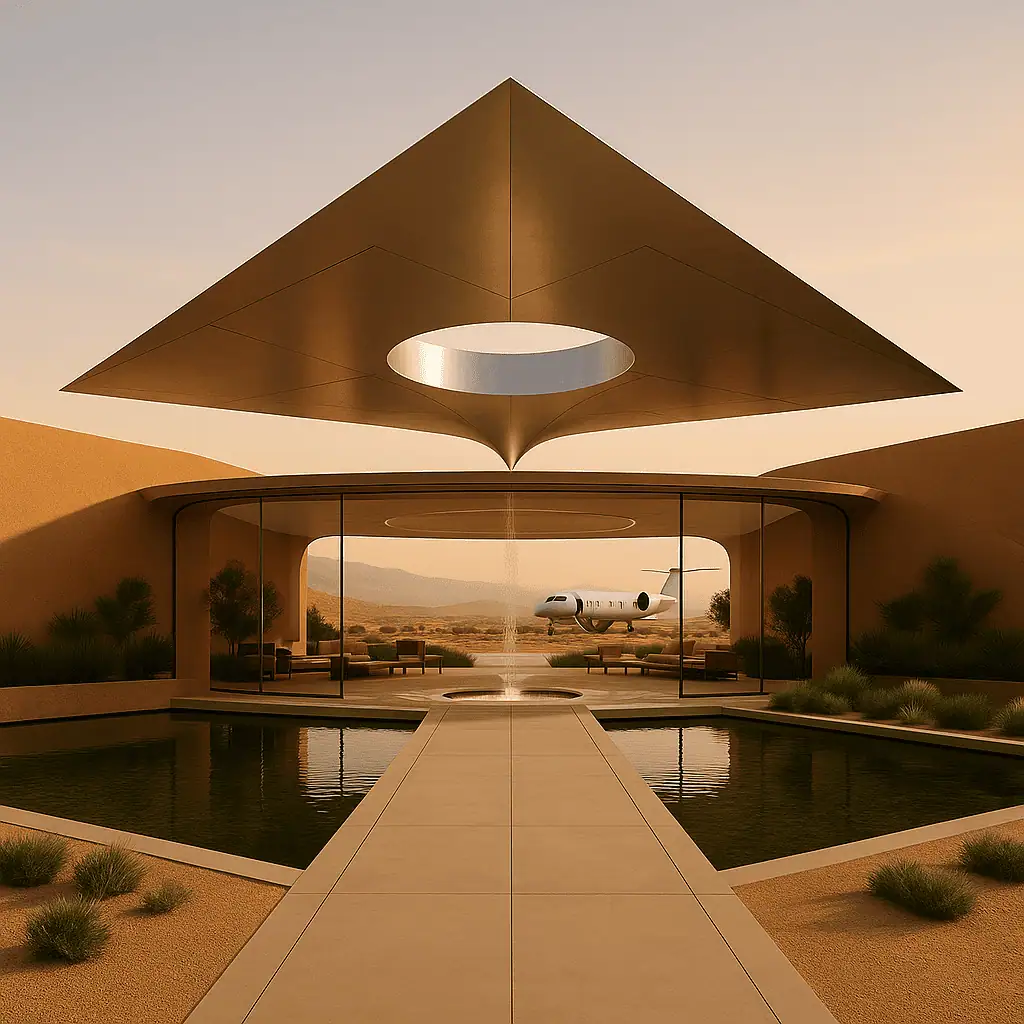
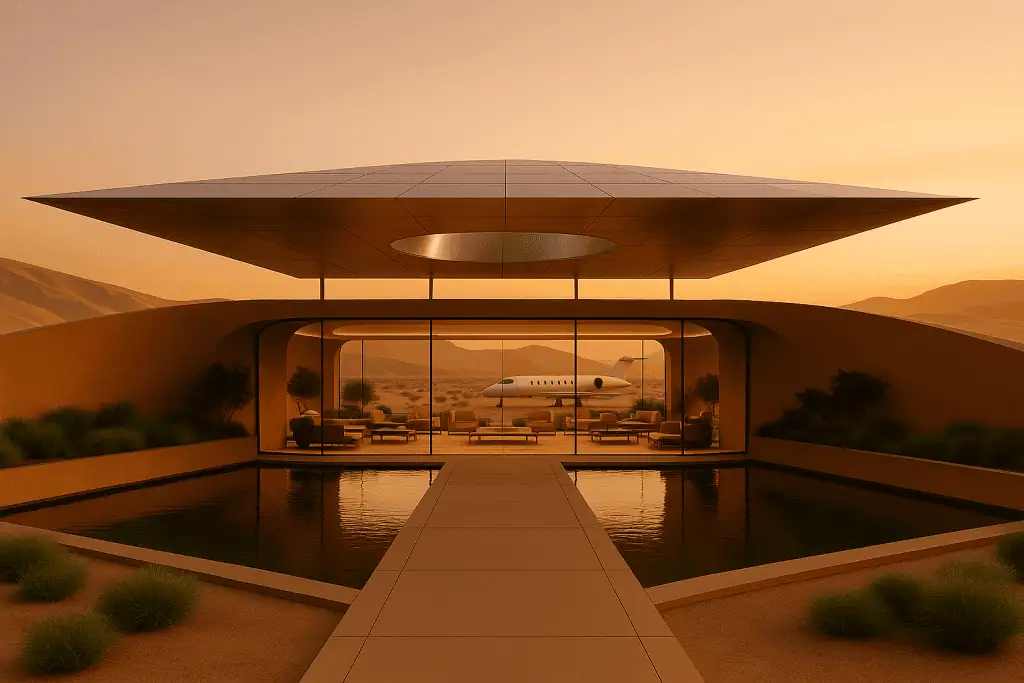
Desert Halo
Designed by Talha Değer – Project Lead, Architect
This concept defined the terminal’s organization through a floating canopy placed atop two primary volumes. Viewed from afar, the form resembled a symbolic ring, giving the structure a bold silhouette while offering shaded, transitional zones below. Integrated photovoltaic panels supported energy generation, and the central open atrium blended landscape and water elements to create a sensorial experience. The design achieved a compelling balance between sustainability and symbolism.
Interior Approach
On Atmosphere, Comfort, and Cultural Connection
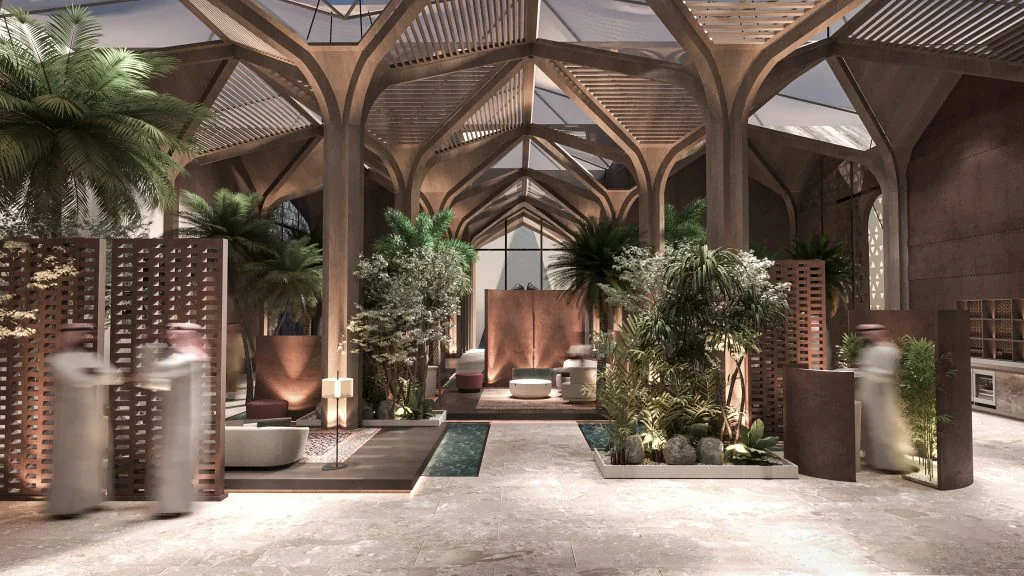
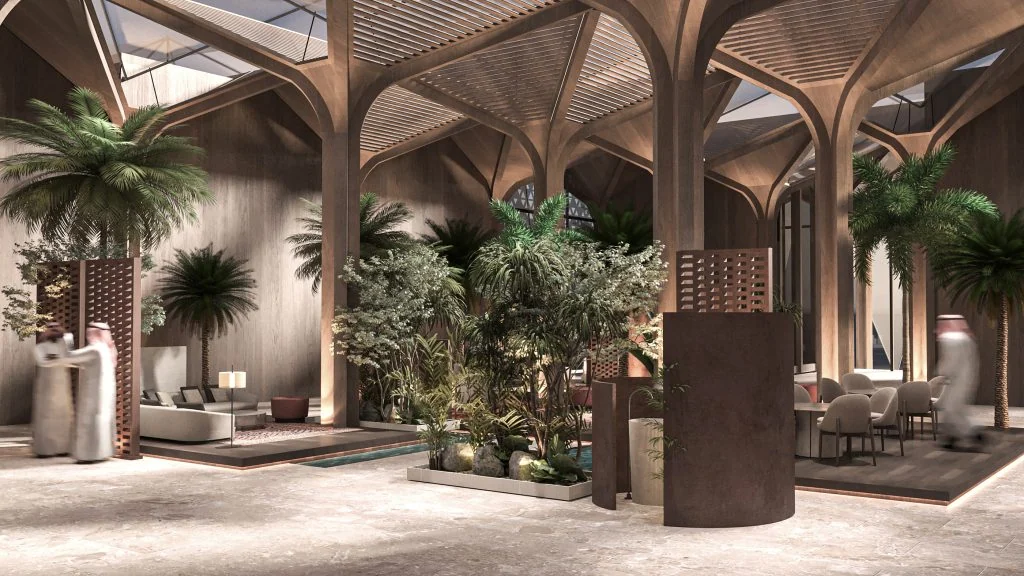
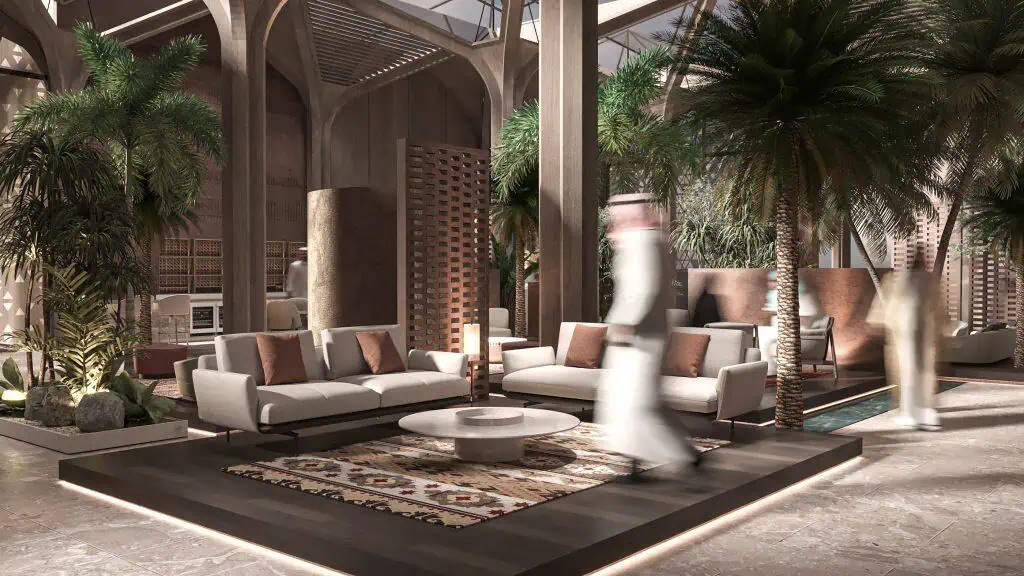
The interior design of NEOM Bay Airport aimed to establish a strong connection between architectural form and emotional experience. The central oasis was not only a spatial anchor but also a sensorial and atmospheric core. The material palette drew inspiration from vernacular references, combining light-filtering timber slats, biophilic greenery, tactile surfaces, and natural stone flooring.
A vaulted timber structure allowed light to cascade gently through the space, enriching it with shadow, reflection, and rhythm. Modular seating islands, water features, and planted zones guided circulation while offering moments of rest—individually or collectively. Traditional carpets, soft lighting transitions, and earth-toned furniture elements created a welcoming interior that brought NEOM’s futuristic vision into conversation with local cultural values.
This interior strategy rendered the terminal not merely as a functional facility, but as a monumental yet intimate, innovative yet familiar place of arrival.
These visionary proposals demonstrate how Avcı Architects’ charrette culture fosters multidimensional, innovative, and context-sensitive approaches to design. The ultimately selected “Oasis” concept emerged as the most holistic and coherent response to NEOM’s technological, cultural, and environmental aspirations.
Throughout the design process, the architectural team acted not only as designers of space, but also as narrators, strategists, and scenario-builders. Concept development, spatial schematics, user journeys, material language, and environmental storytelling all took shape in a collaborative setting where ideas were openly debated and iterated.
NEOM Bay Airport is not just a building — it is a built manifestation of Avcı Architects’ charrette culture and a strong example of how architectural practice can offer meaningful contributions to the future.