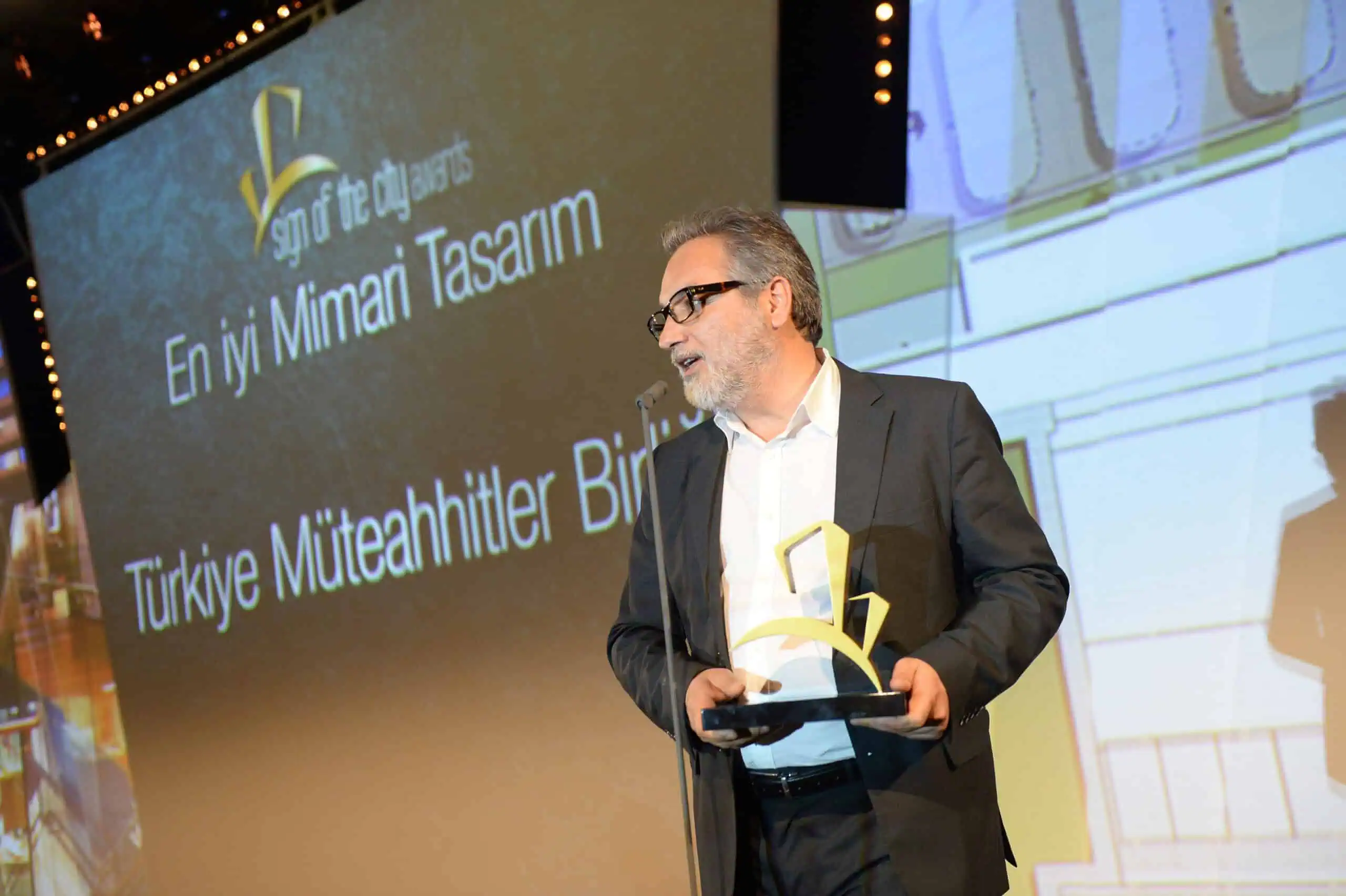
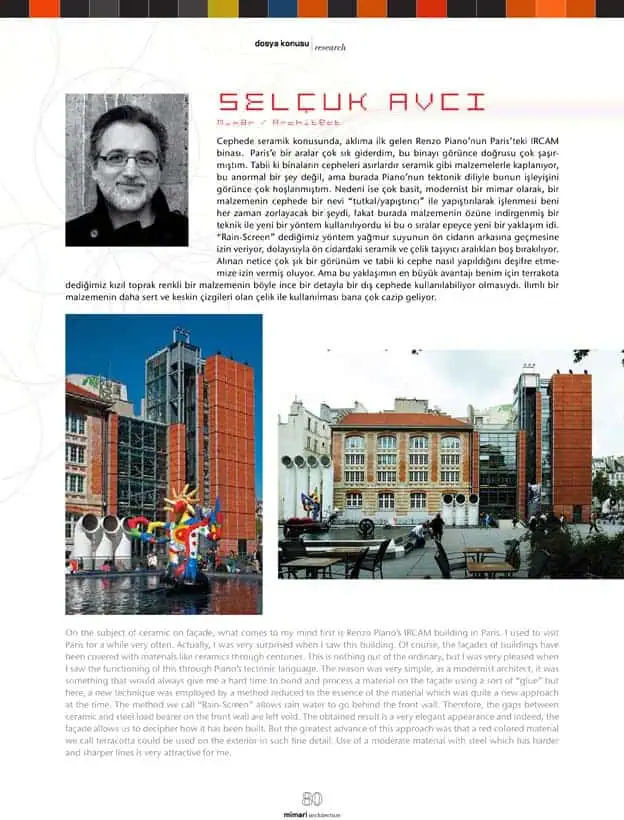
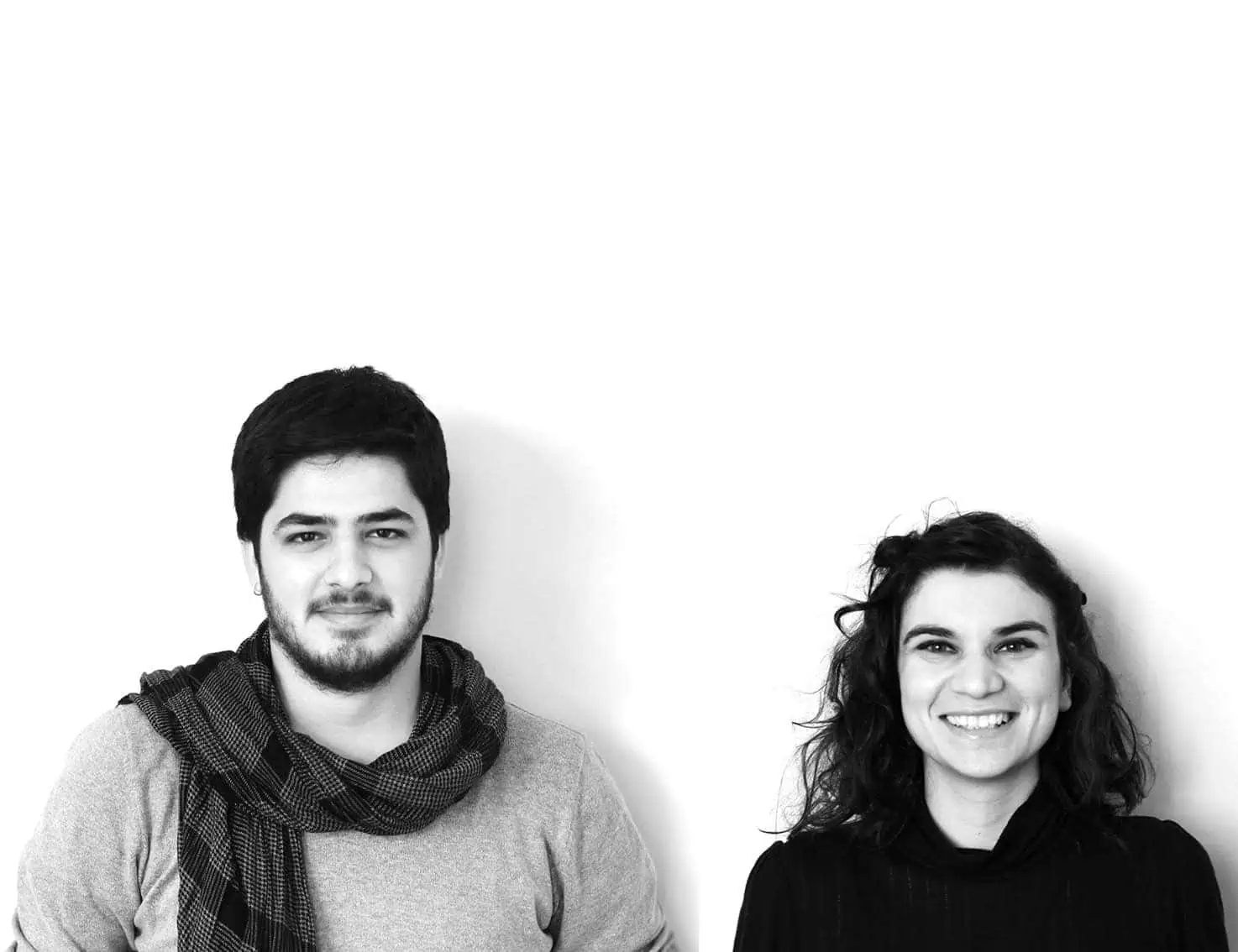
Selçuk Avcı, founder of Avcı Architects—a firm renowned for architectural projects that place green building design at their core—and former Vice Chair of the Board at ÇEDBİK, emphasizes the importance of guiding architectural design with insights drawn from nature in the fight against global warming. His remarks, made on the occasion of Green Buildings Week (September 22–29), highlight the crucial role architects and engineers play in shaping a more sustainable built environment.
Happy Green Buildings Week!
Sep 29, 2014
Sustainability
Happy Green Buildings Week!
(September 22–29, 2014)
Architect Selçuk Avcı
“A ‘green building’ is an architectural concept that learns from nature and traditions!”

Architect Selçuk Avcı, founder of Avcı Architects and former Vice‑Chair of ÇEDBİK’s Board, noted on the occasion of Green Buildings Week (September 22–29) that in the fight against global warming, it’s crucial for architects and engineers to guide building design with insights drawn from nature.
“Most people imagine a green building to be literally covered in plants—or even just painted green. But of course, a green building is none of those things. A true green building learns from nature or emulates it. In fact, traditional architecture did exactly that until quite recently.”
Believing that there are countless lessons to be learned by observing nature closely, Selçuk Avcı cites the remarkable nests of African ants as an example:
“We can look at the mounds built by African ants in climates where temperatures drop to 2 °C at night and rise to 40 °C during the day. These ant nests are constructed to maintain an optimal internal temperature of around 30 °C. Such observations from nature can help shape architectural design and make it more locally responsive.”

In southeastern Turkey, near Harran, inhabitants have lived for centuries in mud‑brick homes, enduring harsh seasons without complex climate control devices—perhaps inspired by nature’s own marvels.

Pointing out that the tradition of learning from nature has gradually been forgotten in Turkey over the centuries, Selçuk Avcı continues:
“Buildings that look exactly the same in places like Mardin and Istanbul were constructed with this very attitude and mindset. Identical reinforced concrete structures that respond to neither environmental nor climatic conditions… There is clearly something wrong here!”

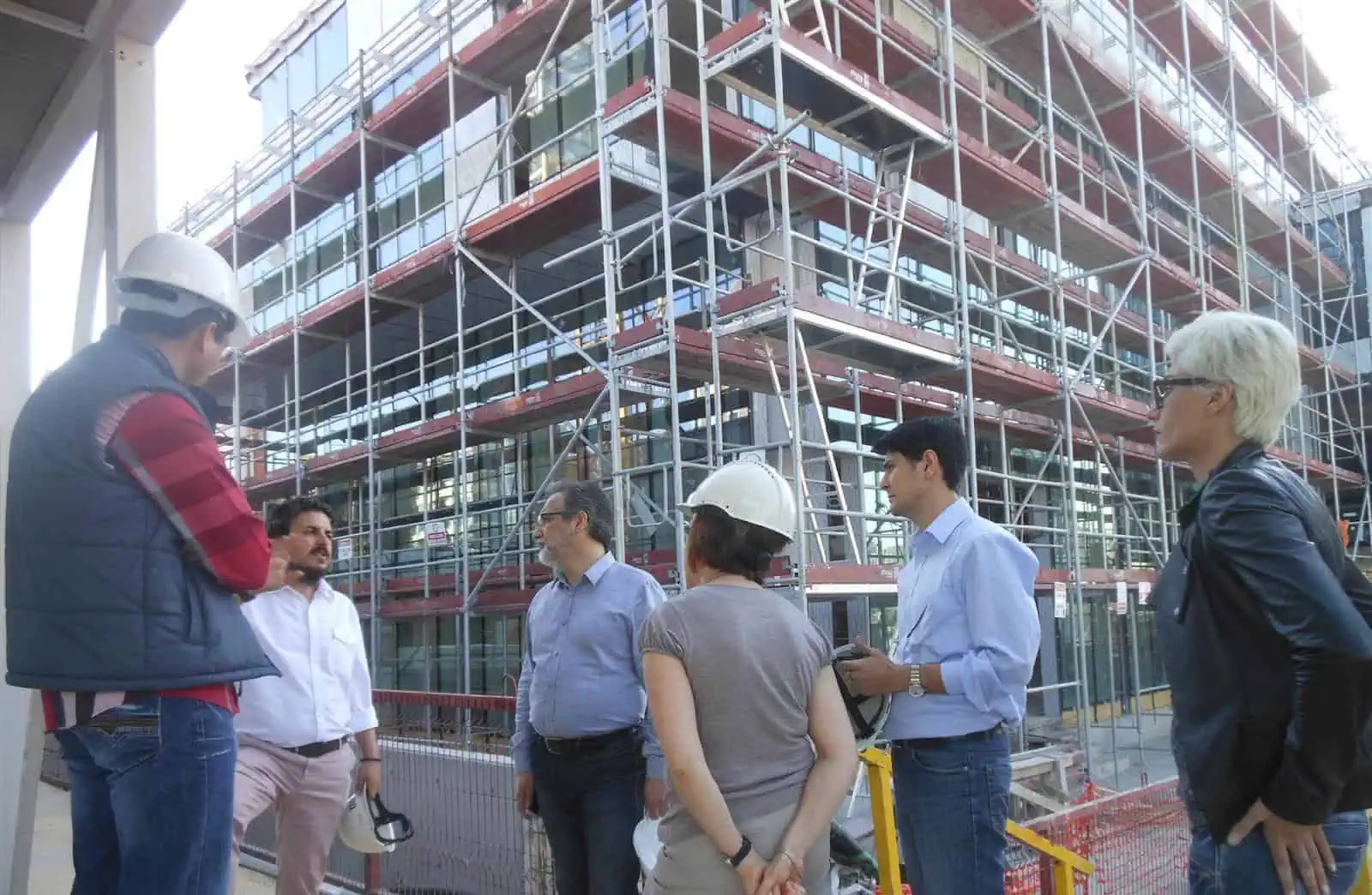
Under the leadership of architect Selçuk Avcı, Avcı Architects often draws inspiration from nature in multiple ways, using climatic and environmental observations to ensure their buildings are deeply rooted in their context. In this regard, the Turkish Contractors Association (TMB) Headquarters in Ankara, designed by Avcı Architects, stands as one of the most prominent examples of how the firm learns from nature—particularly by leveraging local climate conditions to inform and enhance architectural design.

“During the preliminary research for this project, we learned that in Ankara, summer temperatures reach around 35 °C during the day and drop to 15–18 °C at night. So we asked ourselves: why use air conditioning systems that consume expensive fuels and release harmful gases into the atmosphere to produce electricity, when we can cool the building naturally by taking advantage of this temperature difference?
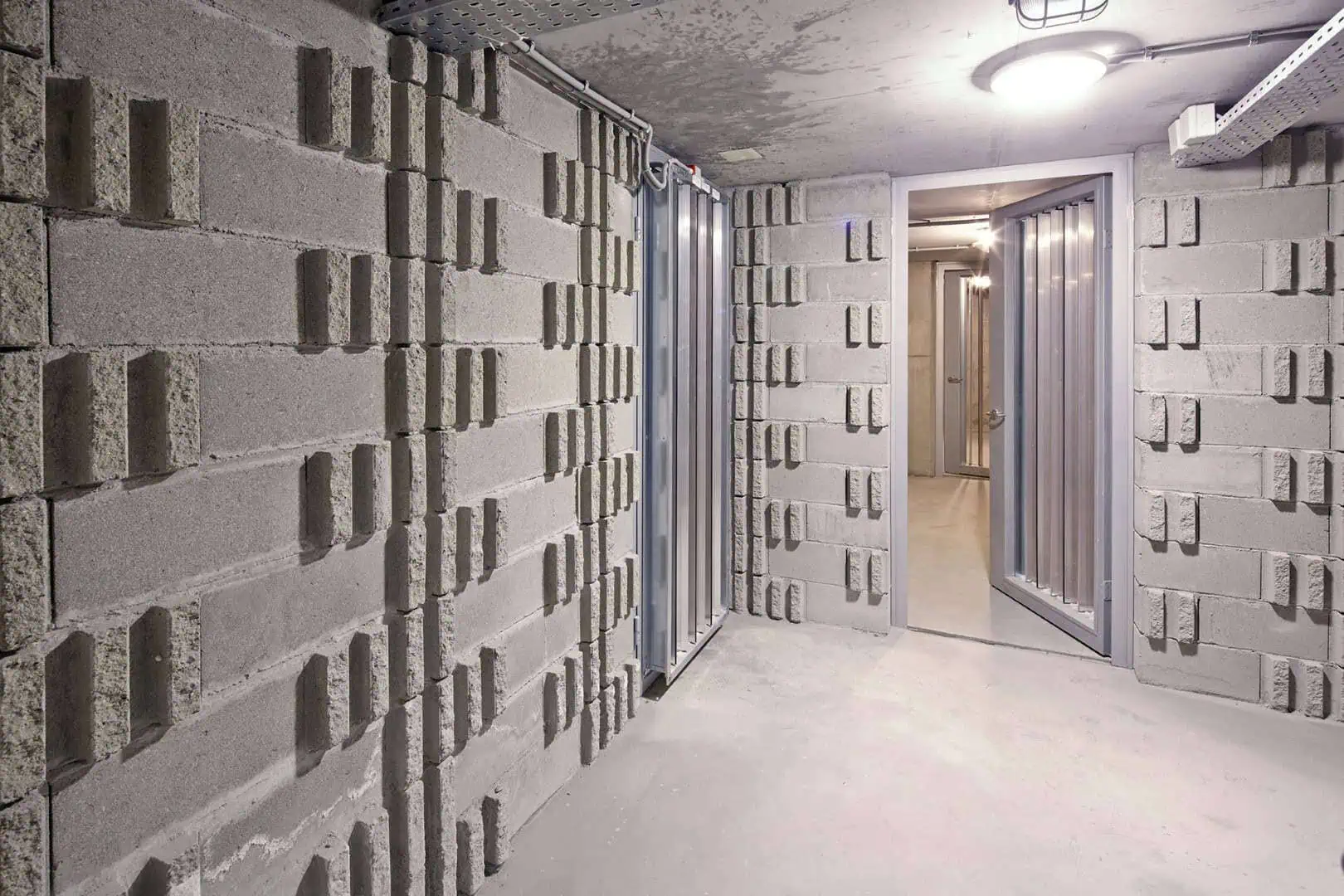
We designed a labyrinth of concrete block channels beneath the parking level to store cool night air. A simple mechanism releases this stored cool air into the building throughout the day, significantly reducing the need for artificial cooling.
In this way, the building—designed with climate sensitivity in mind—actively works to minimize environmental harm while maintaining energy efficiency.”